





Flexibility: an essential lever for the balance of power grids

ENGIE has made flexibility a strategic lever to achieve the energy transition. It is essential to ensure grid stability and maximize the potential of renewable energy in a context of growing demand.
Facing the increasingly visible consequences of climate change, the energy transition must accelerate. Current decarbonization trajectories are steering the planet toward a +2.6°C warming by 2100. Solar and wind energy, whose additional capacity jumped again by 15% in 2024 compared with 2023 according to the World Economic Forum, are radically transforming the global energy landscape. They accounted for 92% of the increase in global electricity generation last year, according to IRENA. This, in turn, requires new flexibility solutions to balance their variable output.
With more renewables, the grid is decarbonizing and electricity generation varies more, both seasonally and throughout the day depending on weather conditions. To accommodate these fluctuations, power system operators must ensure the supply-demand balance by mobilizing different flexibility solutions.
Not one, but many types of supply-side flexibility
Today, most of these solutions are on the supply side (also called production), each with its own specific function.
Batteries are increasingly competitive, as their power capabilities rise and their cost decreases year after year. They can respond to grid requests very quickly (within seconds) and several times during the same day. This makes them a preferred tool for intra-day balancing.
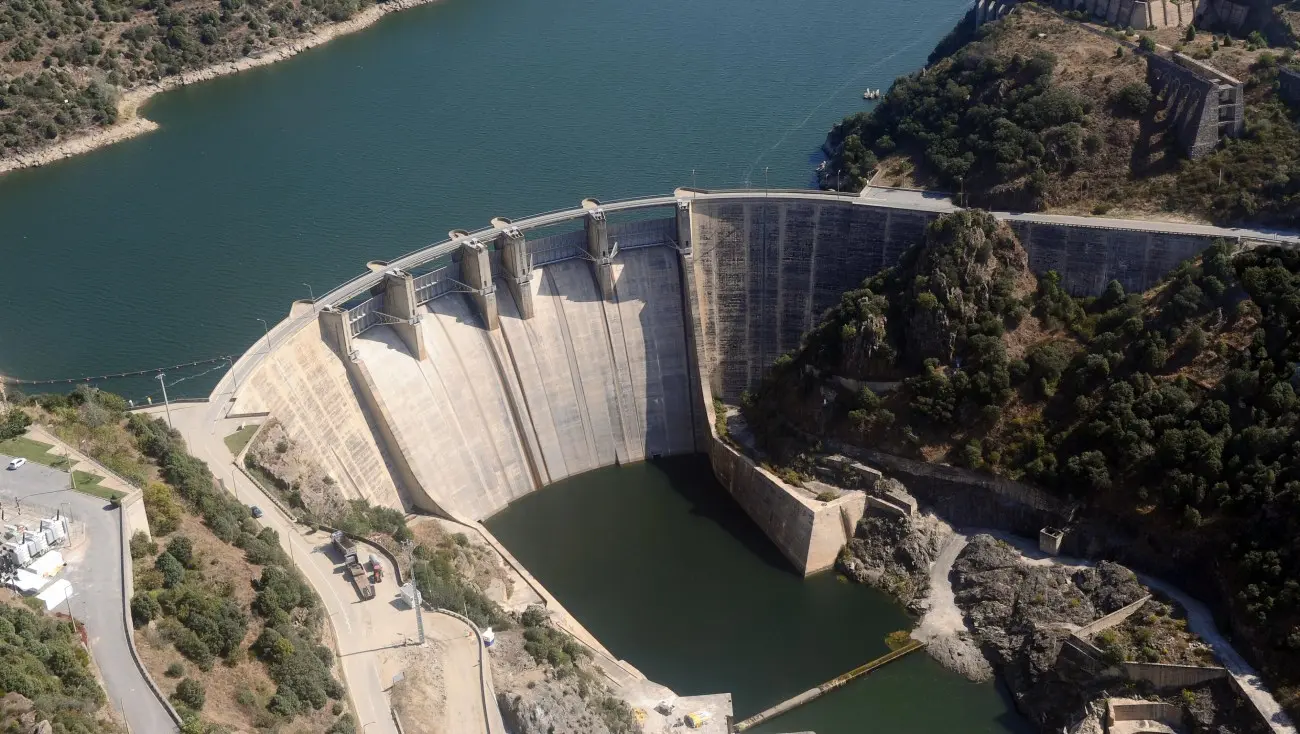
Pumped-storage power plants (PSH), a technology in use for more than a century, stores energy by moving water between two reservoirs of different elevations. They store water in the upper reservoir when demand is low, and release it to the lower reservoir to produce electricity when demand is high. They can be activated in just a few minutes.
Thermal power plants can also deliver high power output and are essential to meet seasonal peaks. ENGIE operates combined-cycle and open-cycle gas turbines to maintain dispatchable power capacity, while continuing to reduce their environmental impact (performance improvements and decarbonization with the introduction of renewable gases).
Flexibility also comes from the demand side
Production flexibility is not the only solution. Demand can also adjust to fluctuations in electricity generation.
ENGIE offers industrial and commercial consumers opportunities to monetize their flexibility — whether through demand response or consumption shifting. Rising electricity prices have increased interest in flexibility services, which now form part of broader energy-efficiency approaches.
On the residential side, new services allow households to control equipment, which saves money while contributing to grid balancing.
According to ENGIE’s European decarbonization scenario, by 2050, demand-side flexibility will be twice as significant as supply-side flexibility.
A priority for ENGIE
Convinced of the strategic role of flexibility, ENGIE has 5.6 gigawatts (GW) of BESS (battery energy storage systems, 2.8 in operation and 2.8 under construction) along with 4 GW of pumped-storage and 45 GW of dispatchable thermal power plants. And to prepare for the future, the Group aims to install 95 GW of renewable and storage capacity worldwide by 2030. At ENGIE, the flexibility of tomorrow is being built today!
Renewable hydrogen: storage as a flexibility tool
Renewable hydrogen is produced from water and renewable energy sources such as wind or solar. In addition to its key role in decarbonizing specific sectors (industry, heavy mobility), hydrogen is also a means of storing electricity and thus offsetting renewable variability. Its use as a fuel in combined-cycle power plants, expected to expand in the next decade, will complement current flexibility tools to manage demand spikes from intra-day to seasonal needs.

Our references:

How ENGIE combines renewables and batteries in Chile
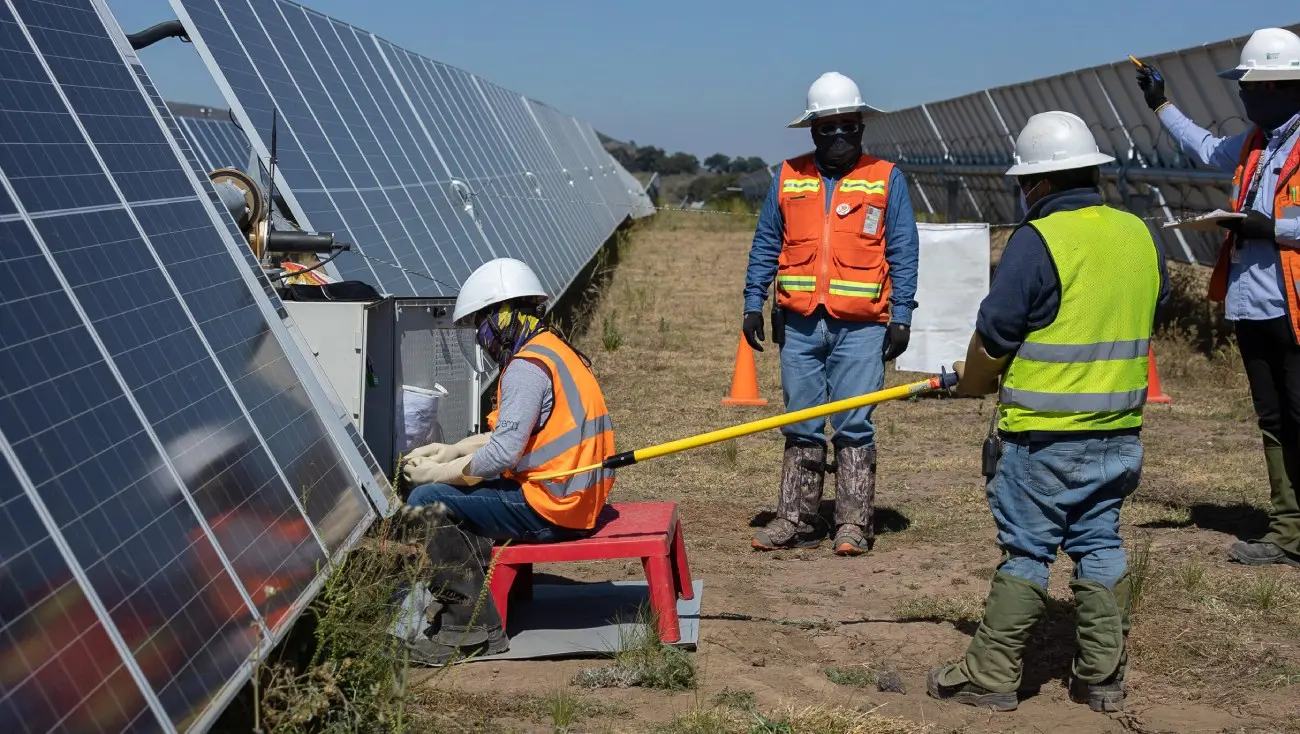
In northern Chile, the Group has commissioned two battery storage systems to fully leverage the Coya and Tamaya solar farms. Just like Sun Valley, Chillingham and Five Wells, all located in Texas, these sites are the Group’s showcase for co-located battery storage with renewable assets. These projects contribute to the Group’s goal of installing 95 GW of renewable and storage capacity by 2030.

Grid flexibility: how consumers can contribute?
Shifting when you charge your EV, run the washer, or heat your water tank: through these simple daily actions, everyone can shift part of their energy use, ease pressure on the power system, and support the use of decarbonized electricity… while also lowering their bill.
What do you want to do?