





Our responsible procurement
At ENGIE, responsible procurement means integrating Environmental, Social and Governance (ESG) criteria into supplier selection and monitoring. These criteria complement cost, quality, safety and operational performance requirements.
For the most significant calls for tenders, ESG performance can account for around 15% of the supplier evaluation.
An approach based on three ESG pillars
Environment
Depending on the nature of the contract, procurement criteria may cover CO₂ emissions, resource use, reuse, recycling, water or biodiversity. ENGIE may also ask suppliers to provide data, assessments or solutions tailored to the specific purchase.
Social
Procurement takes into account respect for human rights, the health and safety of people working throughout the value chain, as well as workforce inclusion. These requirements may be incorporated into calls for tenders, contracts, supplier assessments and audits.
Governance
Procurement practices are governed by rules covering business ethics, anti-corruption, compliance and transparency in supplier relationships.
In 2025, ENGIE’s Procurement function was recognized as a “CDP Supplier Engagement Leader” for the third consecutive year. This distinction recognizes companies for their engagement with suppliers on climate-related issues.
How does ENGIE select and assess its suppliers?
Depending on the nature and risk level of a purchase, ENGIE may incorporate ESG criteria into the call for tenders, request a third-party assessment or conduct a social and ethical audit of the supplier.
The Group may, for example, request an EcoVadis assessment covering environmental issues, ethics, human rights and sustainable procurement. Around 900 strategic suppliers participate in an assessment of their carbon maturity.
The Procurement function also includes around 1,100 employees trained in ethical supplier relationships and due diligence in procurement processes.
Concrete initiatives with suppliers
Wind turbine foundations in France’s Grand Est region
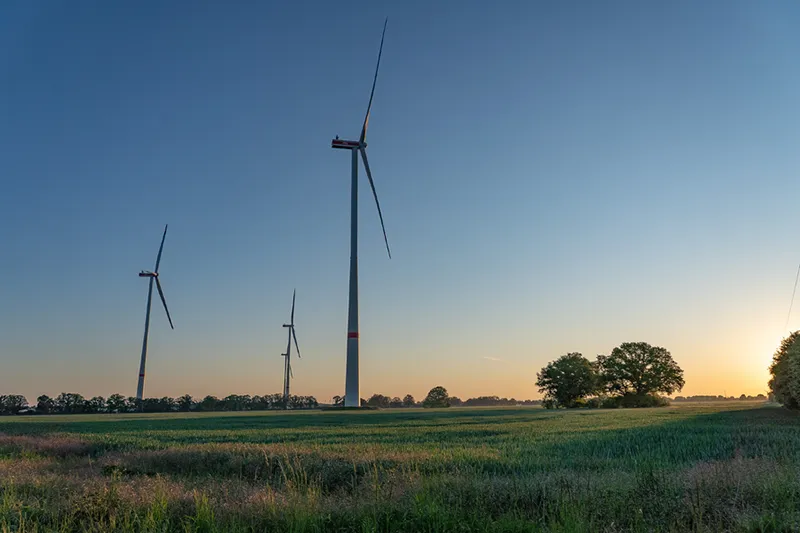
In Eastern France, ENGIE’s procurement teams worked with Hoffmann on concrete for wind turbine foundations. The solution proposed by the Procurement teams is certified, insurable and comes at no additional cost. It is expected to reduce CO₂ emissions by more than 40%.
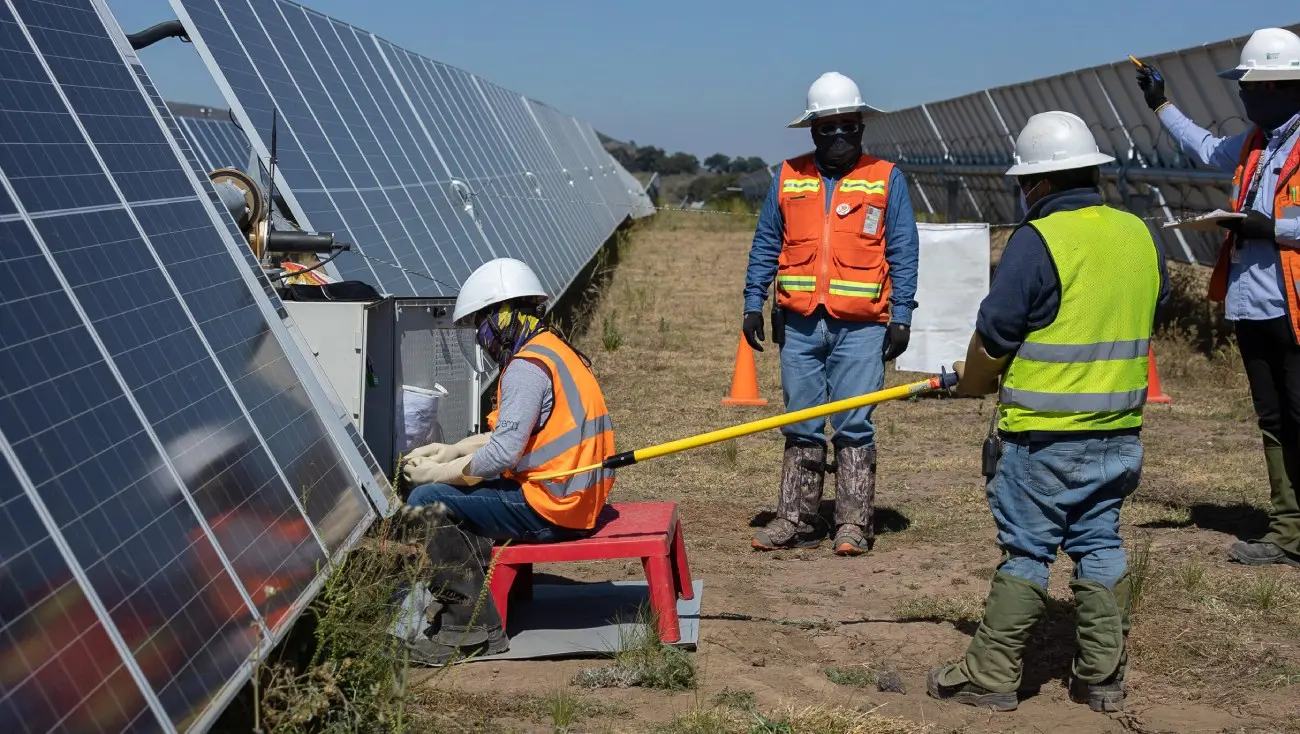
In another example, ENGIE and its supplier Nextpower (formerly Nextracker) reduced the carbon footprint of solar trackers by using green steel produced with electric arc furnaces and recycled steel. CO₂ emissions are estimated to have fallen by 35%.
Reuse, recycling and reduced packaging
Other initiatives are being implemented with suppliers depending on the activities concerned:
- reusing boilers from power plants or buildings;
- recycling pumps and circulators;
- using bio-based products to maintain district heating networks;
- collecting used workwear;
- delivering certain parts without packaging.
Local sourcing for biomass
In France, some biomass heating plant projects rely on locally sourced supplies. At the auto manufacturing Stellantis site in Rennes, the wood chips used come mainly from areas located within 150 km of the site.
Developing inclusive procurement
ENGIE is expanding its procurement from companies employing people with disabilities (STPA) or supporting workforce integration (SIAE). In France, the amount spent with these suppliers more than doubled between 2022 and 2025. By the end of 2025, 14 countries* had established an action plan dedicated to inclusive procurement.
(*) France, United States, Australia, South Africa, Mexico, Brazil, Chile, Romania, Spain, Portugal, Italy, Saudi Arabia, the Netherlands and the United Arab Emirates.
A concrete partnership to train and recruit
As part of the catering contract for its new headquarters in France, ENGIE is working with Arpège, an Elior Group company, and training organization Afuté. An inclusion clause requires the service provider to welcome, train and recruit young people with intellectual and cognitive disabilities.
ENGIE initiated the program. Arpège welcomes the young people into its teams and trains them for careers in the food service industry. Afuté prepares and supports them throughout their journey toward employment. The program provides training for six young people per year over five years, with the goal of offering permanent employment contracts to at least 50% of them upon completion of their training.
Managing supplier relationships
Supplier relationships are governed by several reference documents:
- ENGIE Procurement Charter
- General Terms and Conditions of Purchase (PDF – 289 Ko)
- Code of Conduct in Supplier Relations
- Human Rights Vigilance Policy (PDF – 241 Ko)
- Universal Registration Document (2025)
These documents define the rules applicable to procurement, expectations for suppliers, and measures designed to prevent compliance and corruption risks.
Universal Registration Documents 2025
07.03.2026 – 13.9 Mo
Find instantly answers to your questions
What do you want to do?