

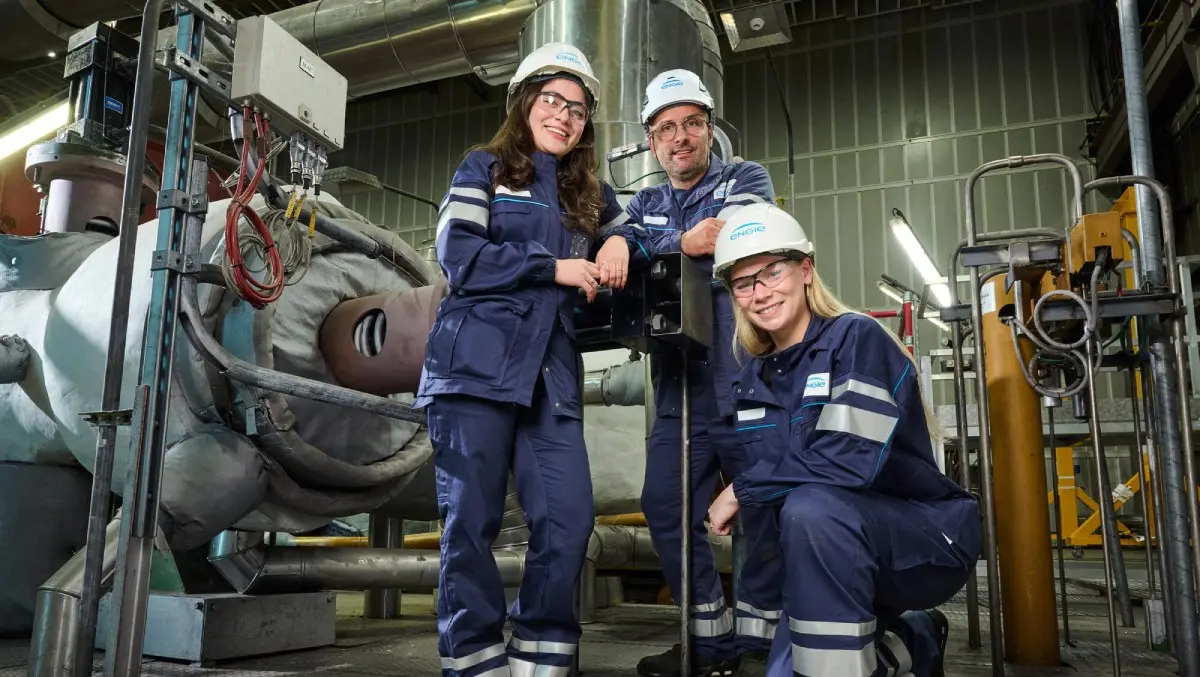



6 questions to better understand the place of women in energy
What if the energy transition and gender equality were actually part of the same fight? More sensitive to the effects of climate change, women are also front-line players in the fight against global warming and are behind many climate initiatives. At ENGIE, we are convinced that the success of the energy transition depends on greater diversity in the whole sector and within our workforce, at every level in the Group.

According to Catherine MacGregor, CEO of ENGIE, “professional equality between women and men is strategic for our Group, and indeed for all companies, whatever their business.”
1. Why are women at the heart of the fight against climate change?
Women are the first victims of climate change and account for almost 80% of climate refugees. This is because a very large majority of women in developing countries depend on local natural resources for food. These women, who are responsible for fetching water and for collecting cooking and heating fuel, also ensure their community’s subsistence by growing fruit, vegetables and grains, and by raising livestock for personal consumption. They therefore bear the full force of drought, flooding and extreme climate events caused by global warming. According to the United Nations, women in Mediterranean countries, western Asia, many parts of South America, Africa, and northeast Asia, are particularly exposed.
2. What role do women play in the decision-making authorities regulating climate and energy transition issues?
Although they are harder hit by the consequences of climate change, women are less well represented in the decision-making bodies working to fight climate change. Of course, equality is getting closer. While men accounted for an average of 88% of delegations at the first COP, the average delegation present at COP26 was made up of 65% men and 35% women*. When it comes to governments, however, only 12% are led by women, while the proportion of women in national parliaments stands at 25.5%**.
3. And in the energy sector?
The energy sector is at the forefront of the fight against climate change. Still being predominantly dependent on fossil energy sources – with highly contrasting situations from one region to another – the sector is currently the largest emitter of CO2. It must step up the transition to renewable energy to decarbonise heat, cooling and power generation. A captivating challenge that could create up to 42 million jobs worldwide by 2050 according to the 2020 report by Irena (International Renewable Energy Agency). However, the sector lacks diversity with just 27.2% women in electricity and gas industries in France. One of the reasons behind this lack of diversity is that, generally speaking, fewer women choose the scientific and technical disciplines that provide training for the key energy professions, as revealed by statistics from the International Labour Organization.
See key figures regarding the role of women in science, energy… and at ENGIE!

4. In what way could Renewables be the game changer?
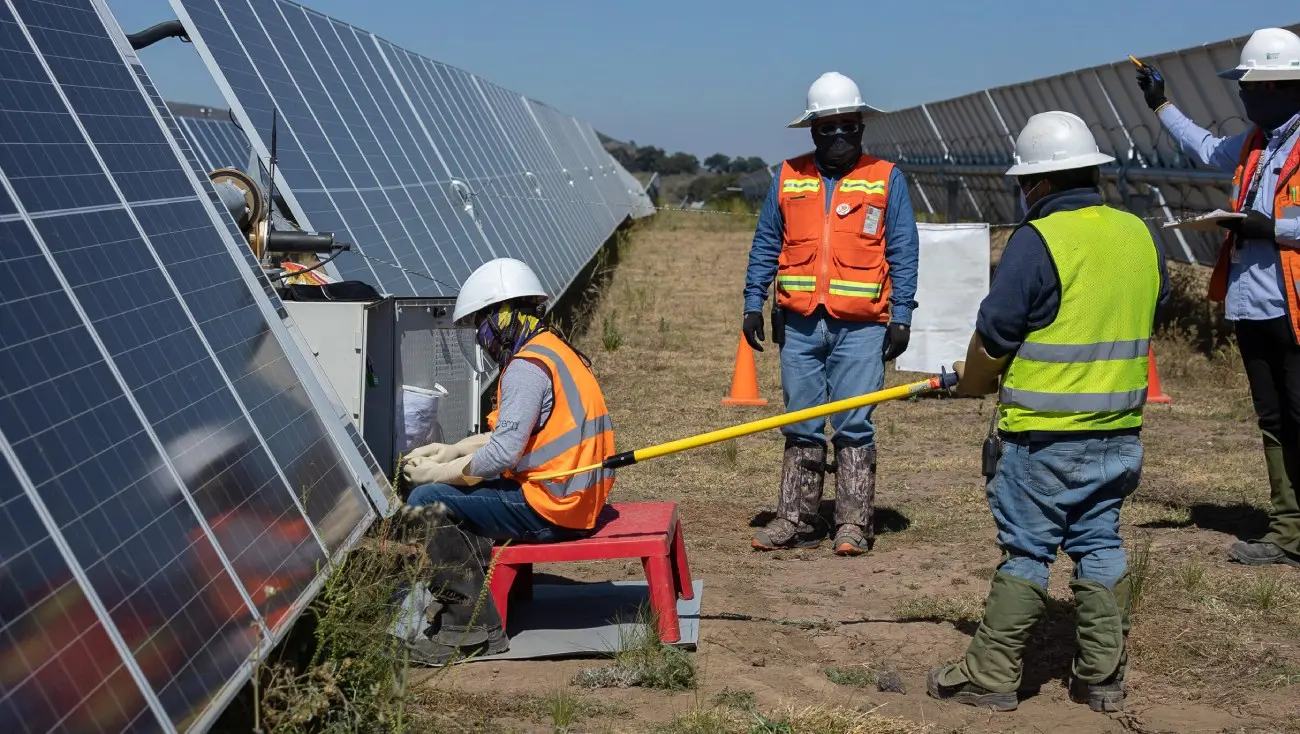
The energy transition must help to accelerate not only the rise of renewables, but also the role of women in the sector. Future recruitment will be crucial! In its report “Renewable Energy: A Gender Perspective” published in 2019, Irena stated that: “A large proportion of the skills required to benefit [from the exceptional opportunities provided by renewable energy] can be developed locally, and women are in an ideal position to take the reins and provide these off-grid solutions.” And in its 2020 report, the agency pointed out that “employment is more inclusive in the renewable energy sector than in the fossil fuel sector and has better gender balance [with] 32% women in the renewables workforce, compared to 21% in fossil fuels.”
5. What is ENGIE doing to increase the number of women in its workforce?
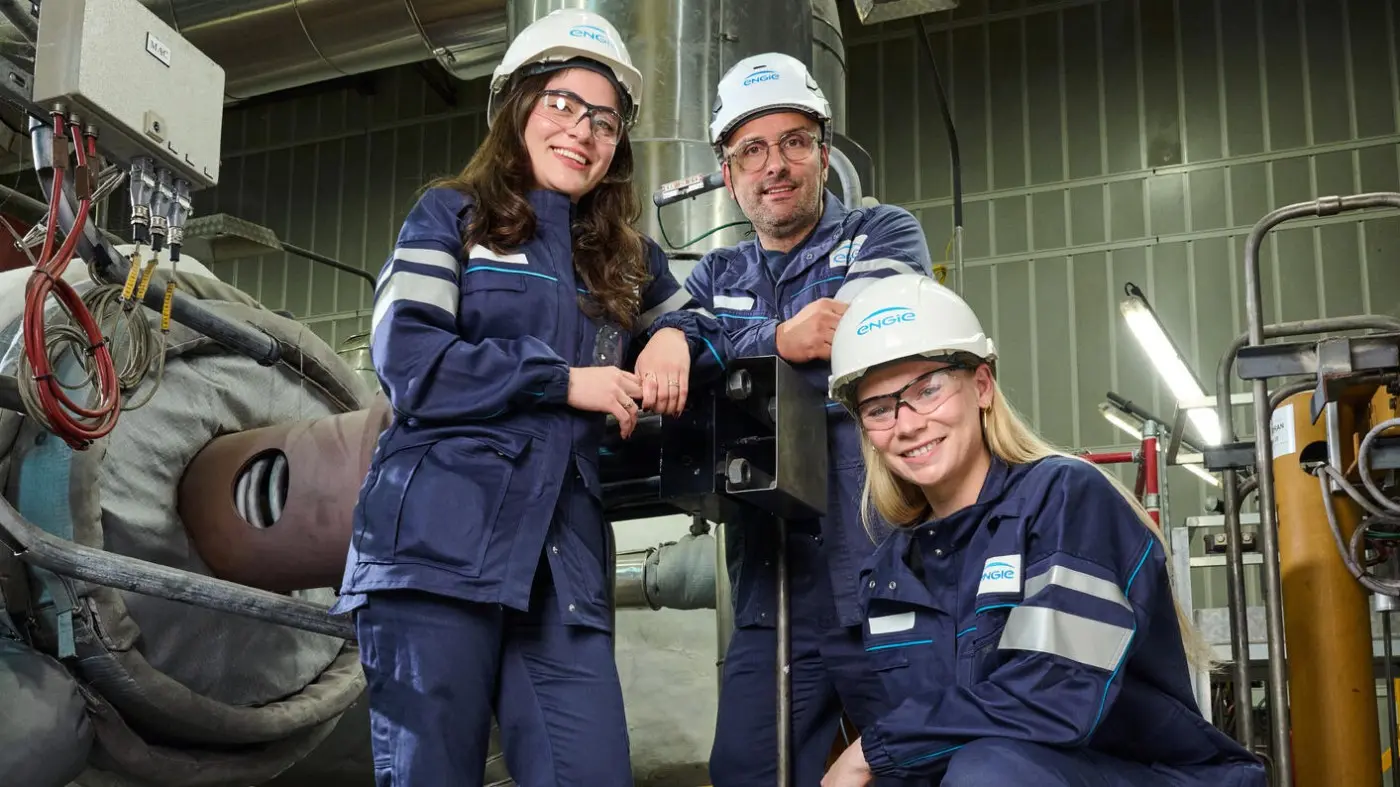
Improving gender balance starts with fighting gender stereotypes and cognitive bias. How? By training employees to recognise their own bias. Wording is also important – a job description can convey stereotypes! Companies must also adopt more active efforts to find female talent. Even though talent pools in our sector are still scarce: by communicating job offers to women’s networks, and by organising special events for women and partnership programmes with schools and universities… The third driver is educational: by raising awareness among secondary school pupils of the jobs they may aspire to, companies can help change perspectives and encourage young women to choose scientific and technical disciplines.
Meet women who are changing the world at ENGIE
6. Some practical examples?
At ENGIE, we adopt a very practical and conscious approach to professional equality.
- Our Group-wide Fifty-Fifty programme aims not only to achieve managerial parity by 2030 but also to strengthen our deep-seated approach to inclusion in our managerial practices over the long term.
- 400 ENGIE technician ambassadors raise awareness among young people – particularly young women! – of scientific and technical roles in the energy sector, by visiting schools in Italy, Belgium and France.
- In Brazil, ENGIE was awarded EDGE Assess certification for gender equality. ENGIE is one of eight Brazilian organisations to have obtained this certification, and was the first company in the energy sector to receive it. EDGE is the world’s leading assessment and certification of gender equality in the workplace. Certification is based on a rigorous assessment of pay equity, effectiveness of policies and practices, and inclusiveness of the company’s culture. During the certification process, EDGE highlighted ENGIE Brazil’s commitment to improving pay equity and enhancing access to training, mentoring and flexible working for female managers.
- Our book “Les Digitales” highlights women’s essential role in the digital transformation, by showcasing profiles of women – digital pioneers and ENGIE employees – who are committed to a more inclusive digital sector. The aim is to encourage young women to engage in STEM (science, technology, engineering and mathematics) disciplines! With a preface by Aurélie Jean, a doctor of science, an entrepreneur and a member of the ENGIE Foundation, and illustrations by Fabienne Legrand. Published by Le Cherche Midi, the book is available in book shops and online.
- The ENGIE Foundation sponsors the film Woman, released in March 2020, and supports Denis Mukwege (Nobel Peace Prize winner who helps women victims of sexual violence in the Democratic Republic of the Congo). The aim is to fight violence against women, a cause to which ENGIE is highly committed through our campaigns to raise awareness and our partnerships with charitable organisations. Find out more here.
Find instantly answers to your questions
What do you want to do?