




Spotlight on ENGIE’s activities in Brazil
Since last Monday, the city of Belém in Brazil has been hosting COP 30. This is an opportunity to take a closer look at ENGIE’s activities and projects in this vast country, which aims to play a leading role in the energy transition.
Key figures
|
ENGIE, a leader in the energy transition in Brazil
A review of the Group’s strengths and opportunities in a country where around 90% of the electricity mix comes from renewable sources.
What is ENGIE’s position in Brazil?
ENGIE is one of the main private players in the Brazilian energy sector and one of the country’s largest renewable energy generators. Over the past three years, ENGIE Brazil has invested more than 3 billion euros in electricity generation and transmission.
ENGIE operates in over 20 states and 250 municipalities. The Group supplies energy to over 4,500 business customers across the country.
At COP 30, ENGIE was recognized by the Brazilian Stock Exchange (B3) as one of the 30 highlighted companies included in the country’s three main ESG indices: ISE B3 (Sustainability), ICO2 B3 (Carbon Efficiency) and IDIVERSA B3 (Diversity).
ENGIE Brazil is also one of five companies to have been continuously included in the Corporate Sustainability Index (ISE) since its creation in 2005.
What are the Group’s activities?
ENGIE operates in Brazil a diversified portfolio of 13.7 GW of installed capacity:
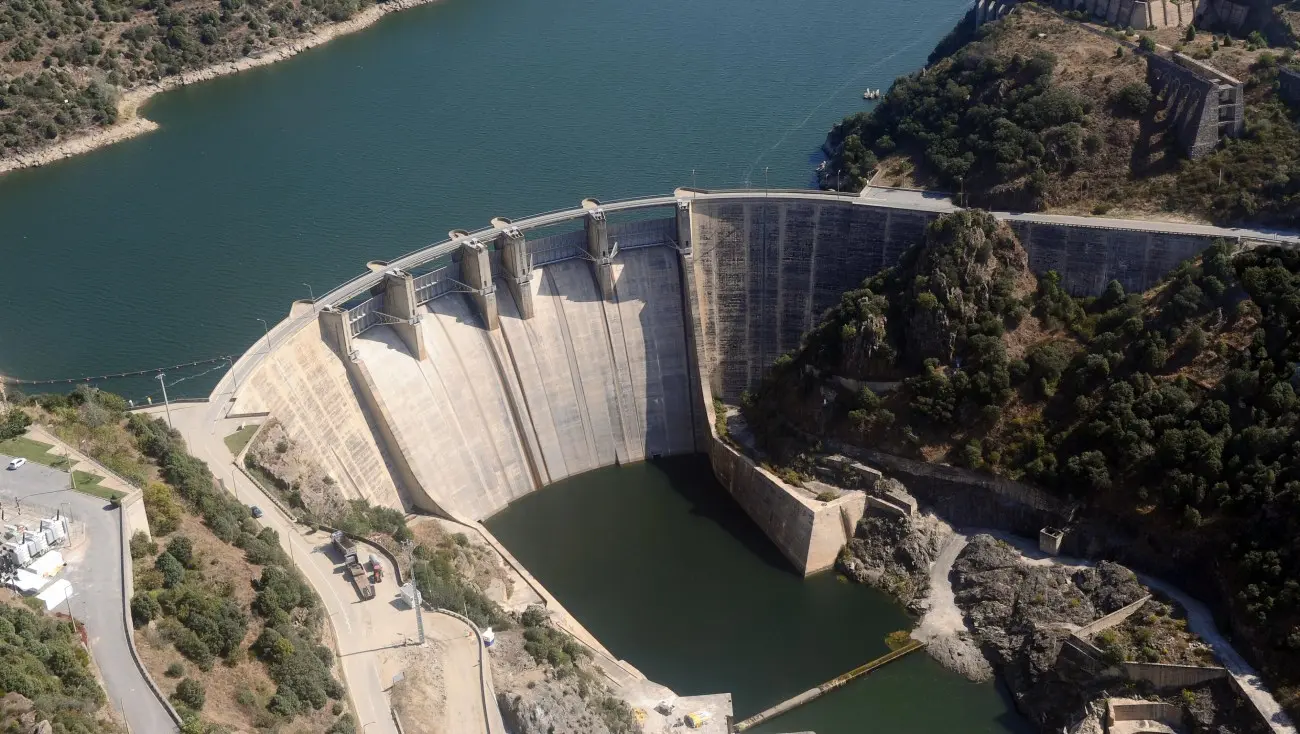
- 14 hydropower plants (10 GW total)
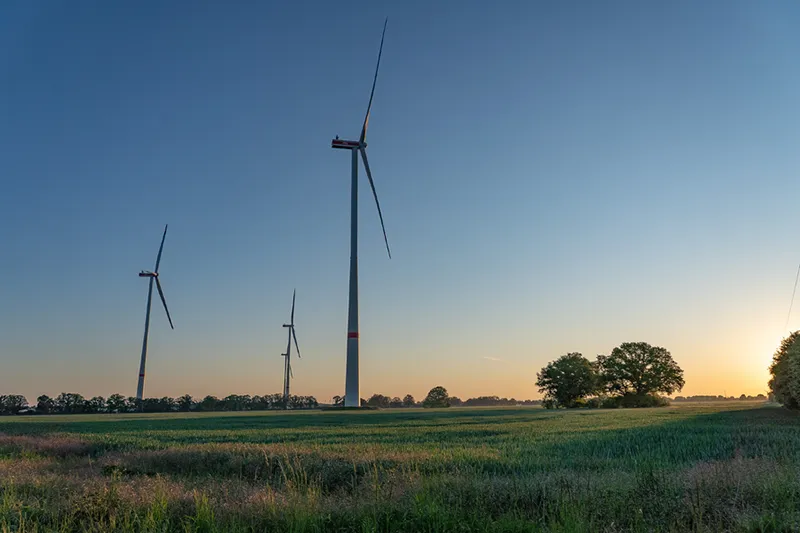
- 7 wind farms (2.4 GW)
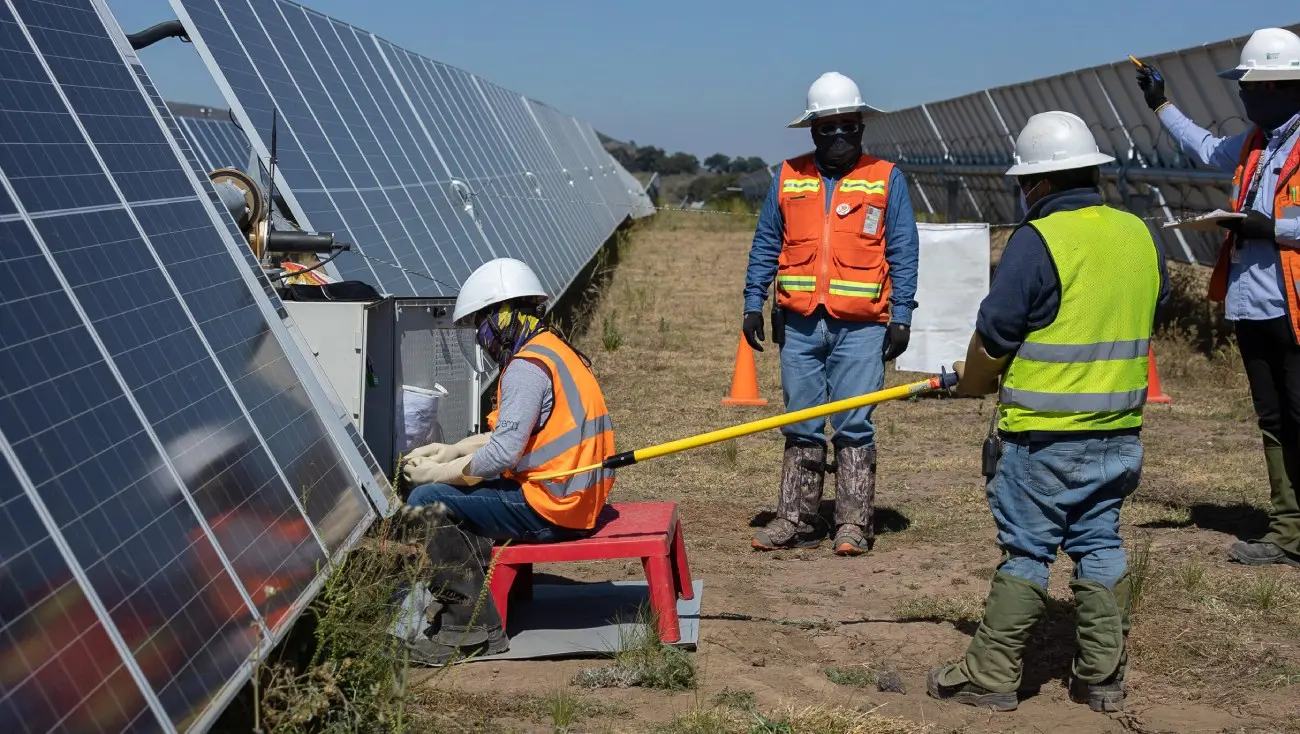
- 10 photovoltaic complexes
- 1 biomass plant
Why is Brazil a priority country for ENGIE?
Brazil is both a strategic market and an innovation hub that inspires the rest of ENGIE’s geographies. For example, the Group develops electricity transmission lines, an activity also carried out in Peru and Chile, with plans to expand further globally. ENGIE Brazil already operates 2,800 km of transmission lines.
Through TAG, its 50%-owned subsidiary, the Group also operates Brazil’s largest natural gas transmission network — more than 4,600 km.

What makes this market unique?
Operating in Brazil brings exceptional opportunities and major challenges.
Building solar and wind complexes, or electricity transmission lines in very remote areas, sometimes accessible only by dirt tracks or barges, is anything but simple.

Our in-depth knowledge of the country, built over 28 years, gives us a real competitive advantage.
Eduardo Sattamini
ENGIE Brazil Country Manager
Why is it so important to expand electricity and gas networks?
Electricity produced in resource-rich regions (where wind and sun are particularly abundant, such as in the Northeast) must be able to reach consumption centers, mainly located in the Southeast.
On the gas side, ENGIE works with TAG to ensure the safety and efficiency of natural gas transportation. With 4,600 km of pipelines, TAG strengthens the country’s energy infrastructure while preparing for the growth of renewable gases such as biomethane and green hydrogen.
ENGIE will invest around 875 million euros in TAG between now and 2029.
What are ENGIE’s strategic priorities for the next five years?
They are fully aligned with the Group’s ambition to accelerate the energy transition:
- Continue developing the renewable energy portfolio
- Expand electricity and gas transmission networks
- Modernize existing assets to boost their efficiency and resilience
ENGIE also supports its clients and suppliers in decarbonizing their operations.
For example, ENGIE’s Supplier Decarbonization Program aims to map greenhouse gas emissions and set science-based reduction targets. The initiative has been recognized by the UN Global Compact.

For more information:
Three flagship projects

© ENGIE / Lanes Jair
Gralha Azul: ENGIE’s first electricity transmission concession in Brazil
Built between 2019 and 2023 in the state of Paraná, the Gralha Azul project is a benchmark in sustainable infrastructure, with a minimized environmental footprint. Its 909 km of lines — designed to strengthen southern Brazil’s power system — were recognized as a sustainable business case during COP 30 in Belém.

© ENGIE / Lanes Jair
Novo Estado: 1,800 km of electric transmission lines
Acquired in 2019, the Novo Estado concession covers the states of Pará and Tocantins, in northern Brazil. This 30-year concession (build and operate) includes 1,800 km of lines crossing 24 municipalities.


© ENGIE / Felipe Negreiros de Bretas Freitas
Assú Sol
The Assú Sol photovoltaic complex — an ENGIE investment in the state of Rio Grande do Norte — began operating earlier this year. It includes 16 solar parks, whose production is fully allocated to Brazil’s free electricity market.

Find instantly answers to your questions
What do you want to do?