





Promoting diversity, equity and inclusion
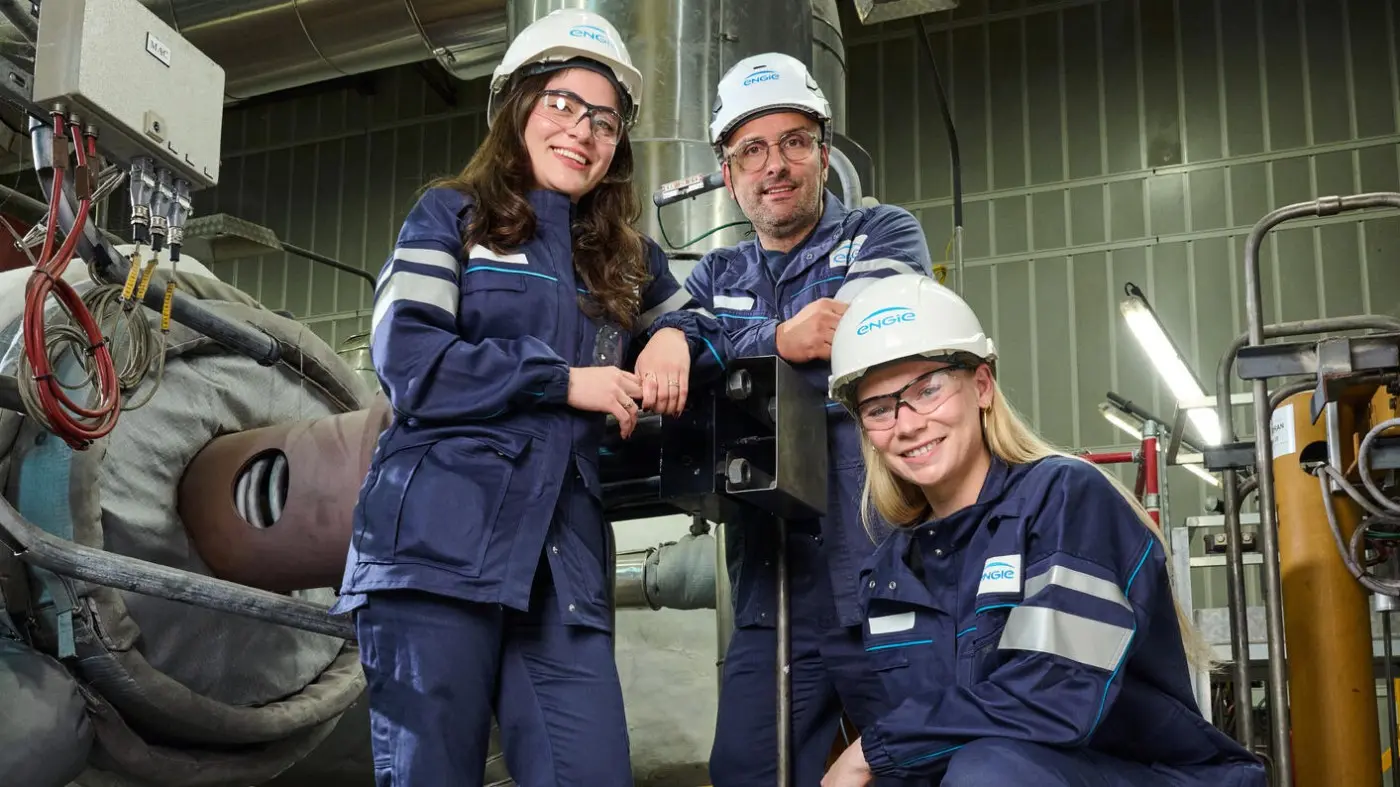
Diversity, equity and inclusion are at the heart of ENGIE’s corporate culture. We are convinced that the energy transition cannot succeed without mobilizing all talents, and we are committed to creating an environment where everyone can thrive, be respected and fully contribute to collective success Our ambition is to make ENGIE a workplace where difference is a strength, equity is a requirement and inclusion is a daily reality.
What are equity, diversity and inclusion (EDI)?
The principles of equity, diversity and inclusion aim to ensure fair access to opportunities and to create a safe working environment where every employee is respected and able to reach their full potential. Our ambition is structured around five priority areas: gender equality, inclusion of people with disabilities, diversity of backgrounds, combating discrimination against LGBTQ+ employees, and generational diversity.
Key targets for 2030

Gender equality: the Fifty-Fifty programme
Launched in 2020, the Fifty-Fifty programme is our roadmap to accelerate gender balance, particularly in technical and scientific roles. To turn this ambition into reality, ENGIE deploys promotion audits through EQUIDIV, an internal equity analysis tool designed to eliminate bias in recruitment and career progression.
This momentum is also supported by the international Women In Networking (WIN) network, which has brought together employees committed to advancing inclusion within ENGIE since 2008. At the same time, strategic partnerships with Capital Filles and the Women Initiative Foundation promote women’s access to leadership positions. We also apply zero tolerance for sexual harassment and sexist behavior to ensure a respectful working environment.
Disability: valuing all abilities and neurodiversity
We ensure inclusive recruitment based solely on skills, combined with tailored support to sustain the employability of employees with disabilities. This commitment is reflected in an employment rate of 5.7% in France, representing 2,400 employees. Our key actions include adapting workstations and continuously raising awareness to combat stereotypes. ENGIE also promotes the inclusion of neurodivergent profiles (autism, dyslexia, etc.) by encouraging ways of working that respect individual differences and enable everyone to reach their full potential.
LGBTQ+ inclusion: combating discrimination
ENGIE is committed to ensuring the freedom to be oneself in a safe and supportive environment, regardless of sexual orientation or gender identity. This commitment is supported by internal networks and communities worldwide, including Pride NorthAm, Pride Impact, The Rainbow Collective in Australia, as well as initiatives in Belgium, Germany and Brazil.
Launched in 2021, the global “Friends” network plays a specific role by fostering the creation and development of LGBTQ+ and ally networks in countries where they did not previously exist, helping to structure a global dynamic. As a signatory of the L’Autre Cercle charter in France, ENGIE raises awareness through guides and training, and participates in the “Role Models” rankings to highlight leaders and allies within the company.
Discover the testimonial of Fabio Fattorusso, ENGIE employee in Italy

Social and intergenerational diversity: the strength of all ages
Talent has no age. In response to demographic changes and shifts in workforce age structures, ENGIE promotes all skills, strengthens intergenerational cohesion and develops lasting bridges between generations.
ENGIE supports youth inclusion, particularly by welcoming candidates from priority neighborhoods – especially in France through the “Collectif des entreprises pour une économie plus inclusive” – to better understand expectations and attract future talent. At the same time, ENGIE ensures the employability of more experienced employees by adapting career paths and recognizing essential technical expertise.
This approach supports knowledge transfer, maintains engagement across generations and strengthens the Group’s performance and competitiveness.
Origins: zero tolerance for discrimination
Recognizing diversity of backgrounds – cultural, ethnic, national or religious – is a cornerstone of ENGIE’s diversity, equity and inclusion policy. We implement concrete actions throughout the employee journey: fair recruitment, mobility and career development processes; training to identify and reduce bias; and secure, confidential channels to report unacceptable situations. In addition, our Code of Conduct, vigilance plan and local DEI committees ensure zero tolerance for any form of discrimination and promote a respectful, safe and fair working environment for all.
Supporting transformation: our Just Transition action plan
Decarbonizing our activities involves major changes in production, such as the complete phase-out of coal in Europe by 2025 and worldwide by 2027. These site closures can create professional uncertainty and impact regional attractiveness. Our Just Transition Action Plan 2024–2030 defines concrete measures to mitigate these impacts and create new opportunities:
- For our employees: We prioritize a “retain & retrain” approach based on training and reskilling to adapt competencies to new energy jobs. 100% of impacted employees must be offered redeployment or support solutions.
- For territories: ENGIE supports local economic resilience by co-developing job-creating industrial reconversion projects with public stakeholders.
- For our suppliers: We support local companies and SMEs in their own transformation to strengthen regional economic ecosystems.
What is ENGIE’s Diversity, Equity and Inclusion policy?
ENGIE’s DEI policy is based on five pillars (gender equality, origins, abilities, generations and LGBTQ+), measurable targets, concrete action plans and a strong management commitment. It aims to make diversity a driver of collective performance.
What is the difference between inclusion and diversity?
Diversity refers to the presence of employees with different backgrounds, origins, genders, ages, orientations and skills.
Inclusion refers to a company’s ability to ensure that everyone feels welcomed, respected and able to express themselves and thrive.
What are the principles of equity in the workplace?
Equity means providing employees with equal opportunities for development, while taking into account individual needs (e.g. workplace adjustments for disabilities, mentoring to break the glass ceiling). At ENGIE, this is supported by inclusive management and tools such as EQUIDIV to eliminate bias.
Find instantly answers to your questions
What do you want to do?