

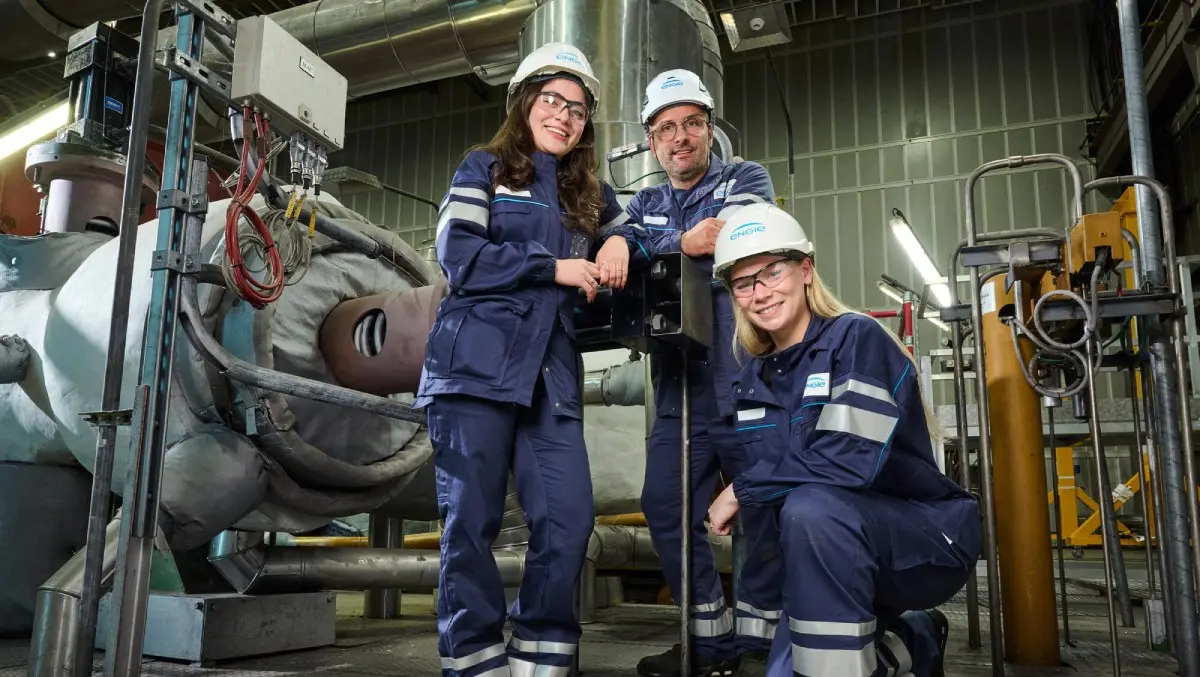



Health and safety: our first priority
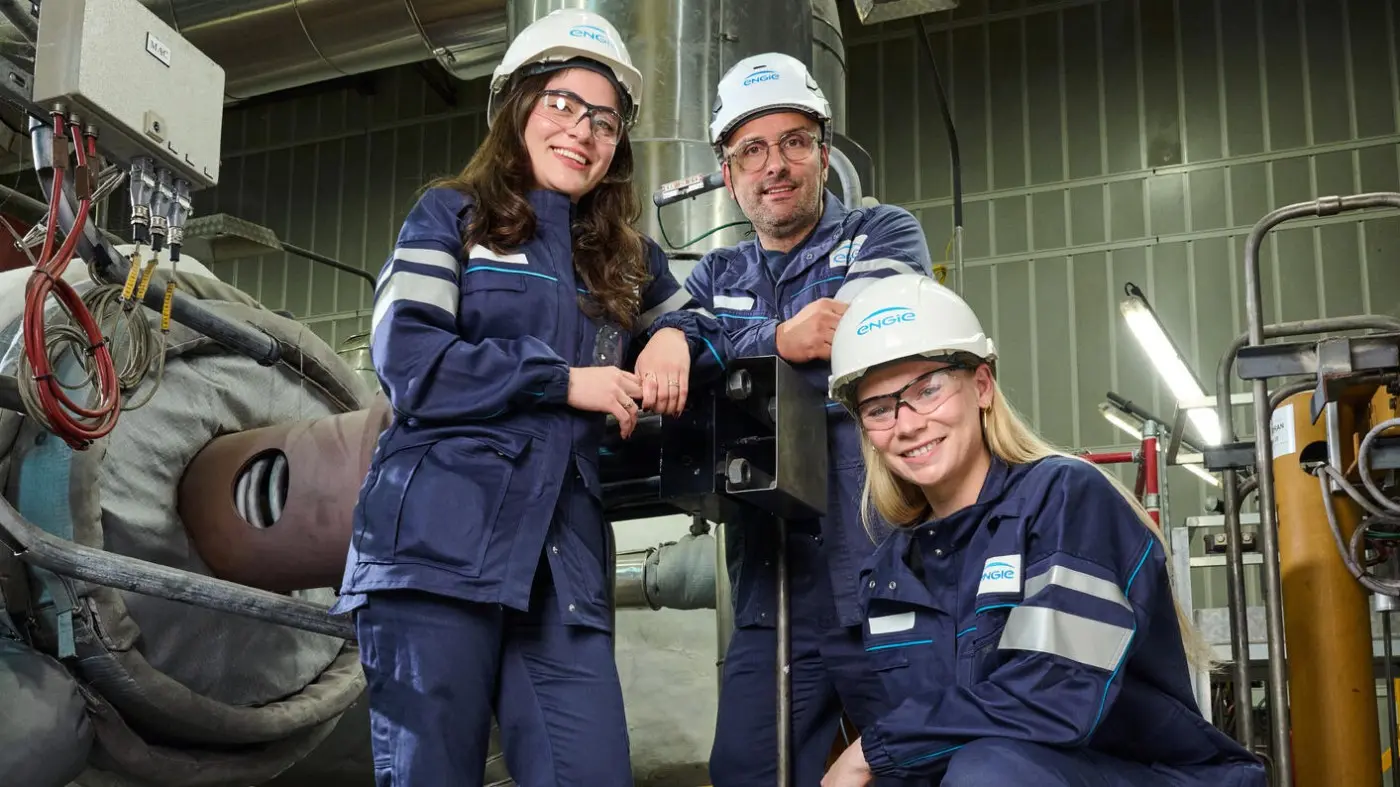
Because nothing justifies an accident, at ENGIE we make health and safety our first priority across all our activities. Protecting the health and lives of everyone working for ENGIE lies at the heart of our corporate commitment.
One Safety : a common language for a common culture
In 2022, we launched a transformation plan called ENGIE One Safety to harmonize the prevention of occupational risks across the Group worldwide. This initiative is built around three fundamental pillars: “No life at risk” for physical safety, “No mind at risk” for mental health and quality of life at work, and “No asset at risk” for the integrity of our industrial assets.The program brings all our teams together around shared standards, tools, training programs and feedback mechanisms to strengthen our collective learning.
Since 2026, the No Mind at Risk pillar has been reinforced with the upcoming publication of a new standard introducing three requirements to be implemented across all ENGIE entities by the end of 2027: detection, managerial engagement, and reporting & learning.
This development now structures the prevention of psychosocial risks around a more systematic approach:
- Detection: Each entity must rely on shared tools (annual psychosocial risk survey, indicators, weak signals, etc) to quickly identify risks that may impact mental health or operational vigilance.
- Managerial engagement: Managers are now required to actively contribute to this prevention effort, notably through dedicated safety rituals and specific training.
- Reporting & learning: Serious psychosocial events must be reported within 30 days and analyzed using a harmonized methodology in order to promote collective learning across the Group.
These new requirements strengthen ENGIE’s ambition to treat mental health as a core element of sustainable performance, alongside physical safety and asset integrity.

ENGIE’s health & safety approach
Major risk management: 9 lifesaving rules
Each ENGIE entity establishes a detailed risk mapping to identify, as close as possible to operations, the dangers specific to its activities. This approach is reinforced by the systematic application of 9 lifesaving rules, non-negotiable standards designed to prevent serious accidents linked to high-risk activities.These form the essential foundation of the behaviors expected from everyone, in all circumstances.
In addition, we address high-potential incidents (HiPo): events that, under slightly different circumstances, could have led to serious or fatal consequences. Analyzing them allows us to act on these warning signals before an accident occurs.
Shared vigilance: Looking out for one another
ENGIE promotes a culture of shared vigilance, where everyone is encouraged to report dangerous situations, prevent deviations and take care of their colleagues’ safety.
Learning to detect weak signals and having the confidence to share them is a powerful act of prevention that strengthens our collective ability to avoid incidents.
The life-saving minute: Taking a moment to think
Before starting any activity, every employee is invited to take “the life-saving minute” – a brief pause to assess the environment, verify that the necessary resources are in place, and ensure that all safety conditions are met.
The stopping point: Knowing when to say stop
ENGIE encourages everyone to fully exercise their right – and their duty – to use the word stop. In case of doubt, observed deviation or changing conditions, anyone can interrupt a task without hesitation or prior justification. The ability to say “stop” at the right moment is one of the most powerful ways to prevent accidents.
Events and incidents: Acting on warning signals
The rigorous treatment of events and incidents, particularly those with a high potential severity (HiPo), lies at the core of our approach. These situations – which could have had severe consequences in another context – are systematically analyzed to identify their root causes. Turning these warning signals into concrete actions helps prevent recurrence and sustainably raise the level of safety.
Committed leadership
Managers’ exemplary behavior is the driving force behind the transformation of our safety culture, with a clear objective: the lasting elimination of serious and fatal accidents for all workers, including our contractors. Between 2023 and 2025, a training and coaching program was rolled out for all managers to strengthen safety rituals (site visits) and promote a shared Occupational Health and Safety (OHS) culture. Performance is monitored by the Executive Committee through the analysis of accidents that have occurred and reports of dangerous situations or high-potential events. In the interest of transparency, this data is certified by the statutory auditors and reviewed by the Global Forum, our official international social dialogue body established under the 2022 Global Framework Agreement.
A commitment extended to our partners and contractors
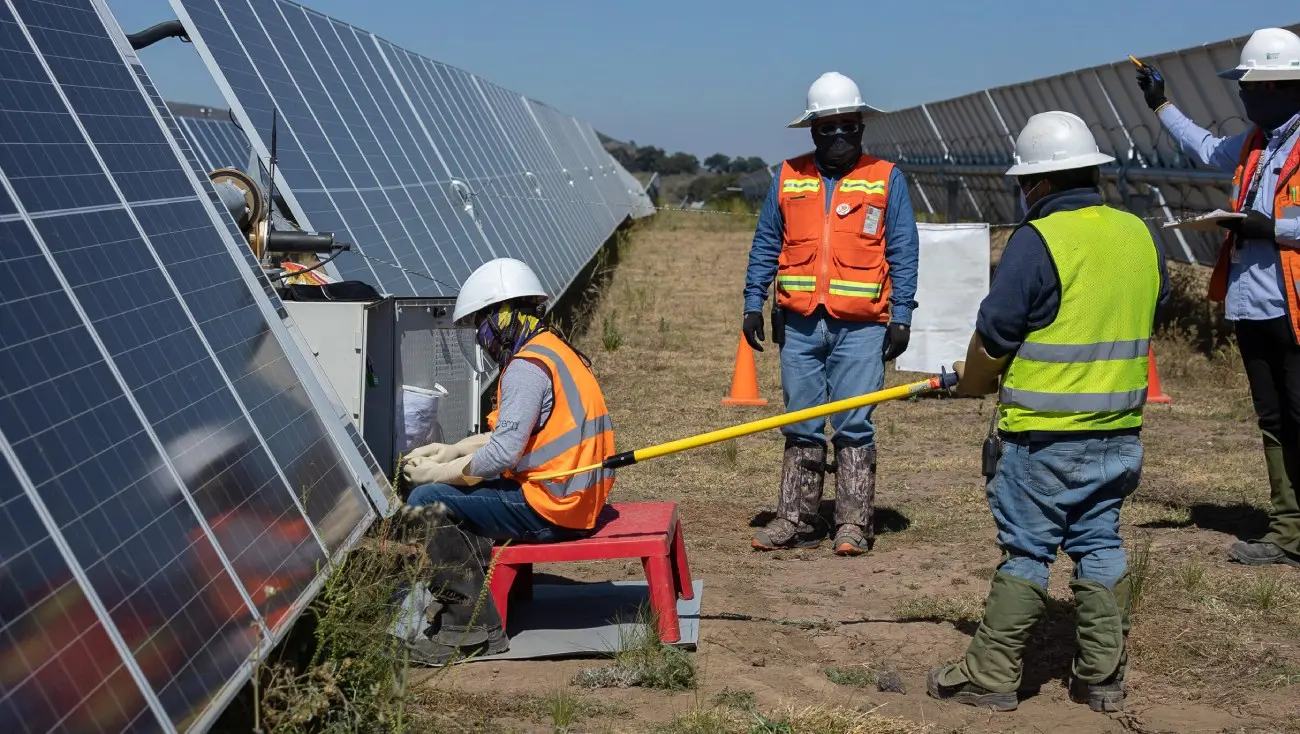
The Group’s priority is to protect the health and safety of everyone working on our sites, our projects and at our customers’ facilities. Our requirements apply with the same level of rigor to contractors as to our own employees through a comprehensive collaboration process:
- Selection and qualification: Only companies demonstrating the highest prevention standards are authorized to work with ENGIE.
- Supervision and safety rituals: Every assignment begins with a systematic safety briefing and continues with rigorous on-site monitoring of ENGIE standards.
- Evaluation and progress: Partners are assessed on their ability to guarantee the safety of every individual. At the end of each assignment, a feedback process helps identify areas for improvement together.
ENGIE systematically provides a safety briefing during which key safety principles are clearly explained to workers, both in theory and in practice.

Go further on the One Safety portal
We make no compromise on health and safety. To help eliminate serious and fatal accidents, we have made available to our external stakeholders a dedicated “One Safety Tool” portal, where our safety rules and the vision “No life at risk, no mind at risk, no asset at risk” are clearly presented. The site provides resources enabling employees and contractors to access ENGIE’s prevention tools, including essential safety practices and the full details of the 9 lifesaving rules.
What is ENGIE’s One Safety program?
One Safety is the program that structures ENGIE’s entire Health and Safety approach. It aims to develop a common culture, harmonize prevention practices, strengthen skills and encourage the sharing of best practices. It is intended for everyone: employees, managers, partners, suppliers and contractors.
What are ENGIE’s “lifesaving rules”?
These are fundamental safety rules related to high-risk activities (working at height, electrical standards, lifting operations, etc.). Compliance with these rules is mandatory for anyone working on an ENGIE site.
How does ENGIE ensure the safety of its contractors?
ENGIE integrates contractors into its Health and Safety approach from the selection phase. Before any intervention, teams share the standards to be followed, identified risks, prevention plans and applicable rules. During operations, worksites are monitored, practices are checked and partners are supported to ensure the same level of safety standards as ENGIE teams.
Find instantly answers to your questions
What do you want to do?