




Insights
Understanding to act. In-depth analysis, expert insights and clear explanations — everything you need to grasp the key energy and climate issues.
À travers des actions concrètes, ENGIE lutte pour la protection de la biodiversité sur ses sites de production renouvelable.

For years, companies around the world have relied on the Greenhouse Gas Protocol (GHGP) to measure and report their carbon emissions. It has become the global reference for climate reporting, used by corporates, investors and regulators.
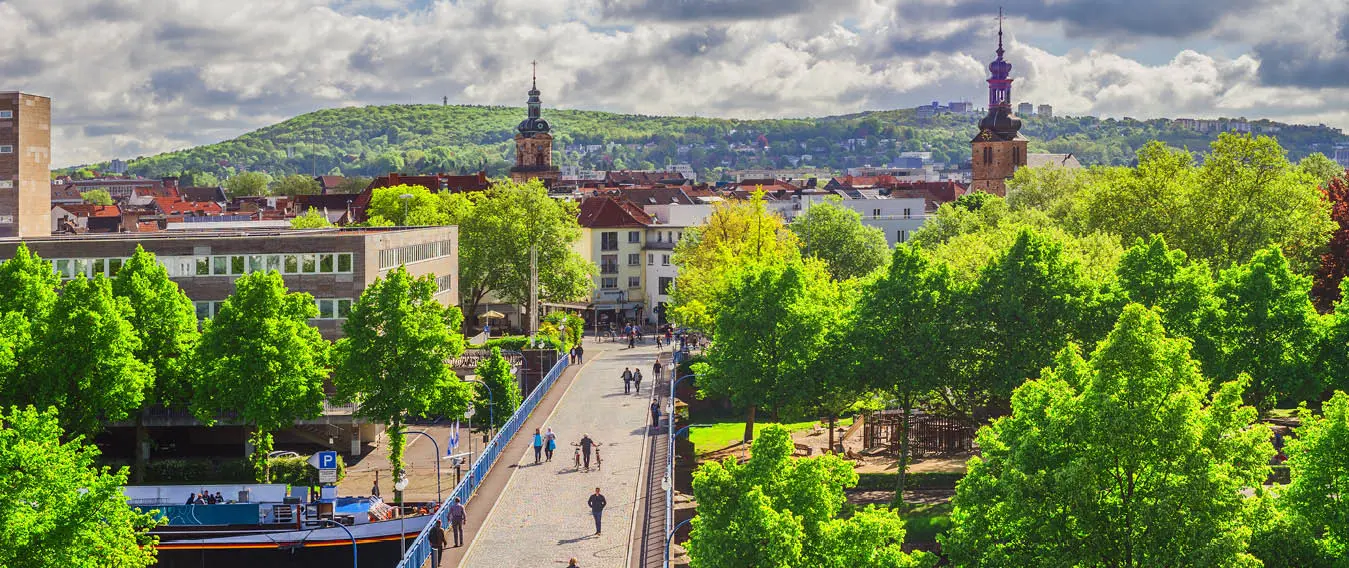
The energy transition is a global challenge that plays out at the local level and within cities. According to data from the United Nations and the IPCC, urban areas account for around 70% of global greenhouse gas emissions. In the face of the climate emergency and to meet the goals set by the Paris Agreement, local authorities must achieve carbon neutrality by 2050. This requires a fundamental rethink of their energy systems.

Still relatively unknown, green gases are often misunderstood. Here are a few tips to help you clear the air at your next dinner party!
As the Northern Hemisphere faces yet another heatwave, spotlight on this startup which is backed by ENGIE New Ventures. It harnesses the power of water to produce cooling.

On this year’s International Day Against Homophobia, Transphobia, and Biphobia, ENGIE reminds us of its position as a Group where each and every person has the freedom to express and be themselves and feel welcome. No matter their orientation or gender identity.
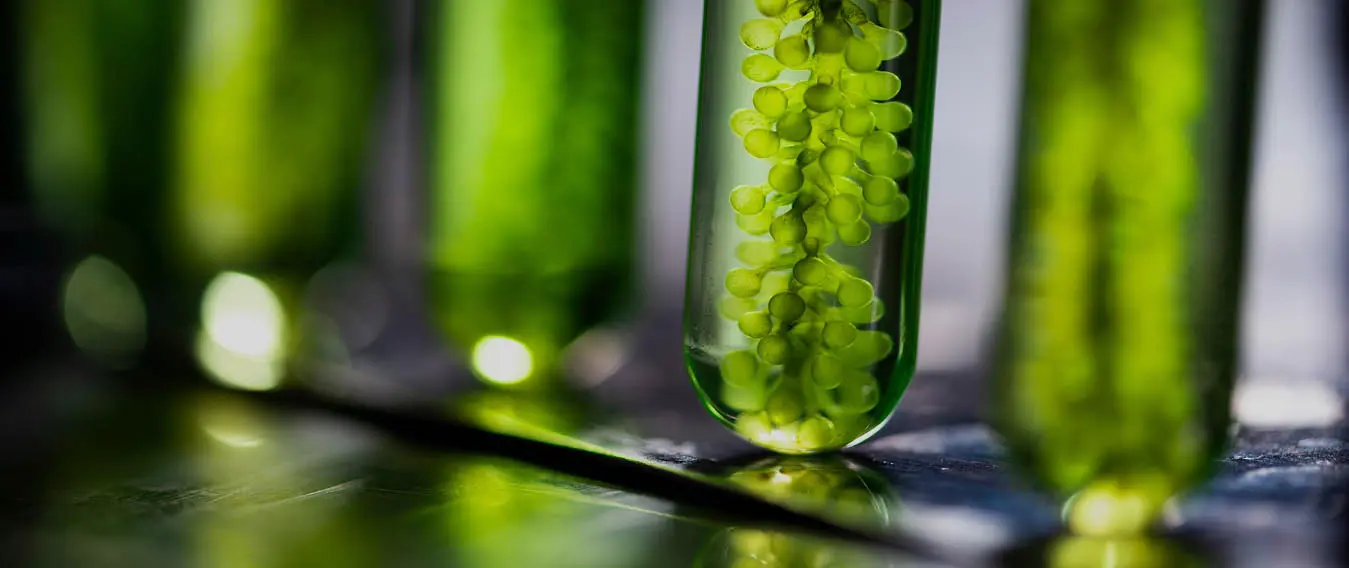
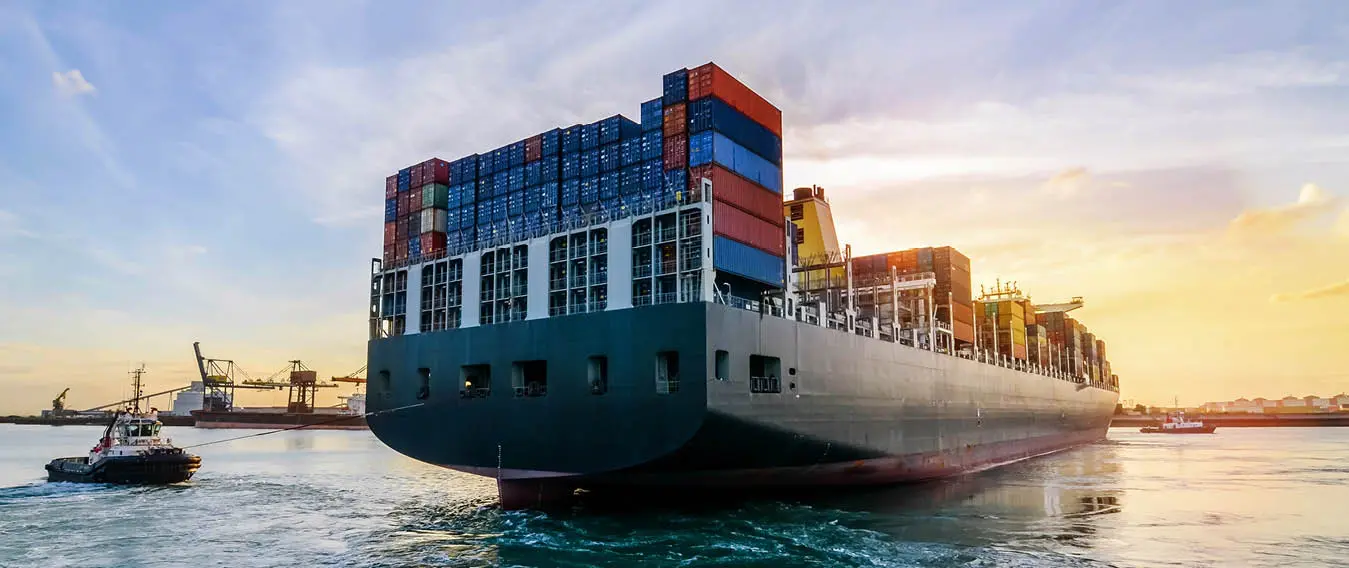
Accounting for over a third* of the world’s CO<sub>2</sub> emissions, transport represents a major challenge for achieving carbon neutrality. While electricity provides a solution for clean mobility for light vehicles, it is not adapted to heavy transport, i.e. maritime, trains, trucks, air etc. This is where renewable fuels come into play, classified by the European Union into four families. Let’s have a closer look…
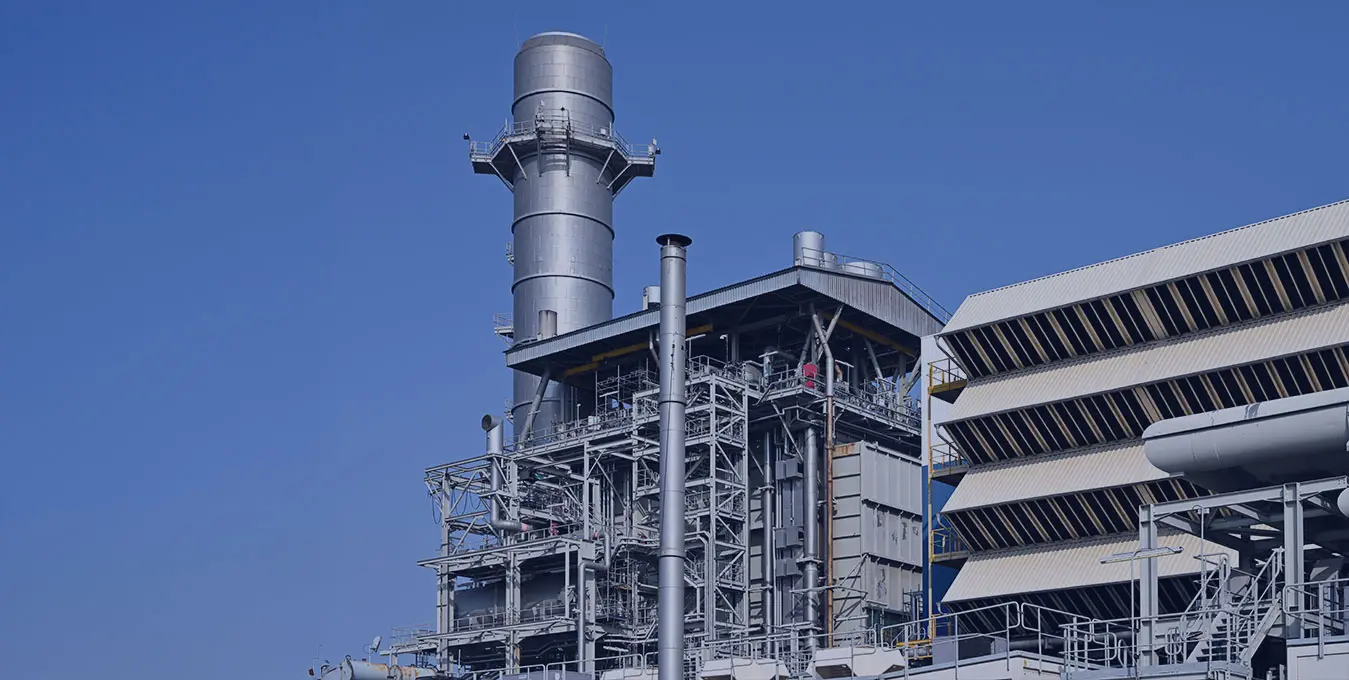
The 10-year major maintenance of ENGIE’s Combigolfe combined cycle gas turbine (CCGT) plant, located in the industrial hub of Fos-sur-Mer (not far from Marseille, France), provided an opportunity to upgrade the facility to meet the evolving demands of the power grid: increased flexibility due to renewable energy integration and reduced CO₂ emissions.
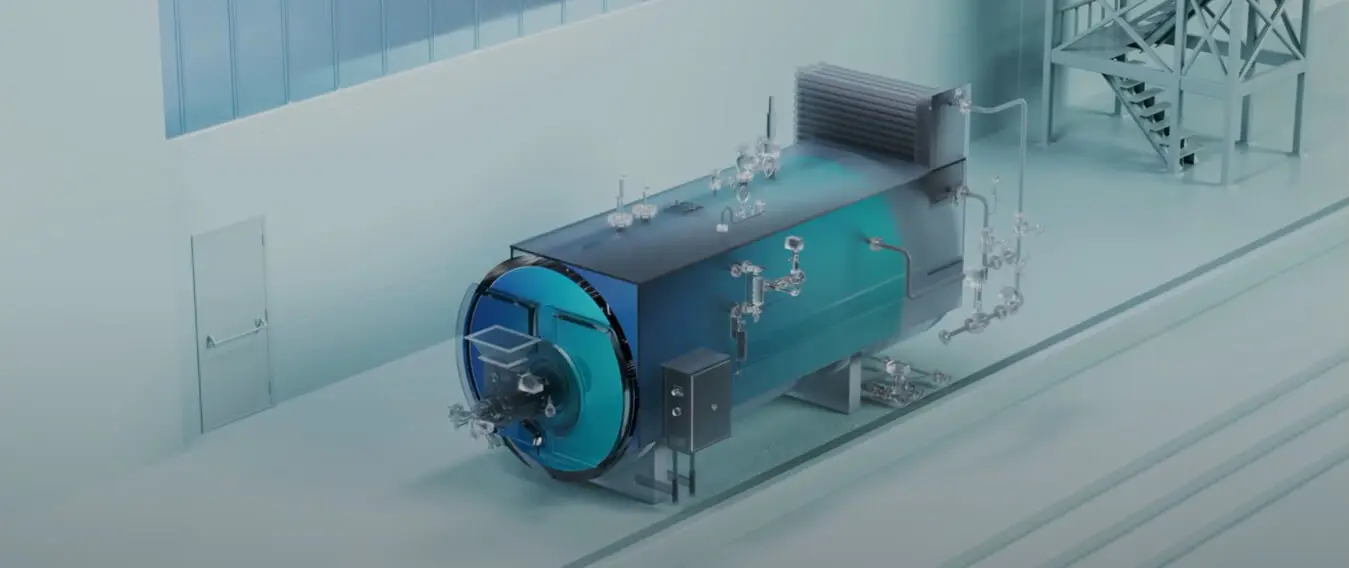
A small revolution in industrial decarbonization with the Ch0C project for zero-carbon boilers!

Low-carbon or green, with multiple uses and advantages, hydrogen has everything to be the undeniable ally of the transition to Net Zero Carbon. That's why we have made it the subject of our monthly theme!
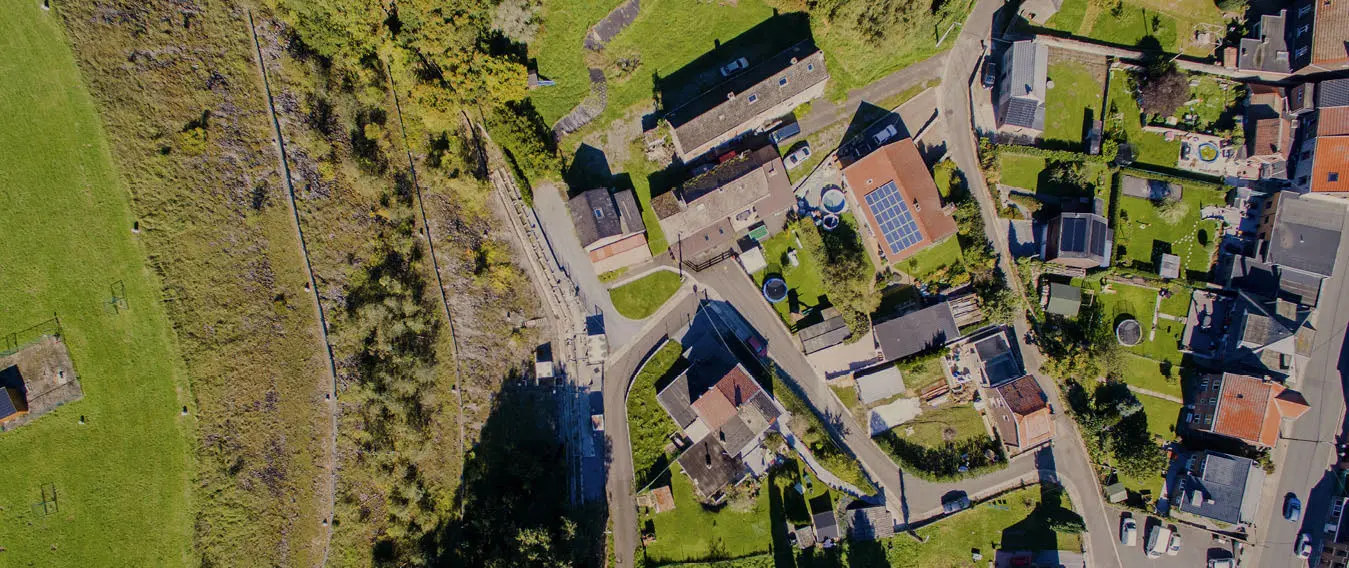
After COP26, during which decarbonisation and its challenges made the headlines, ENGIE explores the definition of this new word and the already very concrete solutions that we are developing in the territories.

Essential for the environment, renewable energies are also a real wealth for the territories. This is the case of wind power, solar power and green gases, which make it possible to develop all local resources. With the key, the creation of jobs, income, and new industrial and territorial ecosystems!
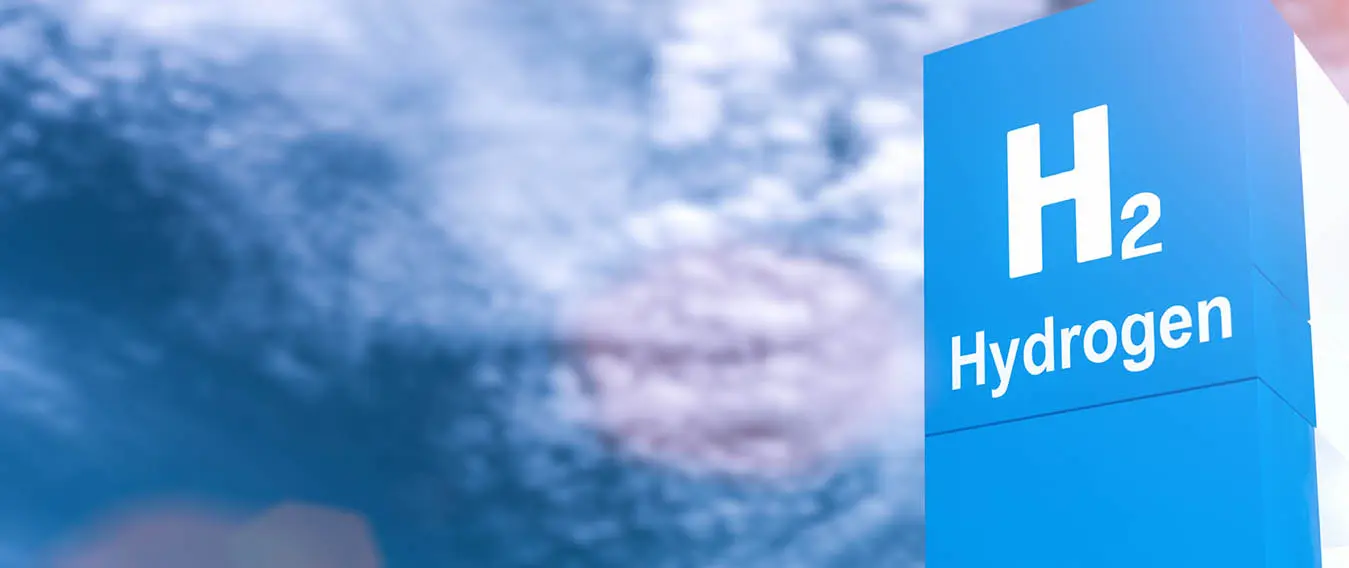
ENGIE sees green hydrogen as a vital element in the energy transition. Having been something of a trailblazer over the last few years, developing the energy of the future through innovation and research, it is now time for action! We have passed a new milestone: our hydrogen projects are scaling up to become industry benchmarks.
The climate emergency is urging our economies to become net zero carbon. Since the Paris Agreement in 2015, national governments, regions and organisations have announced their net zero carbon goals. The scientific community and a growing number of committed stakeholders and businesses have helped to identify the actions that must be taken. This feature explains how ENGIE is helping businesses achieve their net zero carbon transition.
What is energy sufficiency? Impacting all facets of our society, energy sufficiency has become, in just a few months, a major topic of discussion. In this article, we cover the concept and the essential role it plays in the transition towards a low-carbon world.

For the ninth year running, the Group is partnering Europe's leading tech event, Vivatech, which takes place from May 22 to 25. An opportunity to look back at the importance of research and innovation for the Group.
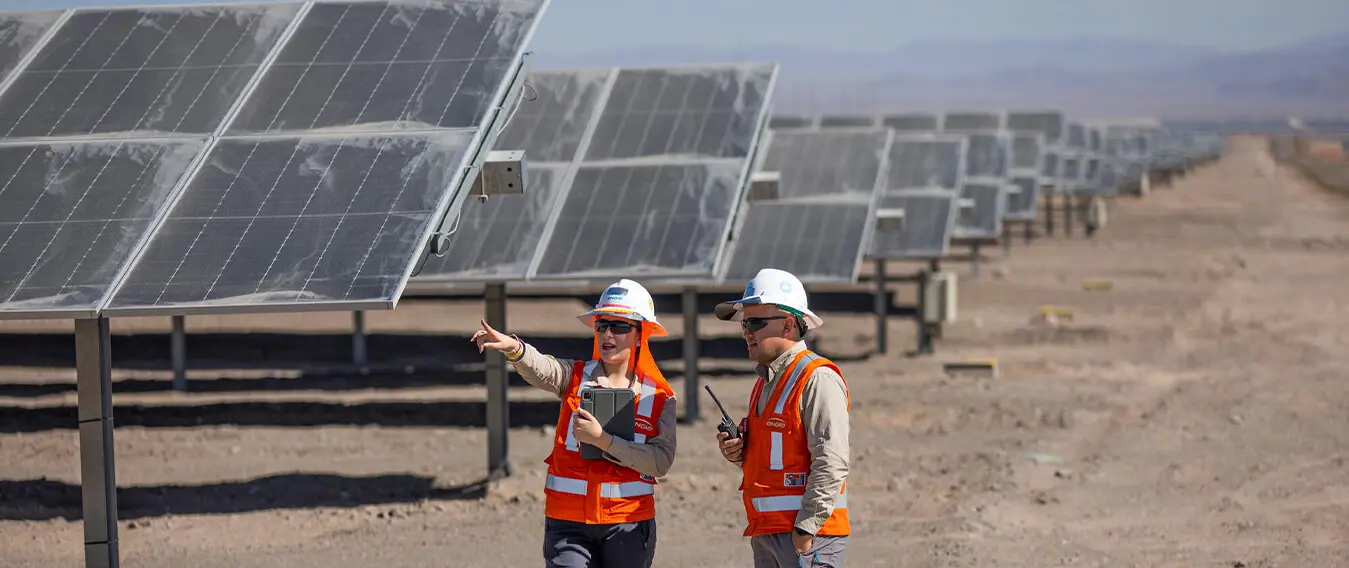
According to the International Energy Agency, solar photovoltaics represented three-quarters of installed renewable capacity worldwide in 2023. By 2050, this energy source will account for a quarter of the global energy mix1. ENGIE, devoting over 83% of its growth investment to renewable electric energy and flexibility, aims to reach 80 GW of renewable energy in its mix by 2030. With the upcoming Intersolar Europe exhibition, we focus on solar, which along with batteries, plays a key role in this ambition.
For the second year running, the Group has presented its report on Decarbonization pathways for Europe in 2050. In the 2024 edition, ENGIE has crunched the numbers and calculated what the transition would cost us if we acted… and if not.
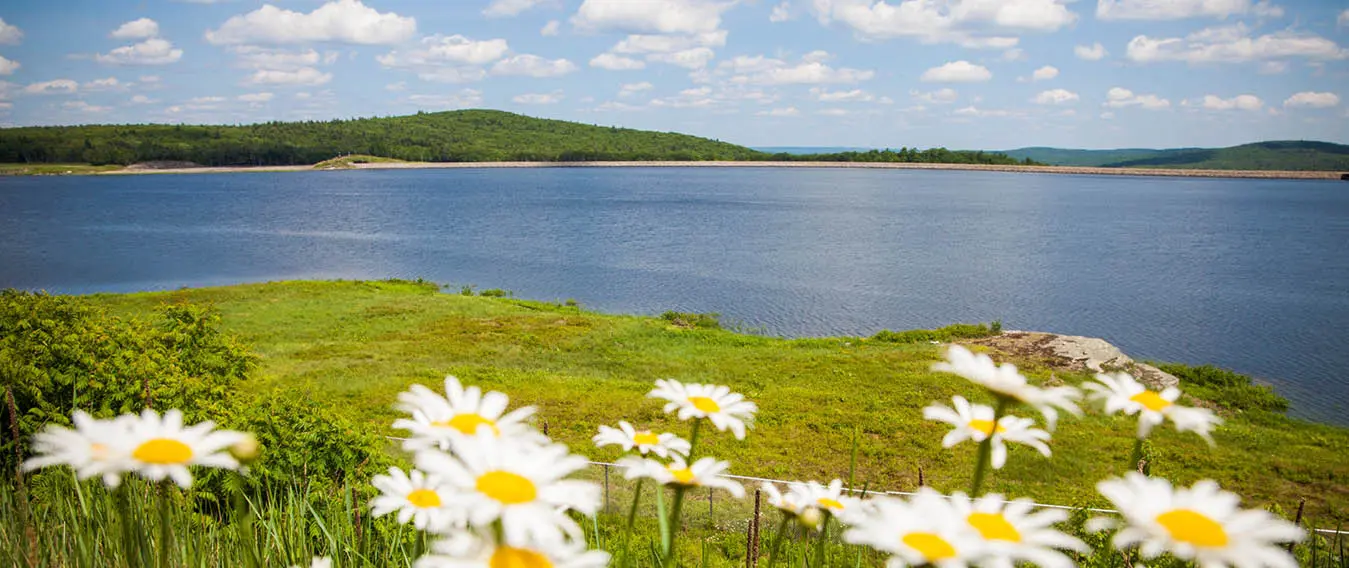
One of the latest buzz words, decarbonisation is directly associated with the fight against climate change. But what exactly is it? What goals have been set in this respect? And practically speaking, how do you go about decarbonising? Keep reading for the answers…

Our country's target for carbon neutrality by 2050 obviously applies to regions. But the challenge is so much more than an obligation – it also offers many opportunities for regions to (re)vitalise their economic growth, their jobs, their appeal, etc.

Taking example from national governments and regions, the private sector is now tackling decarbonization against a background of international tension. What challenges and goals are our customers are facing? How can ENGIE help them? We provide the answers.

ENGIE assists manufacturers of the heavy mobility sector on their way to decarbonisation.
What are e-fuels? We’ve got covered!
A key solution for the future of green mobility, e-fuels are synthetic fuels – e-methane, e-kerosene, e-diesel, etc. – produced from renewable electricity, which may be in gas or liquid form. ENGIE has stepped up to advance the sector by launching a number of projects. We take a look at four of them!

On this November 25, the International Day for the Elimination of Violence Against Women, ENGIE reaffirms its commitment to fighting this scourge.

ENGIE R&I has just released its annual Emerging Sustainable Technologies report. The 2025 edition is dedicated to the defossilization of industry. Jan Mertens, Chief Scientific Officer at ENGIE R&I, and Elodie du Fornel, Senior Scientific Advisor, explain this concept and share their key insights with us.
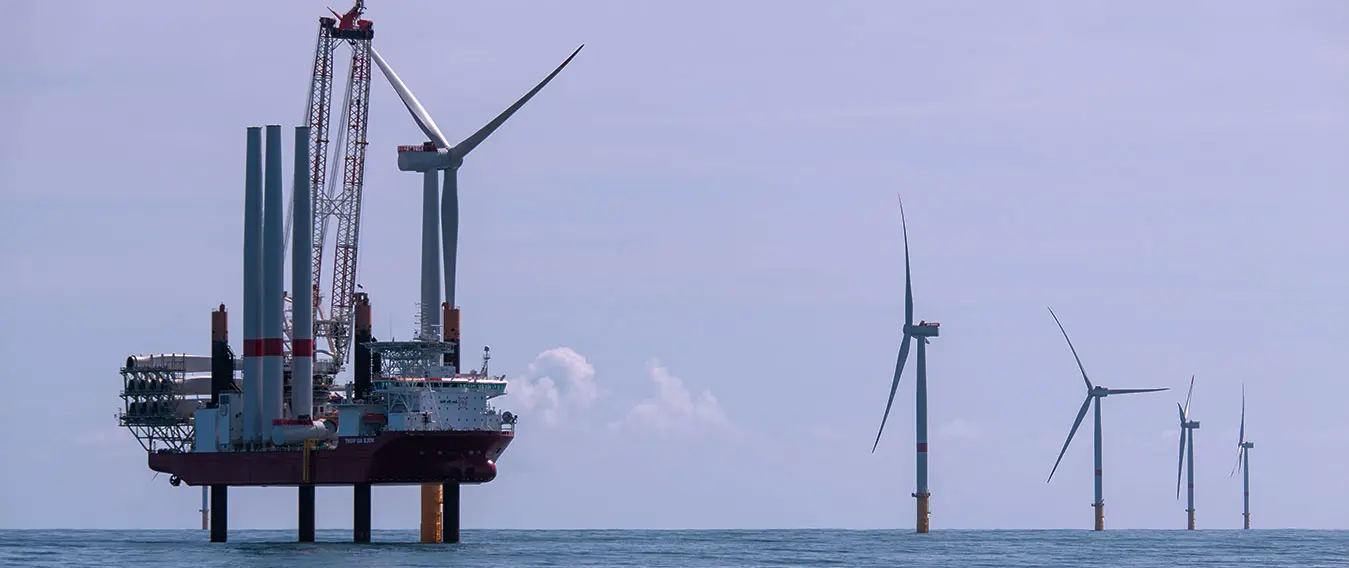
The Yeu and Noirmoutier offshore wind farm (EMYN), developed by Ocean Winds, the ENGIE–EDPR joint venture dedicated to offshore wind, reached a major milestone this summer with half of its turbines now installed.
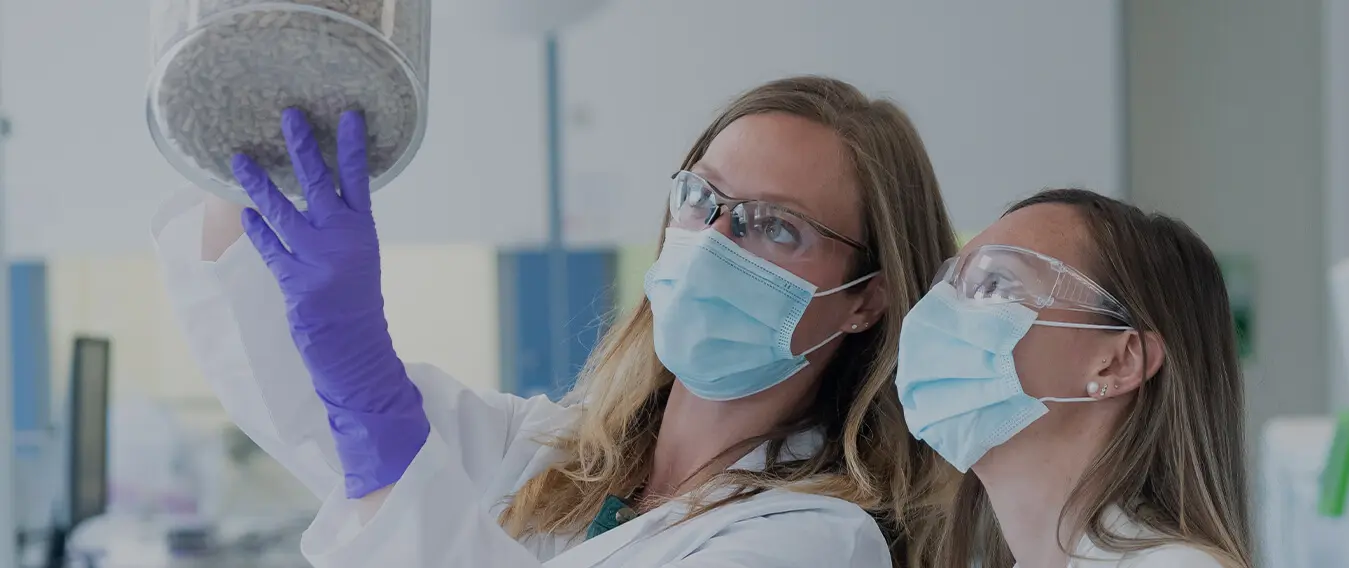
Supporting talented young women in STEM fields and investing in their professional development is essential if we are to meet the technological and scientific challenges of today and tomorrow.
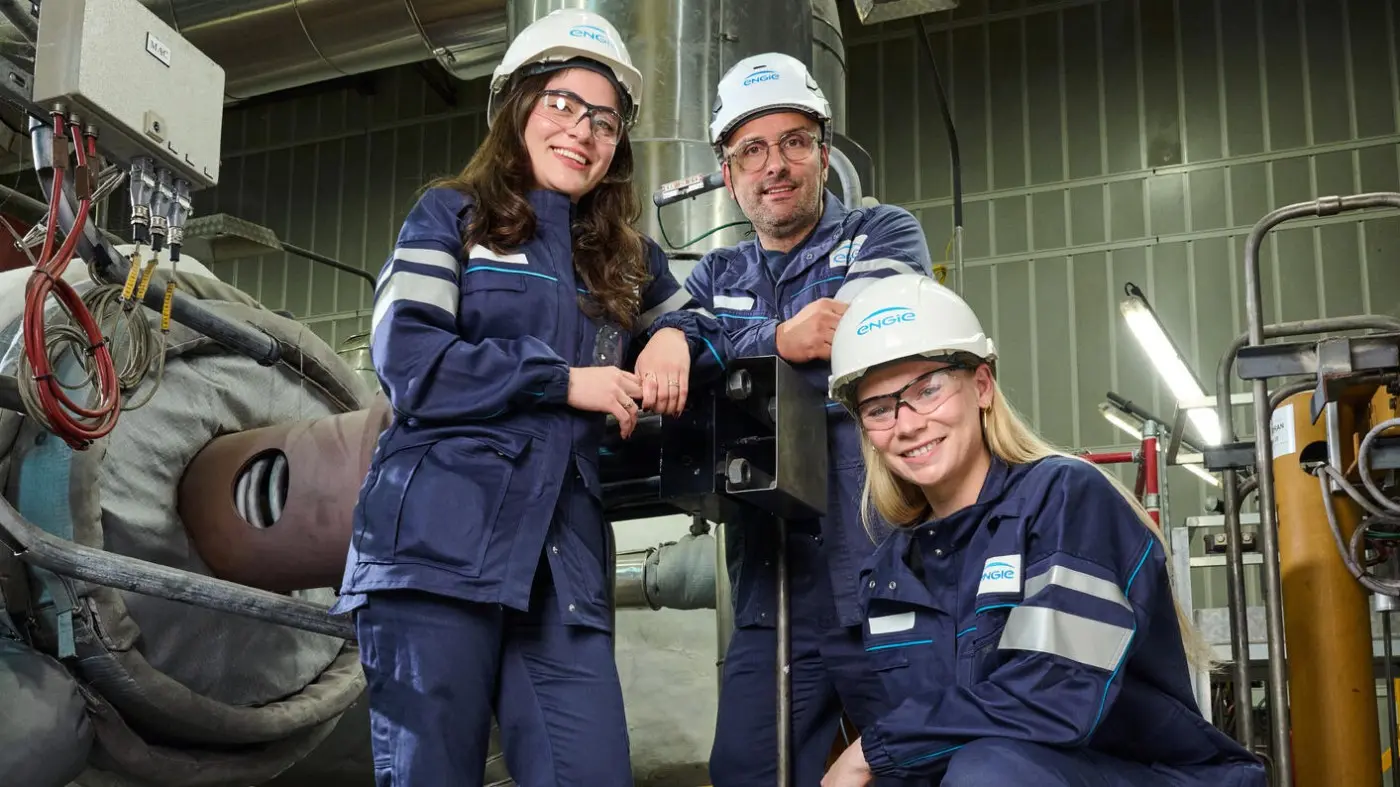
With our 98,000 “transition makers” in 30 countries, we strive every day to make the energy transition happen.
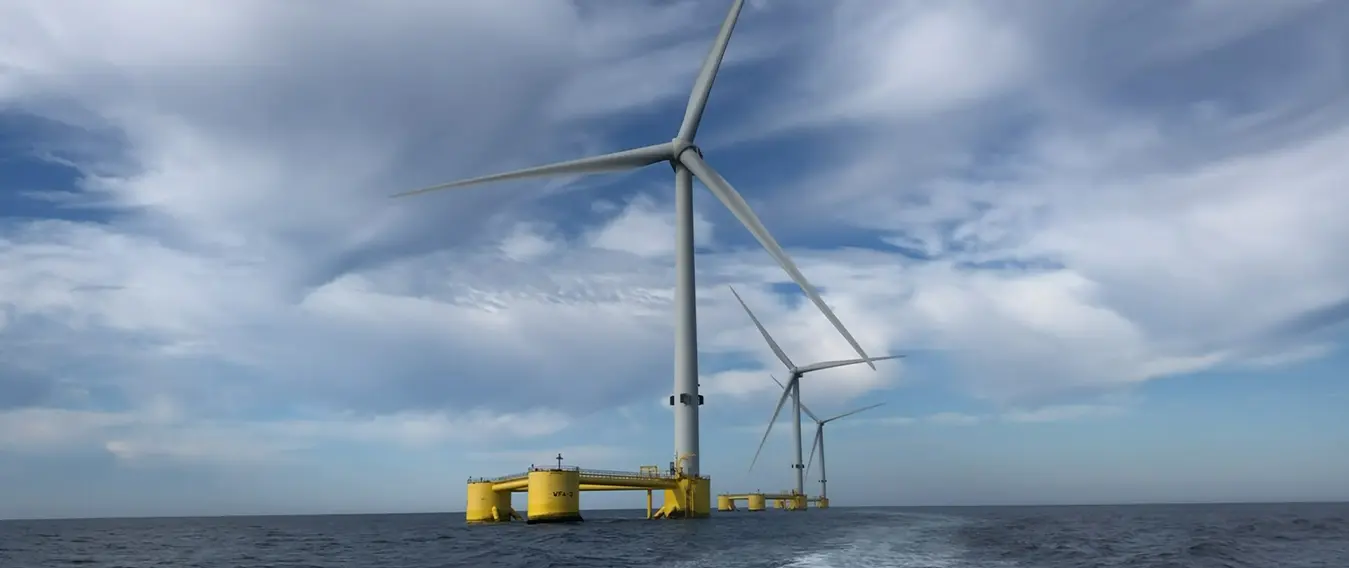
With 14 projects in progress in seven countries, Ocean Winds is aiming to become a world leader in offshore wind power. This 50-50 joint venture between ENGIE and EDPR has an offshore wind power portfolio totalling 14.5 GW (in operation, under construction and in the advanced development phase), or the equivalent of 11 nuclear tranches. But how has it achieved this remarkable success?
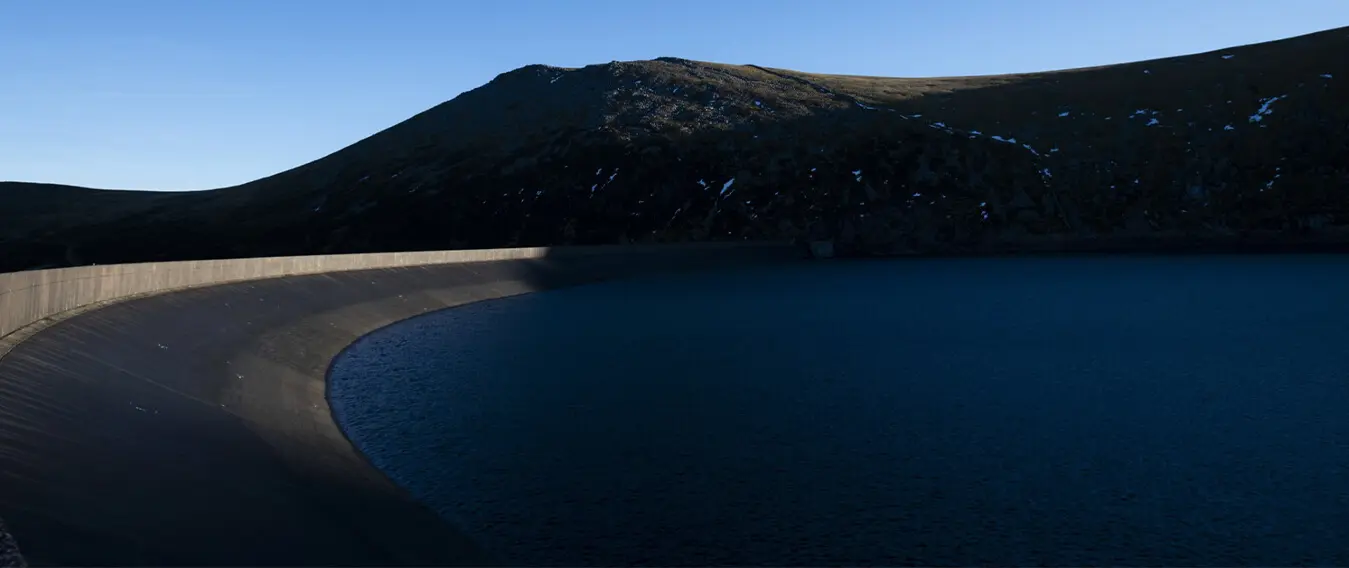
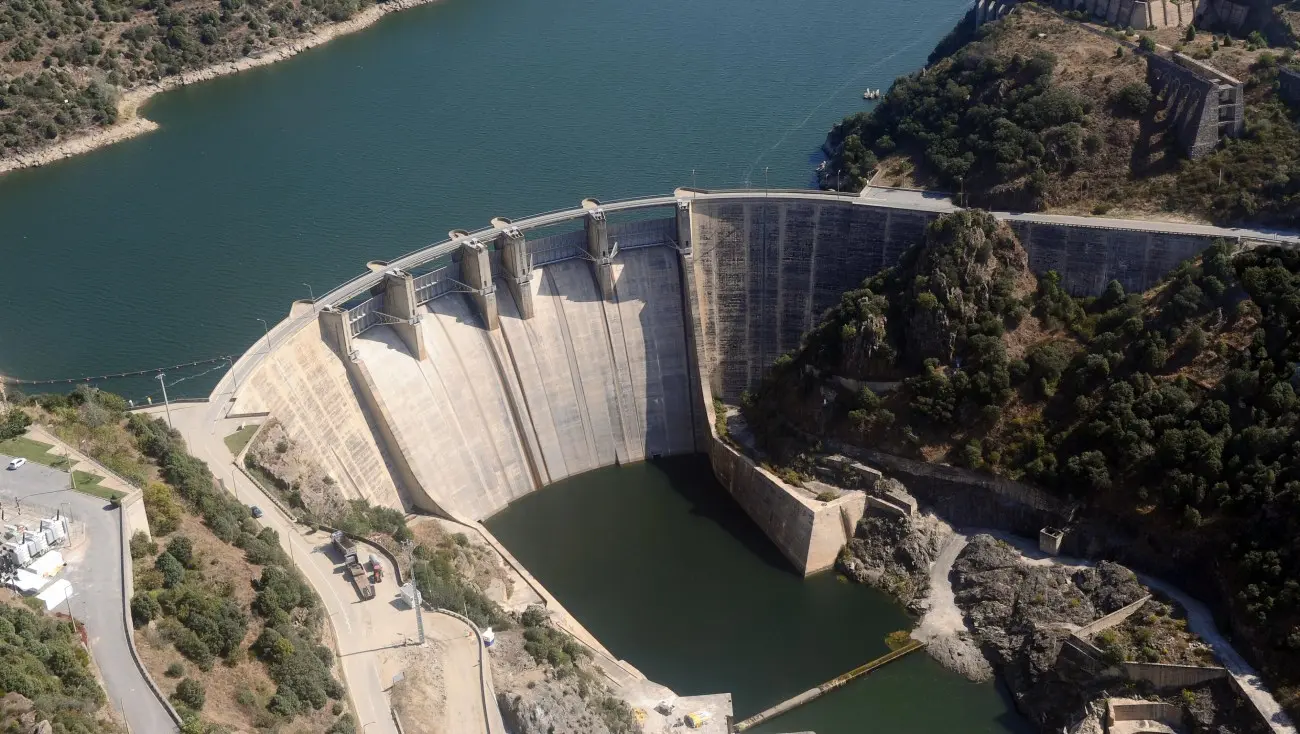
ENGIE is continuing a vast renovation program for its two pumped-storage hydropower plants, in north Wales. The renovation of the older plant, Ffestiniog (360 MW, inaugurated in 1963), began in 2017 and will conclude during the winter of 2025/2026. Preparatory work for Dinorwig (1.8 GW, 1984) has begun, awaiting an investment decision expected in early 2026 for the plant's renovation, a project anticipated to last 10 years.
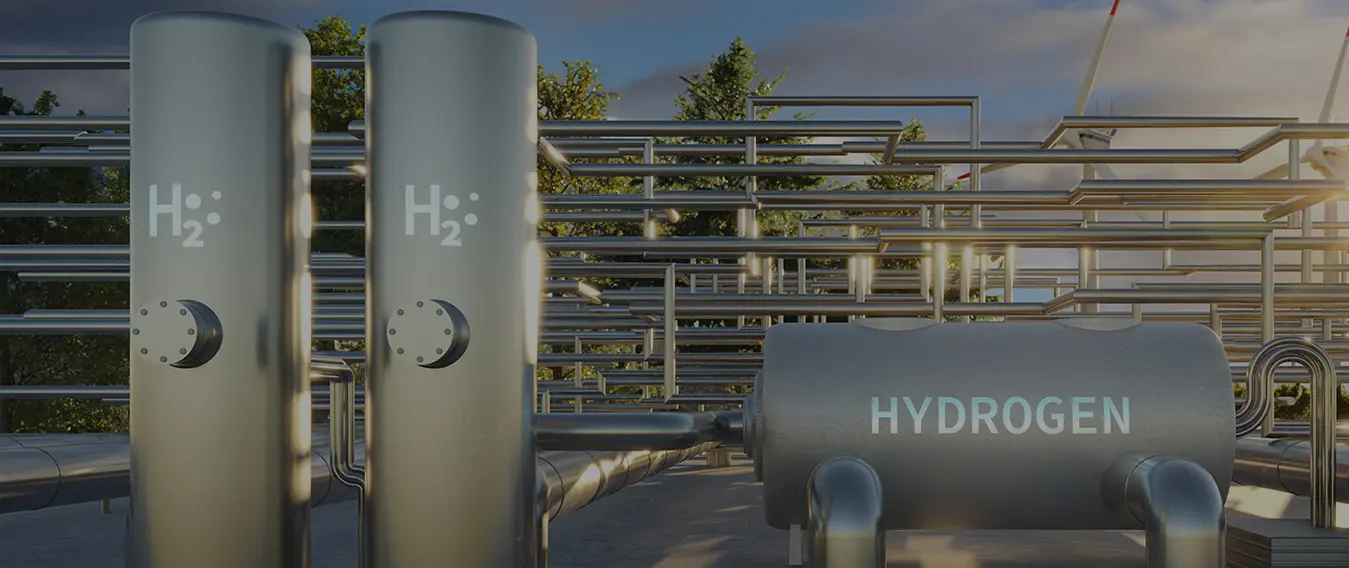
ENGIE is actively involved in almost 100 H2 projects, of all sizes and stages of maturity, in industry, mobility and networks.
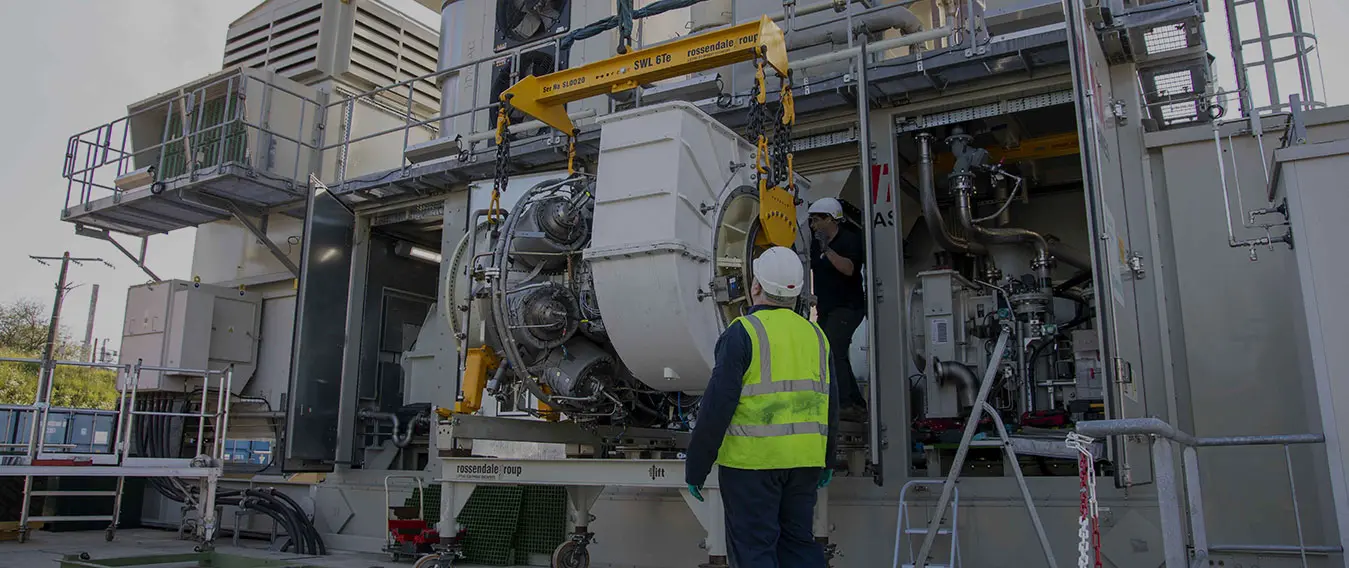
ENGIE, Siemens Energy, and their European partners have achieved a global first in France: running a gas turbine on renewable hydrogen. Another step towards decarbonizing industry.
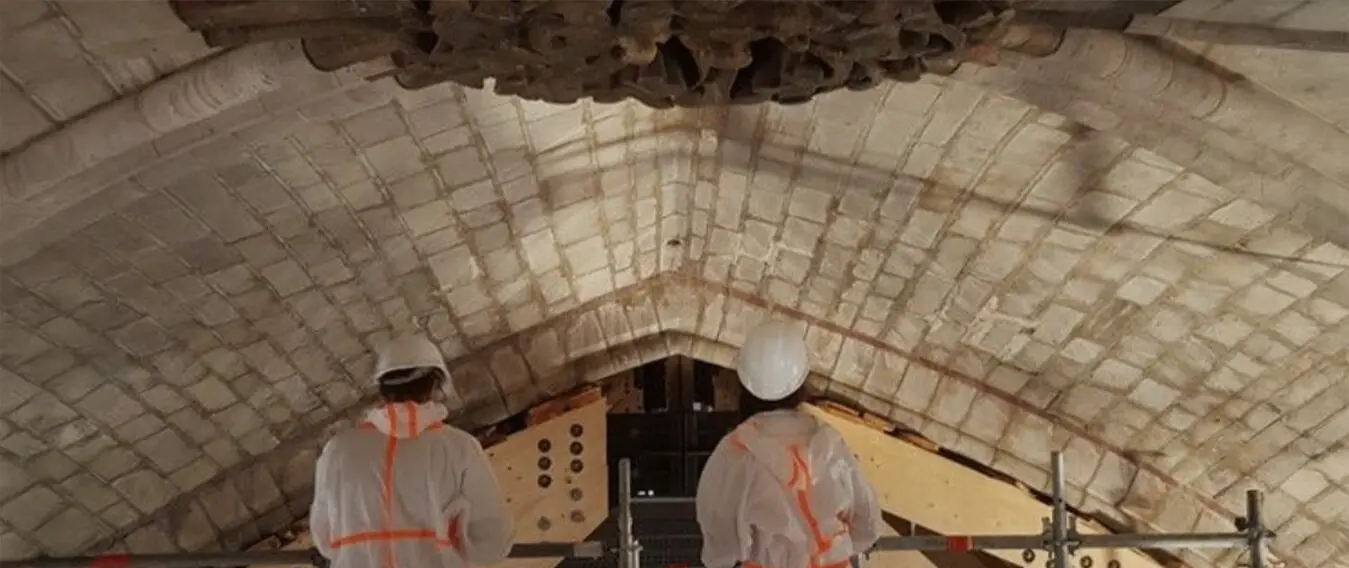
You can be both a safety engineer at ENGIE Lab Crigen and a geoarchaeology expert—that’s the case for Jean-Pierre, who contributed to the reconstruction of the iconic cathedral. Too good of an opportunity to not share his unique experience!
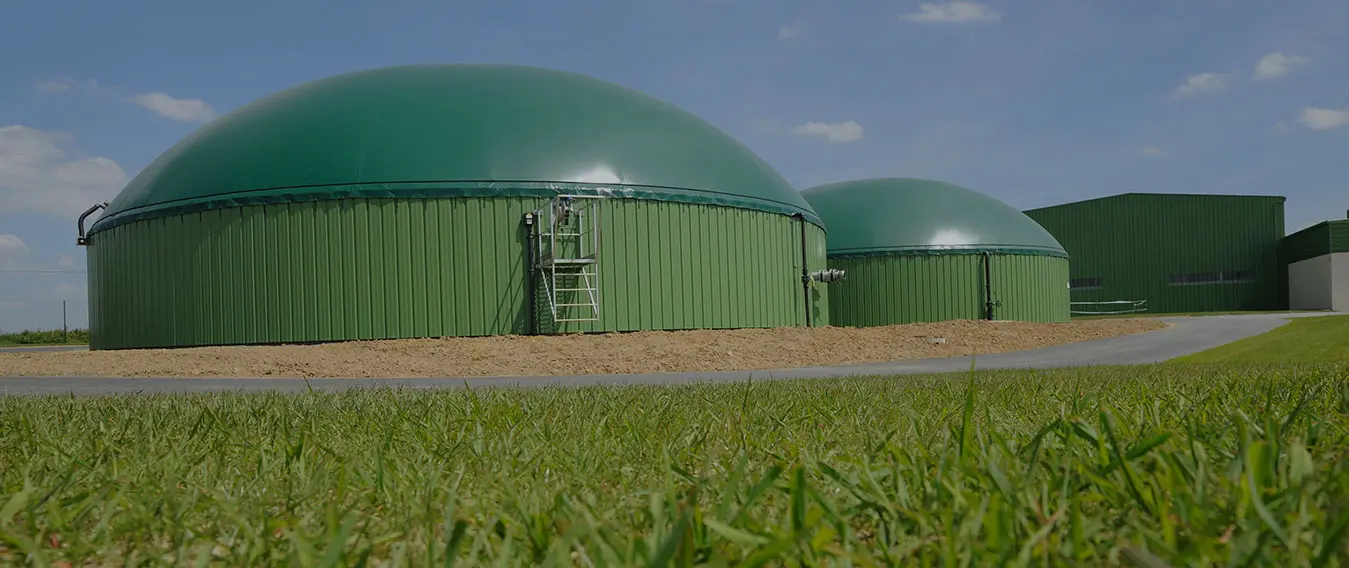
The ENGIE New Ventures fund has invested in two promising European biogas companies.
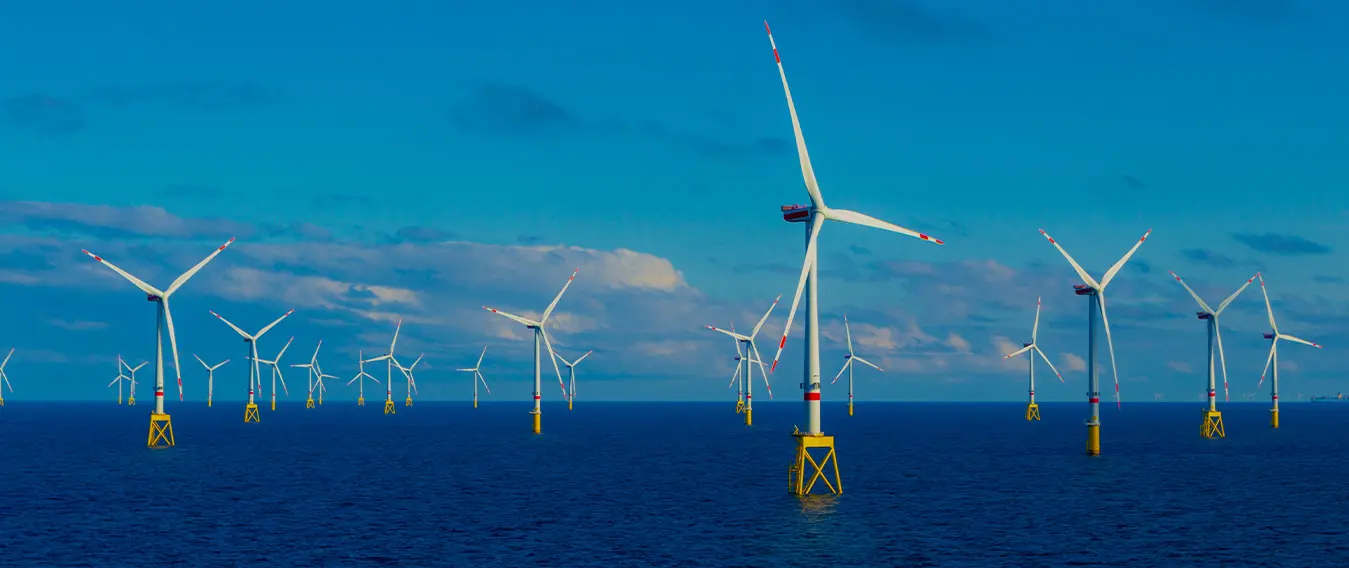
Grzegorz Gorski, Ocean Winds’ COO, looks back at the reasons for the success of offshore wind energy.
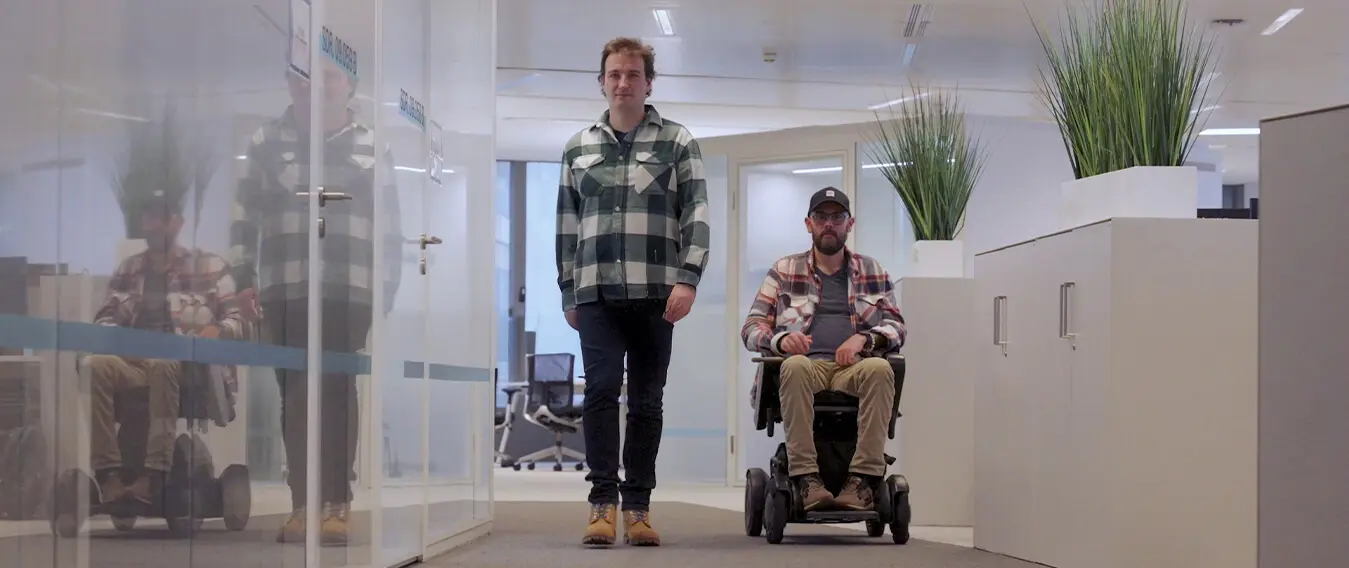
A committed DE&I player for many years now, the Group considers difference as a key performance and competitiveness lever.

Join us and discover how a strong diversity, equity and inclusion policy leads to good ideas, creativity, performance and social cohesion. At ENGIE, you are free to truly be yourself, with your skills… and your differences.
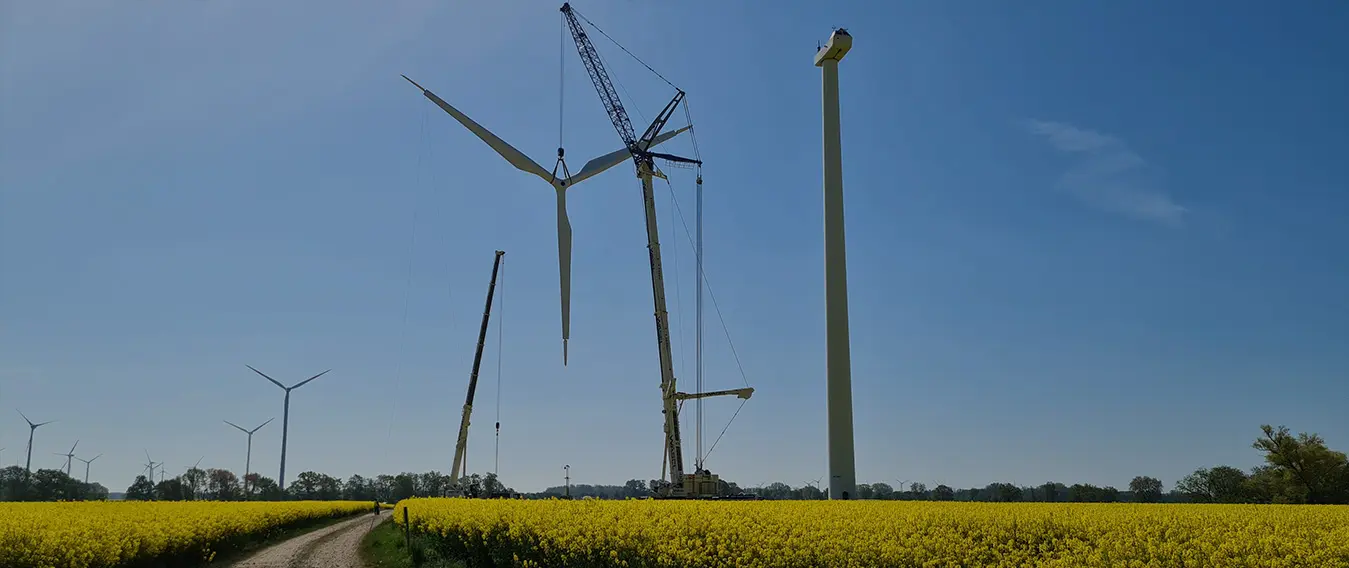
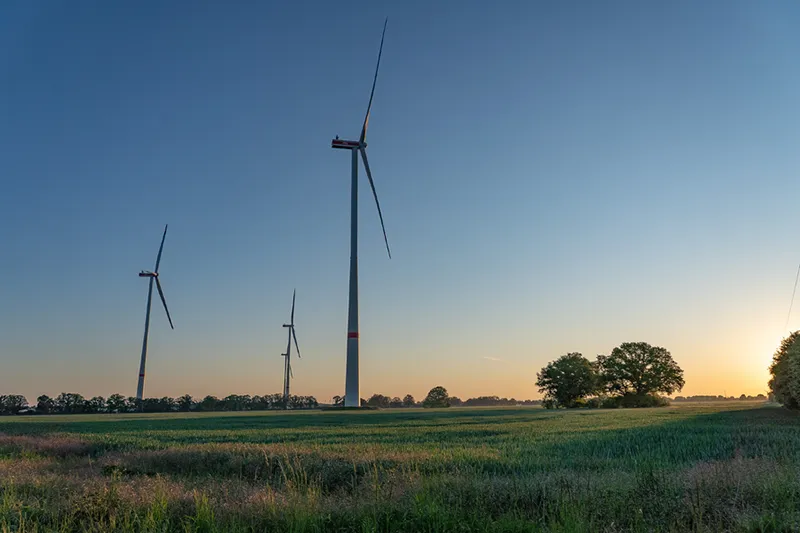
In Karstadt (Germany), ENGIE renovated its end-of-life Wind farm and increased 4-fold its capacity.
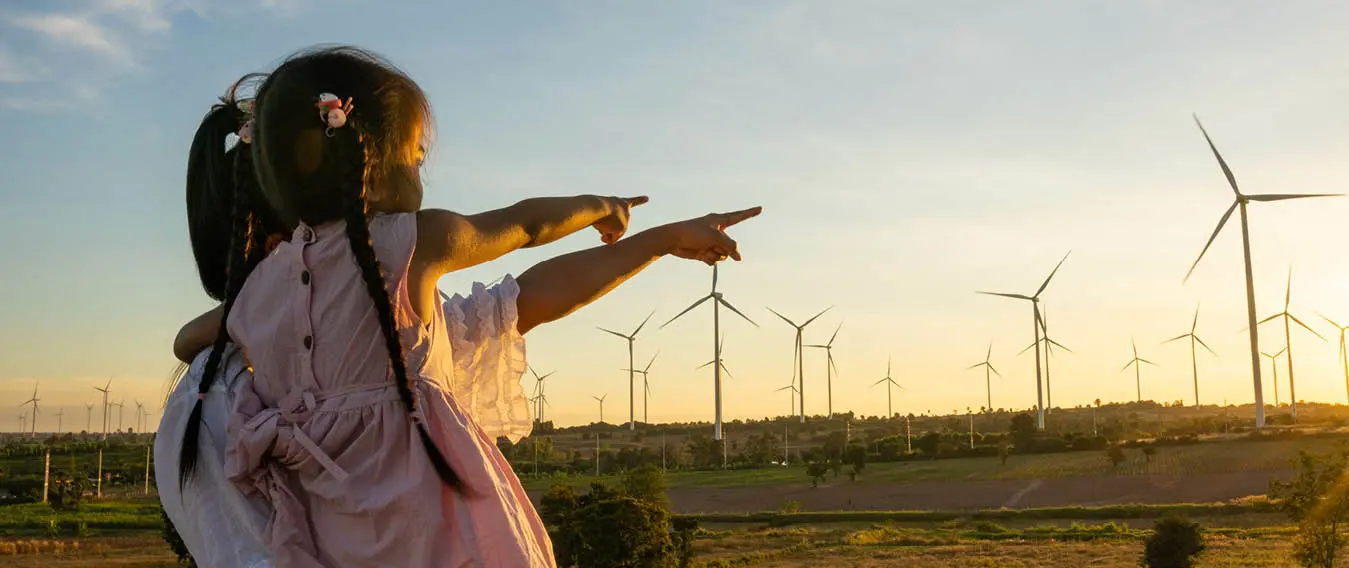
To accelerate the development of renewable energies and encourage the acceptance and appropriation of projects by the largest number of people, ENGIE launched in May 2022 an unprecedented initiative: the creation of a label, “SET” (for a Sustainable Energy Transition), audited by the recognized independent expert, Bureau Veritas. Three questions to find out more about this label.

Greenhouse gas emissions, carbon footprint… you've heard of them. But do you know what scopes 1, 2, and 3 encompass and how to calculate a carbon footprint? Clément Tremblay, ENGIE's Group Climate Manager, explains all.
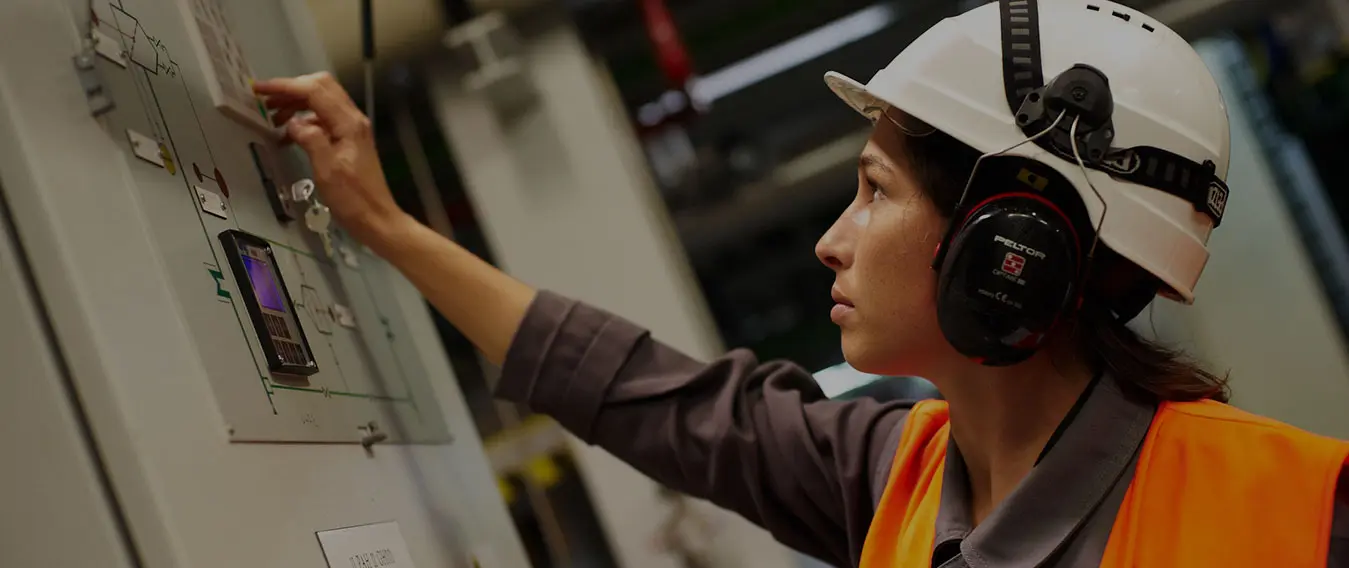
What if the energy transition and gender equality were actually part of the same fight? More sensitive to the effects of climate change, women are also front-line players in the fight against global warming and are behind many climate initiatives. At ENGIE, we are convinced that the success of the energy transition depends on greater diversity in the whole sector and within our workforce, at every level in the Group.

At a time when transport accounts for over a third* of global CO<sub>2</sub> emissions, it has become a matter of urgency to reduce energy consumption and adopt more clean mobility solutions. But what exactly does this mean? How can we achieve it. Here are the answers that we provide.
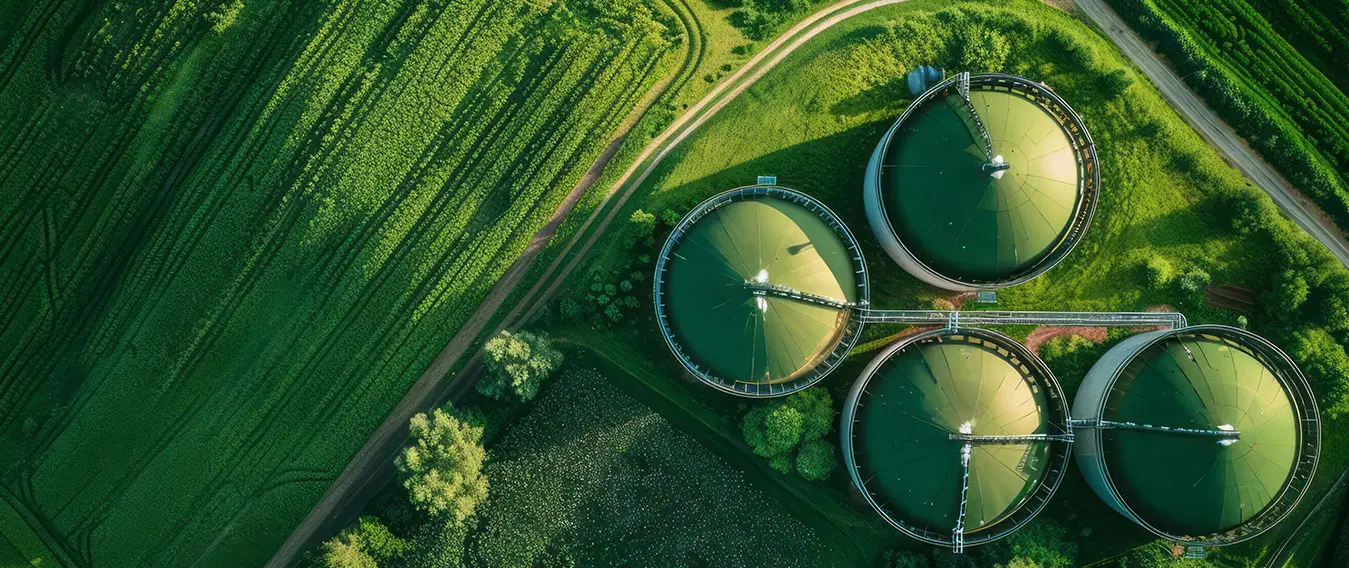
89% of Europeans want the energy transition to progress, and 81% believe it must involve renewable energies… but only 9% associate renewable gases with it. This is a mistake, as these molecules play a crucial role. Here’s why.
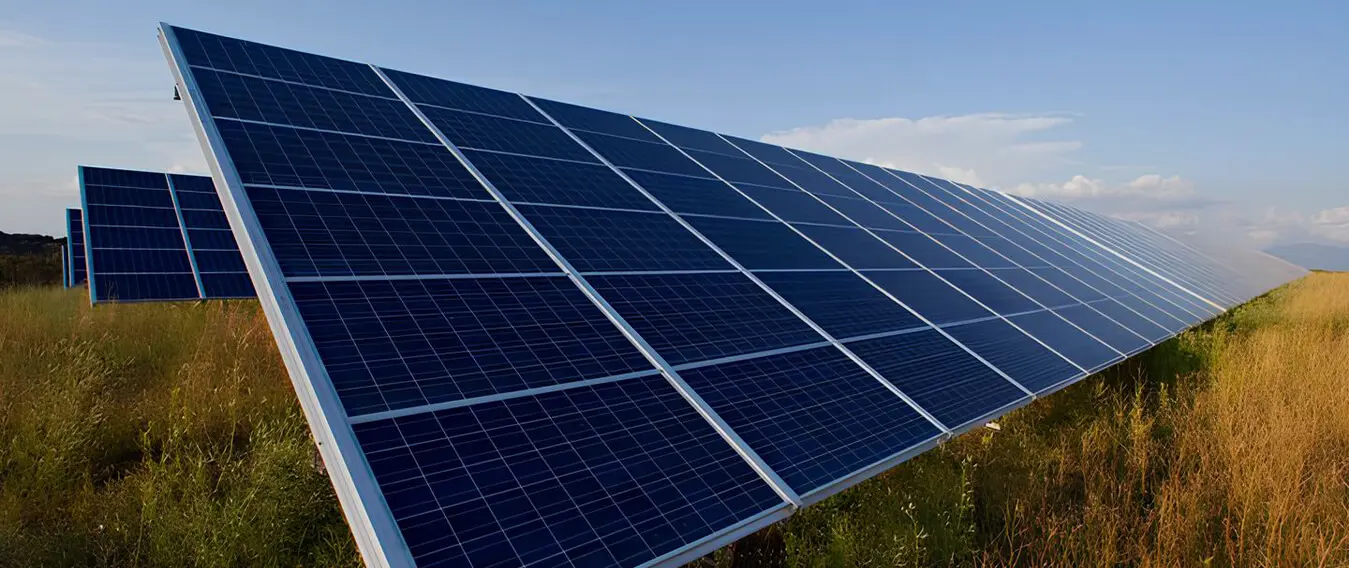
ENGIE, leader in renewable Power Purchase Agreements (PPAs), signed landmark deals with major tech players. Jérôme Malka, takes us behind the scenes of these agreements.
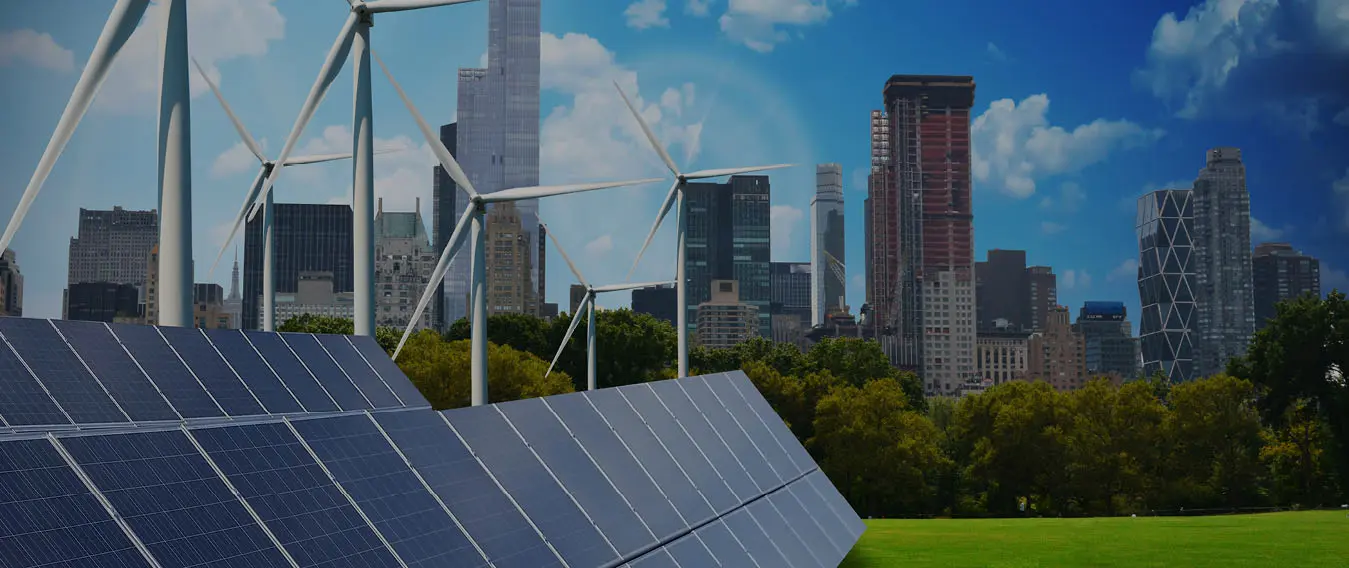
PPAs are long-term renewable energy contracts. They are increasingly popular with big companies, SMEs, and local authorities. Why? Because they are a reliable way of decarbonising their electricity consumption, contributing to the energy transition.

Find out the Group's 10 flagship biodiversity projects
What do European citizens think about the energy transition? Climate skepticism, climate relativism, are these voices rising in recent months against the transition reflective of the reality on the ground? As the European elections approach, ENGIE has partnered with the Fondation Jean- Jaurès, a French think tank, to shed light on the subject and share its convictions and recommendations with European decision-makers on how to implement an energy transition that is both affordable and desirable for everyone.

ENGIE is growing its activities in sustainable mobility. Let's take a deep dive into the topic via three key questions.
Impacting all facets of our society, energy sufficiency has become, in just a few months, a major topic of discussion. In this article, we cover the concept and the essential role it plays in the transition towards a low-carbon world.
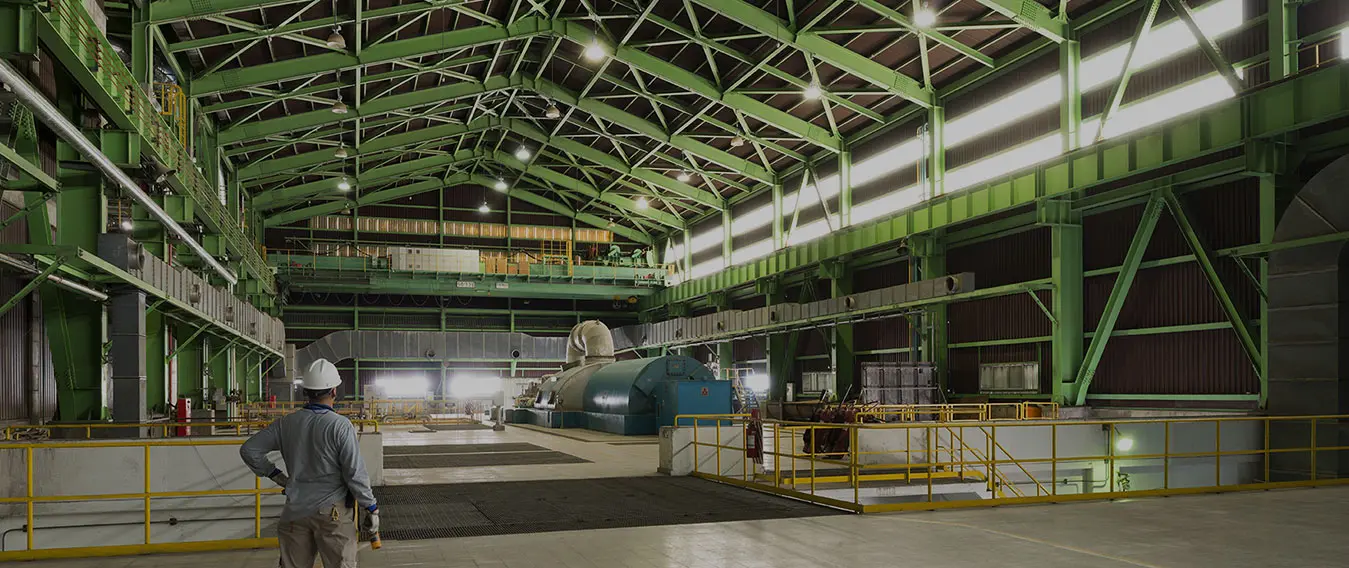
In 2021, ENGIE announced its exit from coal in Chile. As this transformation has an impact on the local economy, the Group implemented a Just Transition plan.
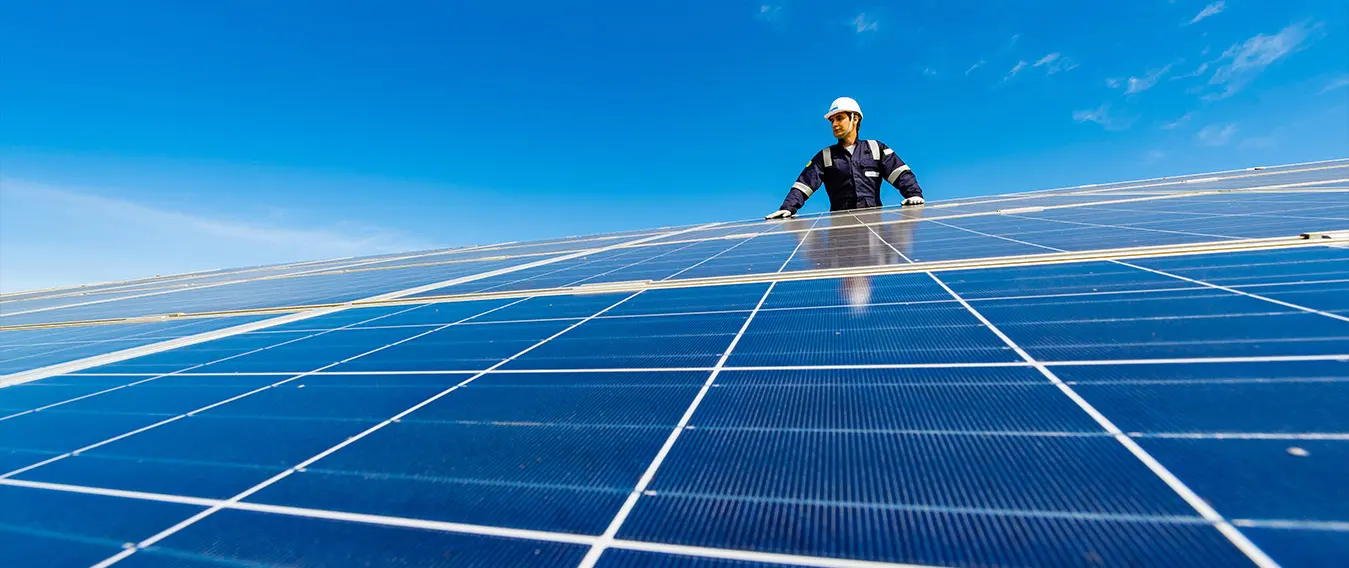
You thought you knew all about it but solar energy (still) has a lot of surprises in store.
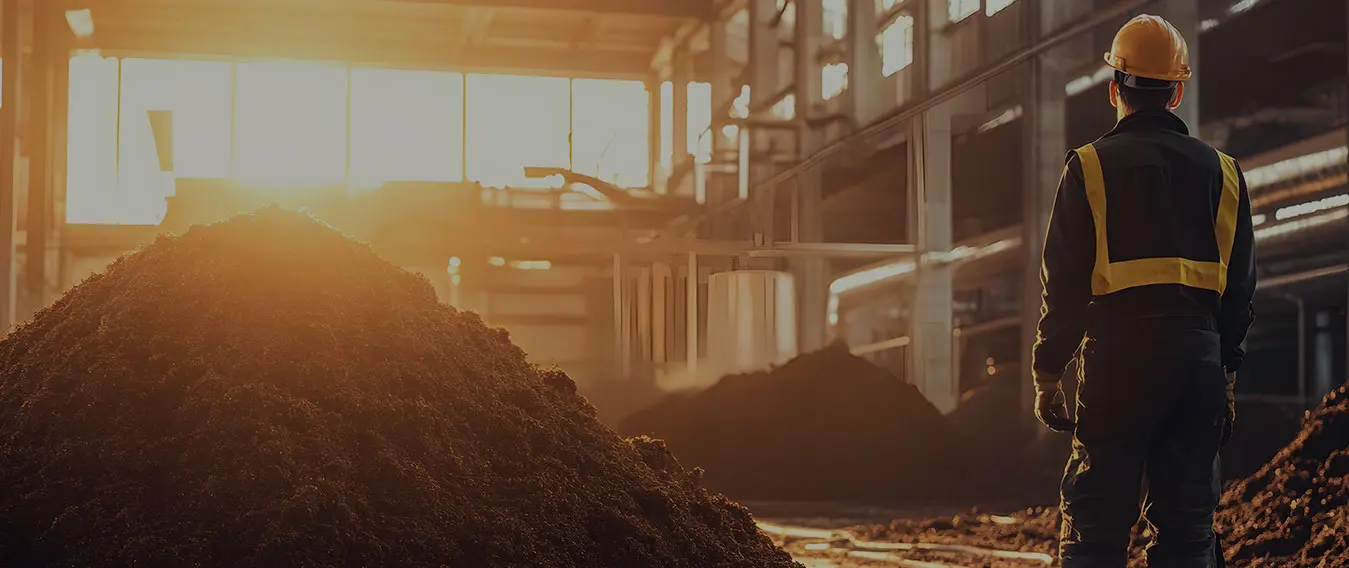
Methanization is a mature process for producing biogas, which involves promoting the breakdown of organic matter, both animal and/or plant-based, to generate a gas mixture made up of 50 to 65% methane. Agricultural methanization is a rapidly growing sector as it lies at the intersection of local and circular economies and the energy transition.
Derived from organic materials, biogas addresses the challenges of decarbonization and energy independence while enabling regions to develop ecosystems around agricultural waste. Its many applications, from digestate as fertilizer to biomethane injected into gas networks, make biogas a key resource in the energy transition.
CO<sub>2</sub> emissions, energy transition, rising energy prices… These are words we hear every day in the media, prompting us to rethink how we consume energy.

Want to become an expert on renewables? Here are five key things to know about hydroelectricity. Here we go!
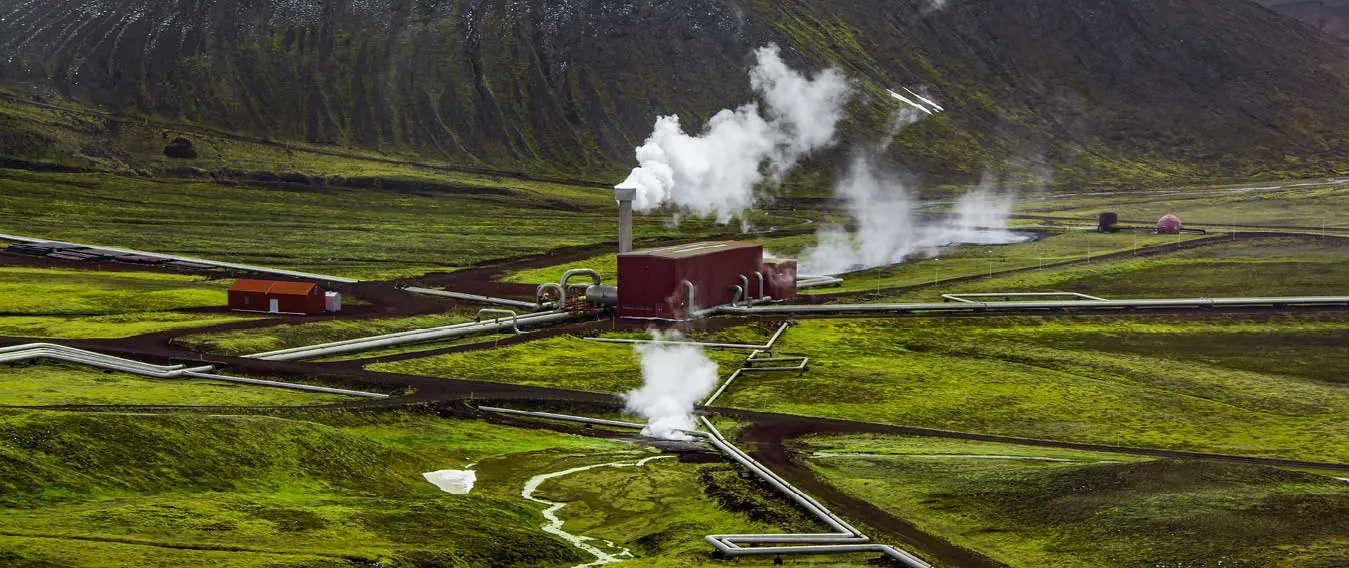
A local, sustainable resource, geothermal energy produces heat, refrigeration, and electricity.

ENGIE has made flexibility a strategic lever to achieve the energy transition. It is essential to ensure grid stability and maximize the potential of renewable energy in a context of growing demand.
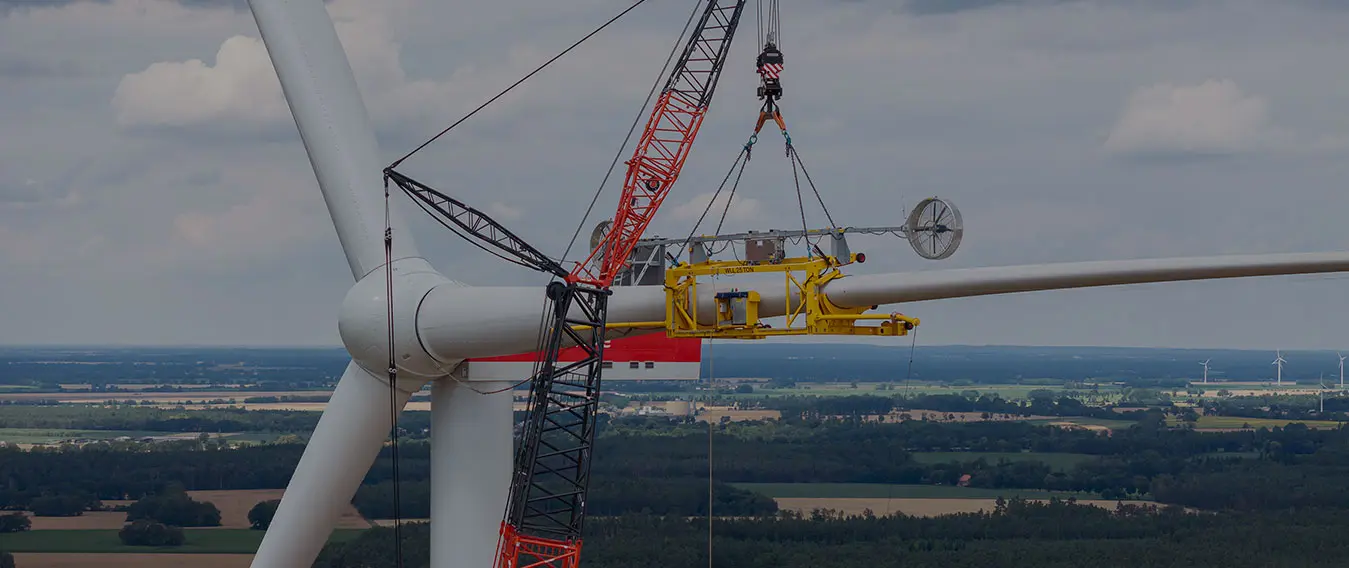
Repowering wind turbines means dismantling older ones and replacing them with next-generation models that are generally more powerful and efficient. This approach increases energy production without adding more turbines or occupying additional land. In most territories that have hosted wind farms for years, repowering projects are widely welcomed.
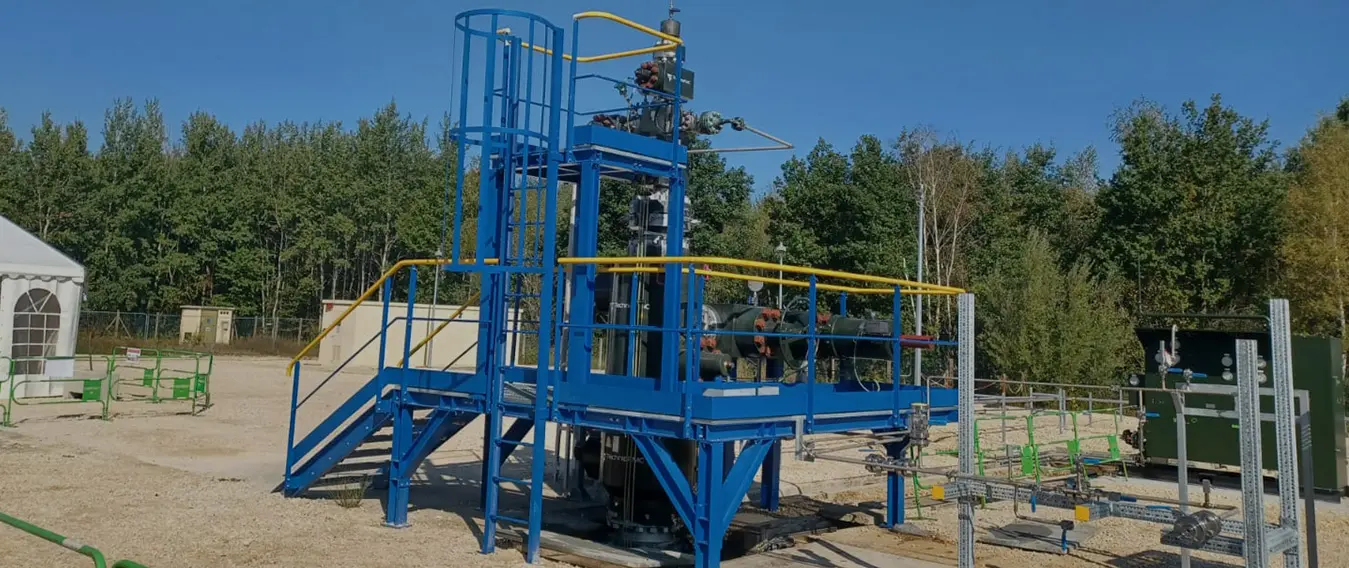
It's been a great topic of discussion at ENGIE since 2021, and now it's here! HyPSTER, the first renewable hydrogen storage demonstrator in a salt cavern, was officially inaugurated on September 15th. This highly anticipated project, supported by the European Union and the Clean Hydrogen Partnership, paves the way for the creation of an industrial sector for renewable hydrogen storage.
Let’s take a look at alternative fuels and their definitions in order to better master the language of sustainable mobility!
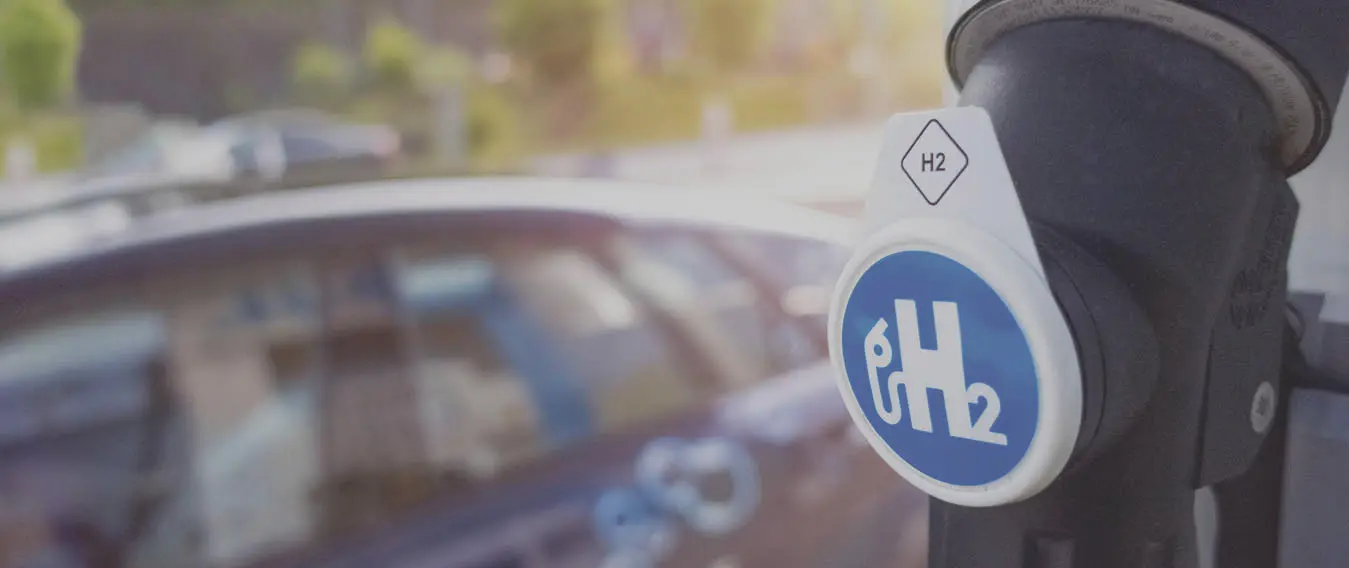
Green hydrogen is a real avenue for the future of carbon-free mobility because its use generates neither pollutant emissions nor noise pollution.
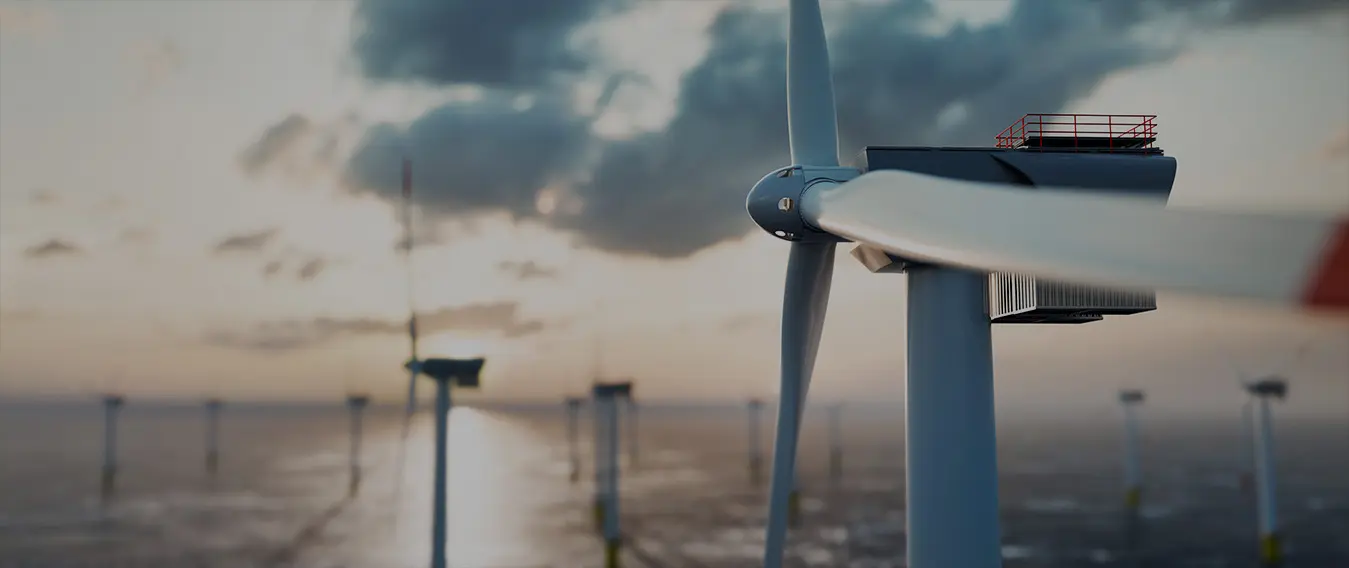
The Group is further developing its offshore wind energy through Ocean Winds, the 50/50 joint venture owned by ENGIE and EDP Renouvelables.

Green energy based on a now mature technology – offshore wind power – is at last beginning to really take off all around the world. But how do these offshore wind turbines work? What are their advantages? And what can we expect in the coming years? Decoding keys…
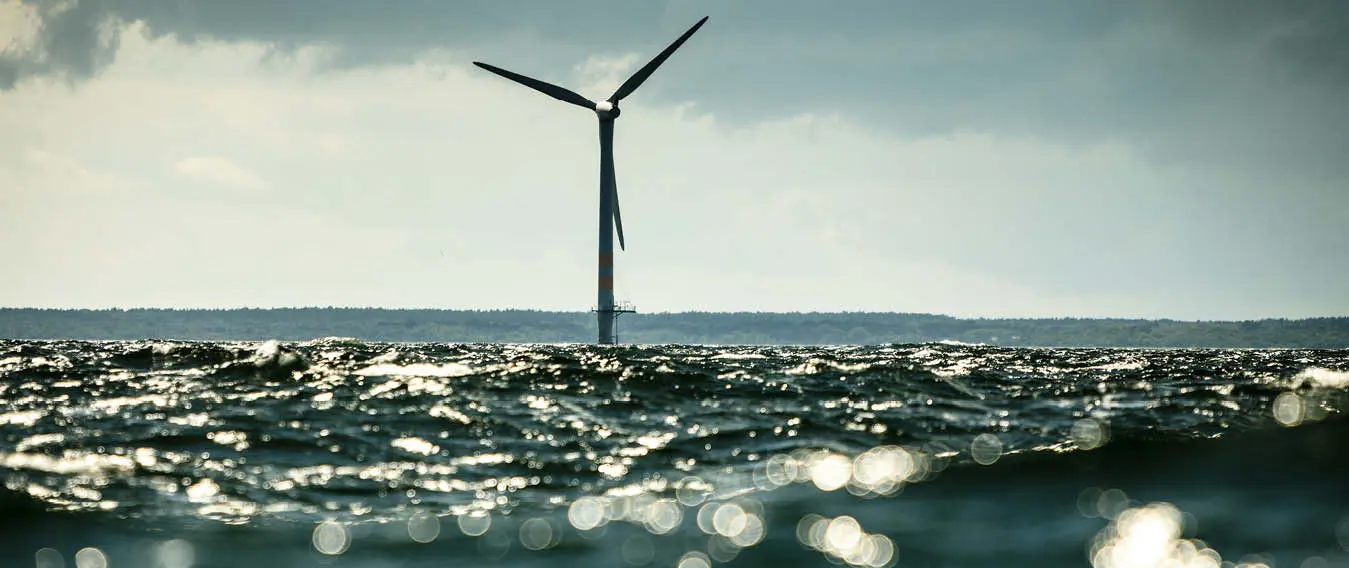
Energy from the open sea… Thanks to offshore wind farms, this sustainable and inexhaustible energy source is transformed into electricity. Want to know more about this energy that has everyone talking? There you go!
Decarbonization is at the heart of ENGIE's strategy: the Group announced that it avoided 25 million tons (Mt CO2e) of greenhouse gas emissions for its clients in 2023 and aims for 45 Mt CO2e by 2030. What solutions and innovations does ENGIE use to support its clients? Frank Lacroix, ENGIE's Deputy CEO in charge of Energy Solutions activities, explains.
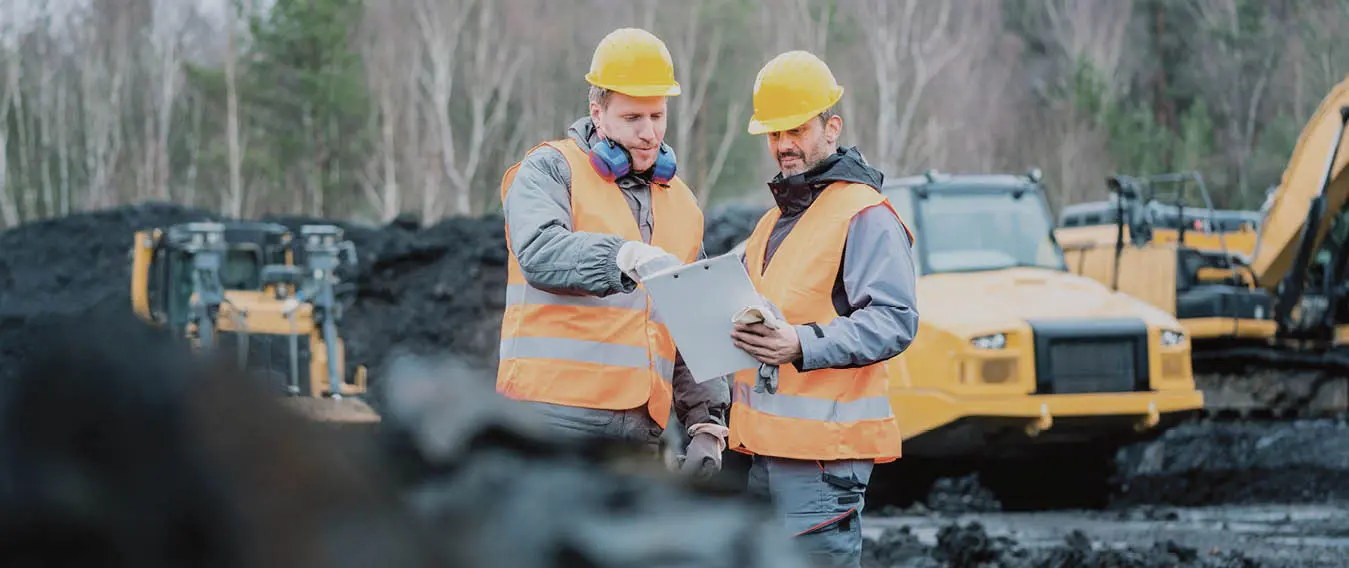
Can green hydrogen help to significantly reduce the mining industry's carbon footprint? Yes, because it can be used as a fuel for heavy-duty vehicles, an energy source for generating "hydrogen electricity" to power production processes, and a raw material for making explosives. It has caught the interest of the mining industry for all these reasons, and ENGIE is strategically placed to advise and support industry players. Here we explain all, with a focus on some ongoing projects.

Hydrogen is an ultra-light gas that can be used to fuel cars, trains and ships without producing any pollution at all. Could hydrogen be the missing link of carbon neutrality? At ENGIE, we are convinced that it is. Five reasons to believe in hydrogen.
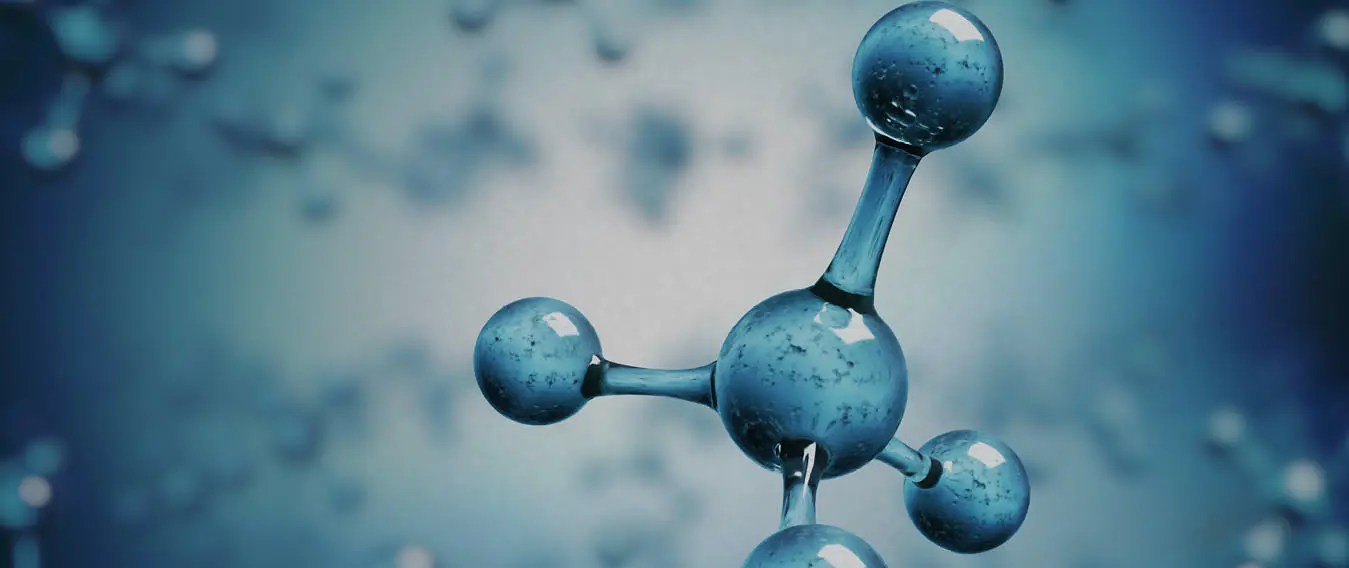
Whether low-carbon or renewable, hydrogen is the key to the new energy mix.

From green electricity to electrolysis, here's how green hydrogen is produced.
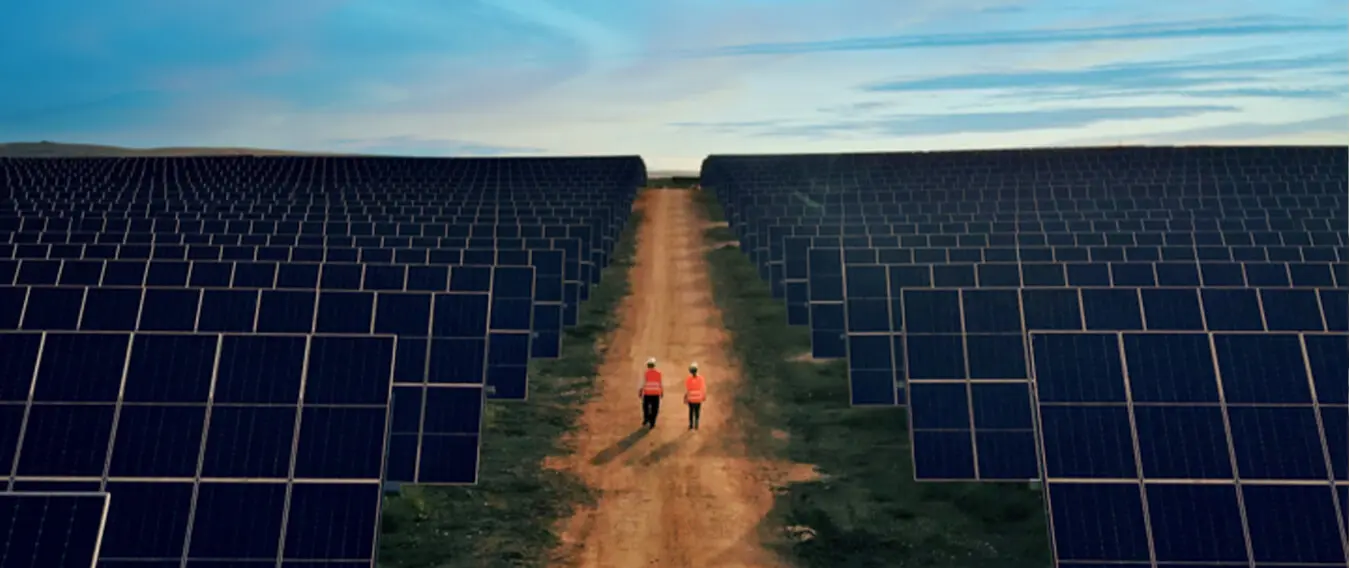
ENGIE is helping leading tech companies secure their energy supply while reducing their carbon footprint.

Everyone can shift part of their energy use, ease pressure on the power system, and support the use of decarbonized electricity… while also lowering their bill.

ENGIE is seeing its individual shareholder base diversify, particularly among younger people and women. The Group is implementing a financial education strategy aimed at renewing its shareholder base.
A documentary shedding light on the energy transition debate in France Available exclusively on TF1+ starting December 15, 2025
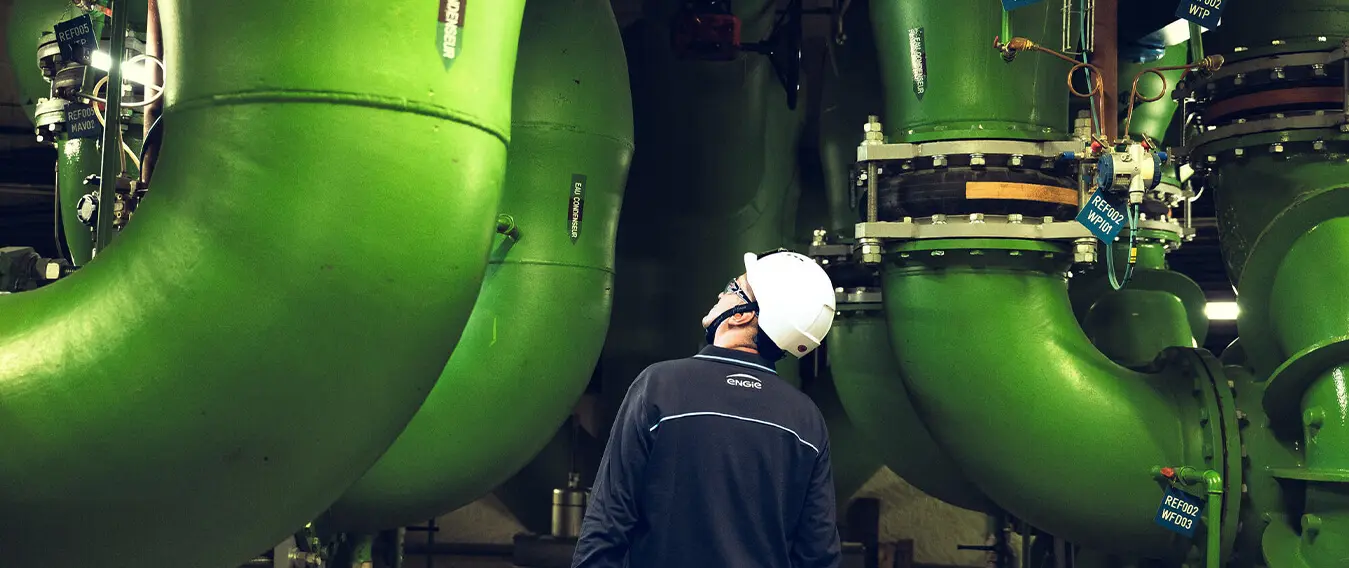
With heatwaves becoming more frequent, longer, and more intense across Europe and other parts of the world, urban cooling has returned to the forefront of public debate. Once seen as a matter of comfort, providing relief from extreme heat is now a public health issue. As the world’s leading operator of district cooling networks, ENGIE has developed valuable expertise in improving the efficiency of cooling systems and reducing their environmental impact.
Find instantly answers to your questions
What do you want to do?