




ENGIE, a hydroelectricity player for over a century
Hydroelectricity, the world’s leading source of renewable electricity, accounts for 48% of global renewable electricity production, ahead of wind (28%) and solar (18%). This technology plays a vital role in security of supply thanks to its low-carbon and highly flexible production, which can be mobilised in just a few minutes to meet the needs of the power system.
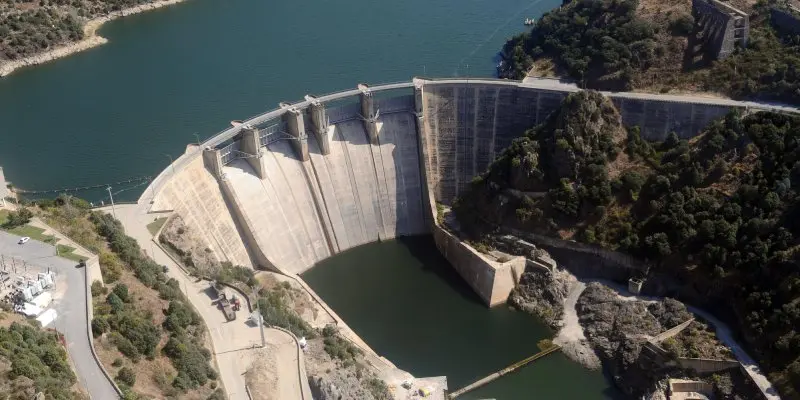
ENGIE operates a hydroelectric park with more than 20 GW of installed capacity (equivalent to 20 nuclear reactors). Our power plants are located in nine countries: Belgium, Brazil, Chile, France, Germany, Peru, Portugal, Spain and the United Kingdom. Active in this field for over a century, we rely on proven expertise in hydraulic engineering, covering the entire value chain – from design to performance optimization, including operation, maintenance and plant safety.
Thanks to precise production management (dispatching) and its ability to store energy – notably via pumped-storage power plants – hydroelectricity enables the absorption of excess production when electricity demand is low and its rapid release during peak consumption periods. It therefore ensures grid stability and supports the development of other decarbonized energy sources.
Hydroelectricity contributes to our objective of reaching 95 GW of installed renewable and storage capacity by 2030. It is a key lever for decarbonization, flexibility and security of supply for regions.
Hydroelectricity at ENGIE
Producing electricity from water
Our hydroelectricity production is based on two types of facilities:
Run-of-river power plants
These facilities harness the natural flow of rivers. Their output depends on river discharge: water is diverted, drives a turbine and is then immediately returned to the river, with limited impact on water levels and the hydrological regime, i.e. the natural seasonal flow pattern. They operate continuously, producing stable and predictable electricity directly correlated with seasonal variations in river flow.
Reservoir power plants with storage dams
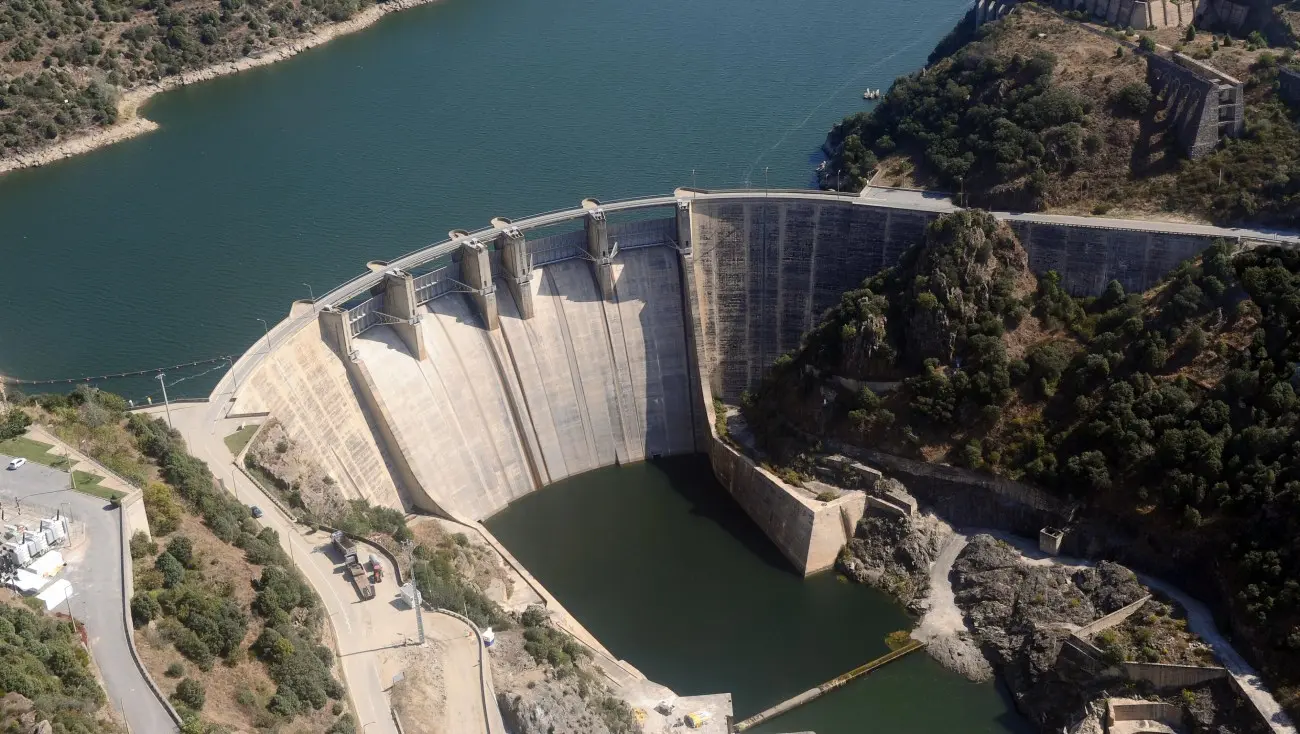
These plants store water in a natural or artificial reservoir, generally located in mountainous areas, and release it to generate electricity when demand increases. They take advantage of significant elevation differences, hence their designation as high-head plants.
Production relies on water naturally available within the catchment area. These facilities provide renewable, dispatchable and reliable electricity, contributing to the balance between supply and demand.
Providing flexibility through hydroelectricity
We also operate pumped-storage power plants (PSP), consisting of two reservoirs located at different elevations.
During periods of low electricity prices, water is pumped from the lower reservoir to the upper reservoir. This pumping process helps absorb surplus production from the power grid. The water can then be released to generate electricity during peak demand periods.
A pumped-storage plant differs from a conventional reservoir plant in its ability to pump water uphill when electricity is abundant, in order to release it later when demand increases.
Discover how the Coo pumped-storage power plant in Belgium operates, where turbines can pump water back to the upper reservoirs. (French version only)

Discover First Hydro Company, ENGIE’s UK subsidiary, which operates the Dinorwig and Ffestiniog power plants.

Our hydroelectric facilities around the world
France
France’s second-largest hydroelectricity producer, ENGIE generates 25% of the country’s hydroelectricity through two complementary subsidiaries: Compagnie Nationale du Rhône (mainly run-of-river assets) and Société Hydro-Électrique du Midi (mainly reservoir assets).
Belgium
ENGIE operates the Coo-Trois-Ponts pumped-storage power plant. With an installed capacity of 1,089 MW, this facility is currently undergoing modernization.
United Kingdom
Through our subsidiary First Hydro Company, we operate the Dinorwig and Ffestiniog power plants (Wales), with a total installed capacity of 2,088 MW. ENGIE is carrying out a major refurbishment program representing approximately €1.2 billion in investment to extend their operating life by at least 25 years and secure their key role in balancing the UK power grid.
Portugal
ENGIE operates the second-largest hydroelectric portfolio in Portugal, with 1.7 GW of production capacity under a 45-year concession. The portfolio includes three pumped-storage plants in operation and three refurbished run-of-river plants.
Germany
Our portfolio combines flexibility and responsiveness with three hydroelectric plants: Tanzmühle (combined pumped-storage 31 MW / run-of-river 3.3 MW), Reisach (pumped-storage 106 MW) and Trausnitz (run-of-river 1.8 MW).
Brazil
The country’s leading private power producer, ENGIE operates 14 hydroelectric plants, including the Jirau run-of-river dam (3,450 MW), the Estreito plant (1,087 MW), and the Jaguara (424 MW) and Miranda (408 MW) plants.
Peru
We operate two hydroelectric plants: Yuncán (installed capacity of 134.5 MW) and Quitaracsa (total installed capacity of 117 MW).
Chile
We led the construction of the Laja hydroelectric plant, Chile’s first run-of-river facility, located on the lower section of the Laja River. A turbine system installed at the foot of the dam avoids diverting the river and minimizes environmental impact, making this site a unique project in Chile.
Spain
ENGIE, through its subsidiary Electro Metalúrgica del Ebro (EMESL), is responsible for the operation and maintenance (O&M) of all the hydropower plants in its portfolio. We operate 20 hydropower plants across Spain.
Our hydroelectric facilities in pictures


Discover also
Find instantly answers to your questions
What do you want to do?