




Our vision
for the energy transition
The energy transition addresses the climate, economic, and geopolitical challenges of our time. At ENGIE, we are convinced that it can give rise to a decarbonized, reliable and affordable energy system. And to make it happen, all low-carbon energies have a role to play.
The energy transition is a movement already underway across all continents, addressing the greatest challenges of our time: protecting our planet, strengthening sovereignty and enhancing countries’ competitiveness.
Meeting the climate challenge
Tackling climate change is essential to securing our future – for public health, biodiversity, prosperity, social justice and peace. As energy players, we have been committed since 2015 to playing a leading role in the global effort to reduce CO2 emissions. In 2020, this commitment became our purpose: “act to accelerate the transition towards a carbon-neutral economy, through reduced energy consumption and more environmentally-friendly solutions.
Developing energy sovereignty
The 2022 energy crisis, and more recently the conflict in the Middle East, have highlighted the vulnerability of economies reliant on imported fossil fuels, underlining the urgent need to diversify energy supplies and develop locally produced energy. These efforts are key to strengthening the resilience of energy systems and ensuring better control over associated costs.
Boosting economic competitiveness
By enabling access to affordable decarbonized energy and creating new opportunities for innovation, expertise and employment, the energy transition is a major driver of industrial and business competitiveness. It is a powerful lever for growth, performance and attractiveness across economies.
Combining the electron and the molecule
At ENGIE, we are convinced that all decarbonized energies will be needed to build a reliable and affordable energy system for all. We believe in the alliance between the electron and the molecule – between electricity and gas, increasingly decarbonized. Electrification, combined with flexibility solutions, is one of the key levers of decarbonization. But it cannot meet every need. We will also need molecules for certain industrial sectors such as steelmaking and chemicals, as they can be more easily transformed, stored and transported than electrons. Tomorrow, renewable gases such as biomethane, hydrogen and its derivatives will play a pivotal role in decarbonizing our economy.

Decarbonizing Europe by 2050 at the lowest cost
Based on ENGIE’s 2050 decarbonization roadmap for Europe, renewable energies will account for the vast majority of power generation – around 85% of the electricity mix in Europe and 68% in France.
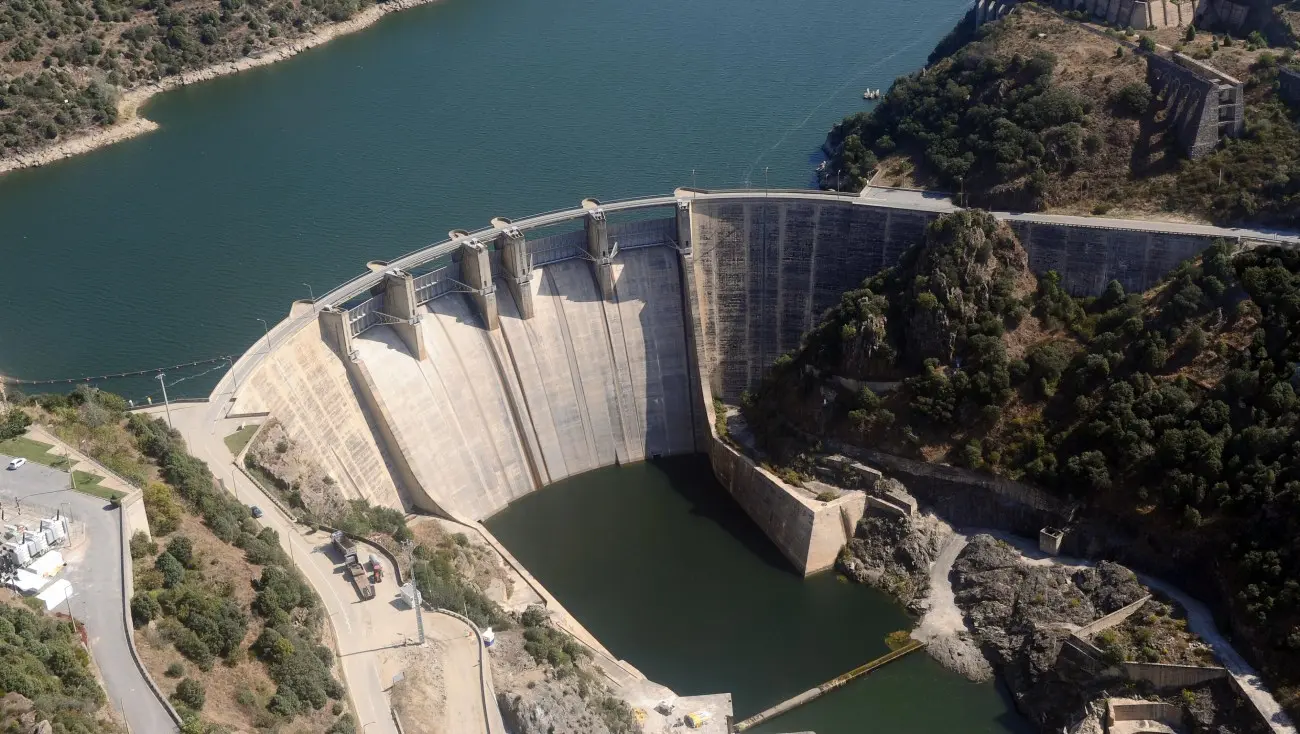
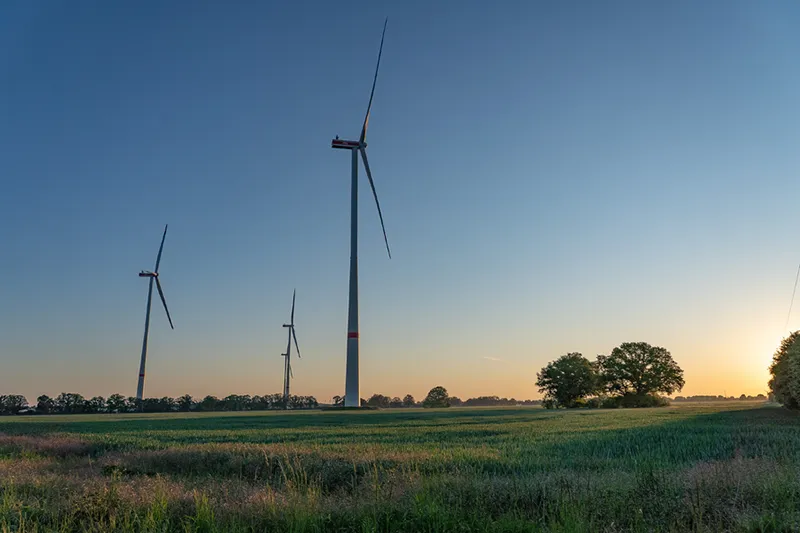
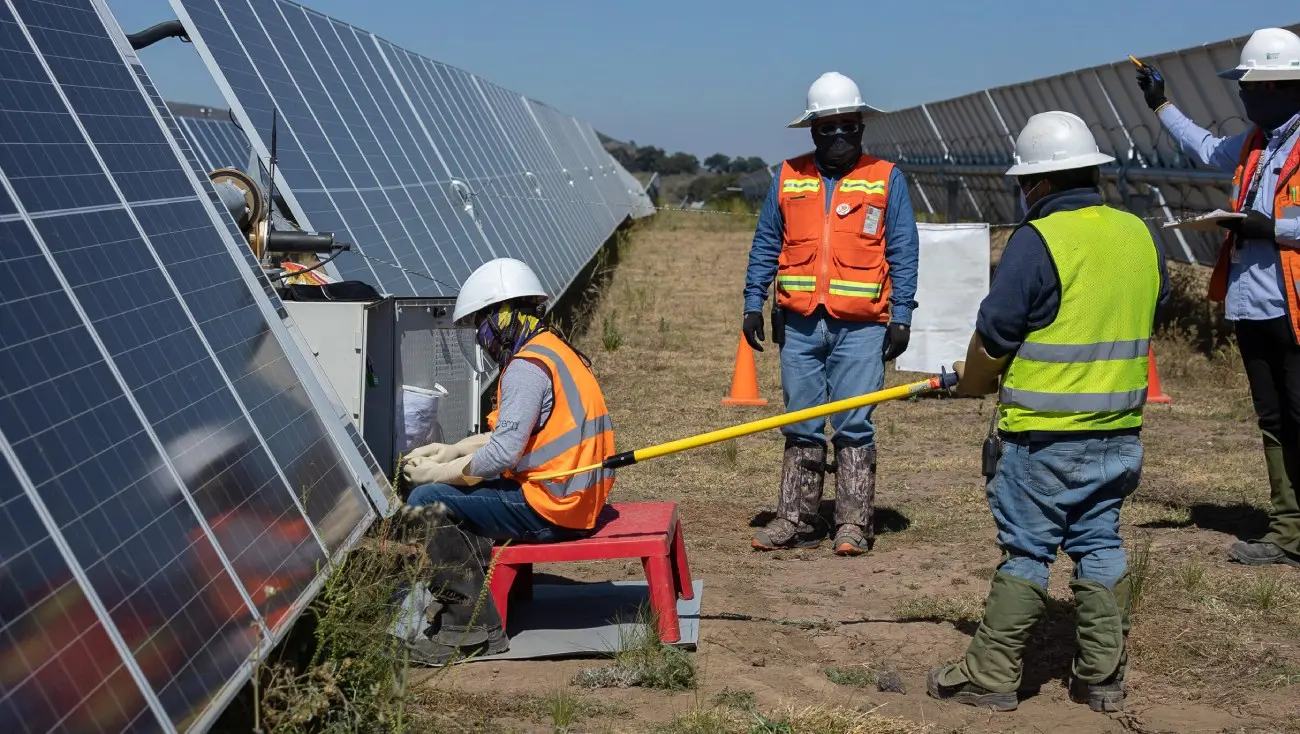
Achieving these European targets will require multiplying renewable energy production (solar, wind, hydro) by 5.5 times (and by 6 times in France), and flexibility solutions – such as battery storage – by 4.5 times to balance supply and demand. Such solutions are essential to avoid over-dimensioning generation capacity.

Ensuring a just and inclusive transition
The energy transition will only succeed if it benefits everyone and leaves no one behind. This is our commitment to our employees, suppliers, clients and the territories we support through these transformations. We ensure that every project creates value for the energy system and our customers, and that economic benefits are shared among all stakeholders. That is the key to ensuring the long-term sustainability of our actions.
From vision to action

Invest in renewable energies
Large-scale investments in renewables to increase our green electricity and green gas production capacities.
Develop flexibility solutions
Balance the intermittency of renewables and ensure system resilience during demand peaks with batteries, pumped-storage hydro plants and high-efficiency gas-fired power plants.
Strengthen electricity networks
Support rapid electrification by developing robust and intelligent grid infrastructures tailored to new needs.
Decarbonize gas
Bring the molecule into the low-carbon era with biomethane, hydrogen and derivatives for non-electrifiable uses.
Discover also

Find instantly answers to your questions
What do you want to do?