

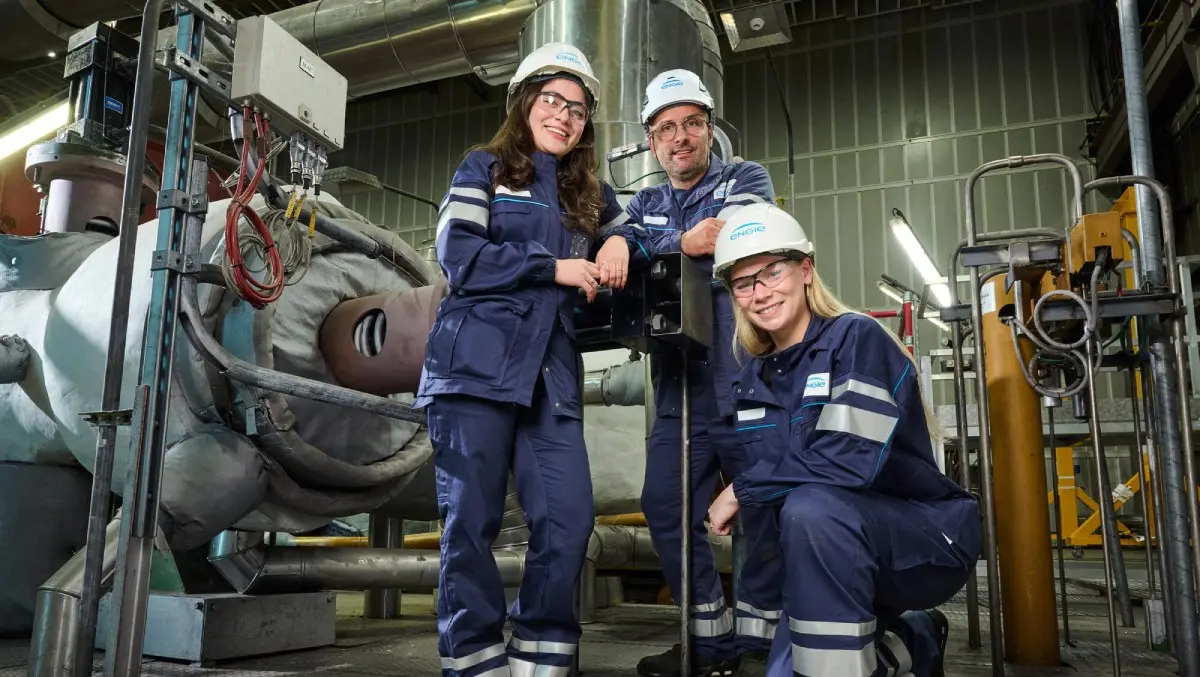



Renewable and flexible production to support the energy transition
ENGIE is a global leader in renewable energy production and low-carbon flexibility solutions. Around the world, we develop, build and operate wind, solar and hydroelectric projects, renewable gas production facilities, as well as thermal solutions (gas and desalination) and storage systems (pumped-storage hydropower and batteries). Our ambition: to support the growing electrification of uses, contribute to the decarbonization of the energy mix, and ensure the security and reliability of energy systems.
Electricity demand is increasing much faster than overall demand for other energy sources, driven by the rise of new uses: air conditioning and heating, low-carbon mobility, the development of AI, the multiplication of data centers, etc.
This dynamic is accompanied by a rapid expansion of renewable energy. In 2025, renewables generated more electricity than coal worldwide – a historic first.
For uses where electrification is not possible, ENGIE is developing renewable gases – biogas, biomethane and renewable hydrogen – in order to provide low-carbon solutions suited to all sectors.
Leveraging its integrated model, ENGIE operates across the entire value chain of renewable energy and flexibility solutions: design, development, engineering, stakeholder consultation, operation, maintenance, marketing… through to asset decommissioning.
ENGIE, a leader in renewable energy

Designing and operating renewable power capacity tailored to each region
Drawing on our recognized expertise, we develop energy projects of all sizes – from large-scale international operations to more local solutions – with a single commitment: tailoring each project to regional needs and specific characteristics.
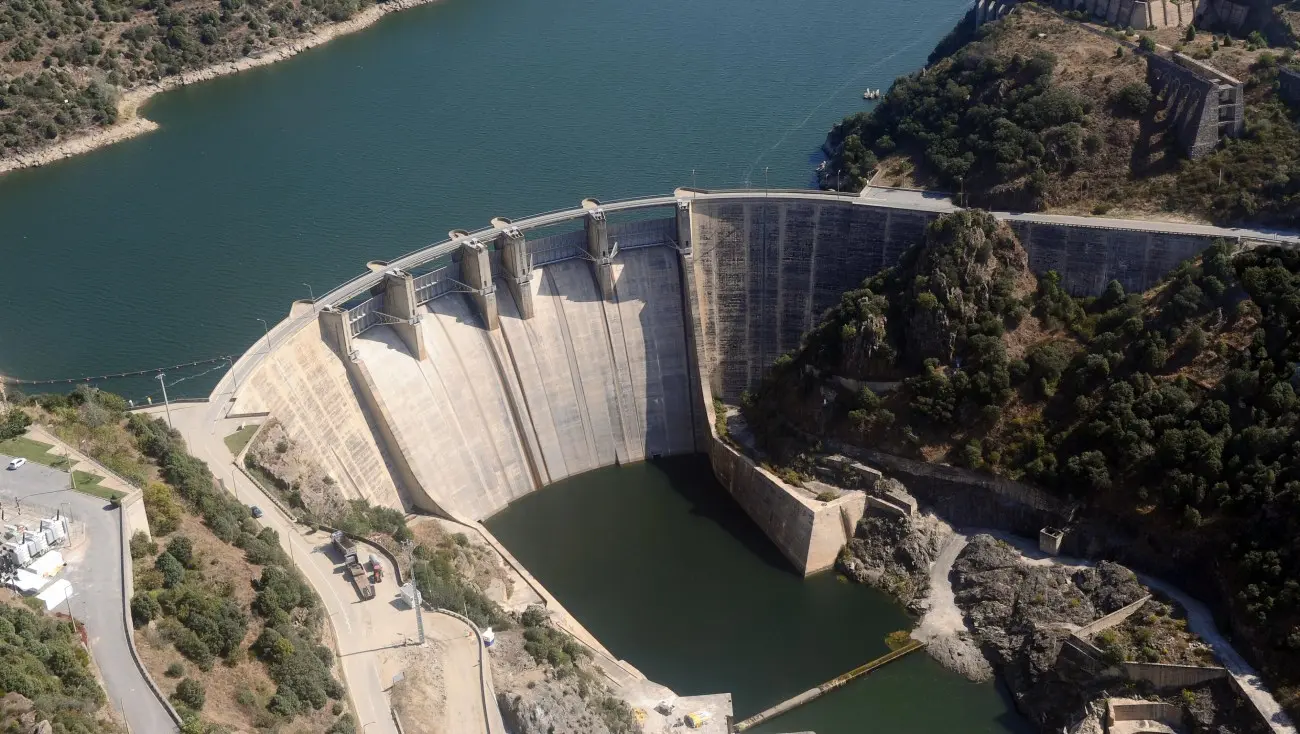
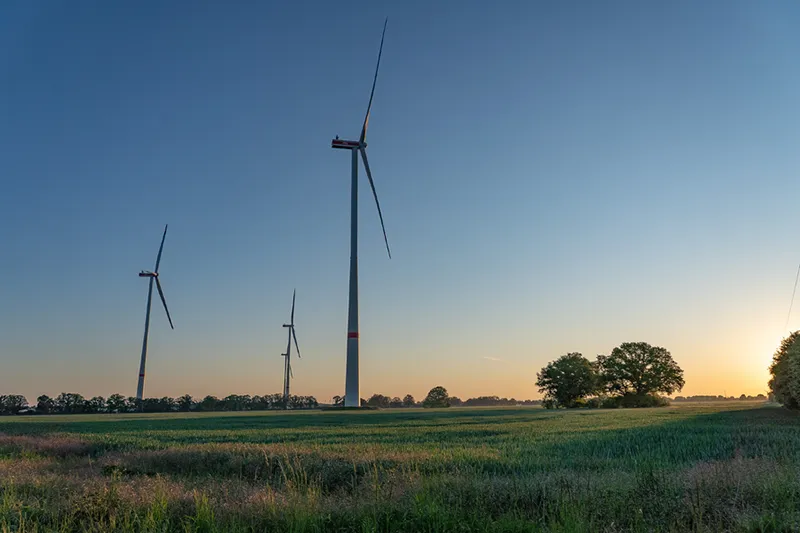
The Khazna solar project (1.5 GW), currently under development, will supply approximately 160,000 households in Abu Dhabi. The Serra do Assuruá onshore wind farm in Brazil (846 MW) is one of the largest in Latin America. The Moray West offshore wind farm will cover 50% of Scotland’s electricity needs. The Jirau hydropower plant (3.7 GW) produces the equivalent of the consumption of more than 10 million households. The Vilvoorde battery park in Belgium (200 MW / 800 MWh) is a European benchmark in large-scale energy storage.
All of these achievements demonstrate our ability to deploy energy infrastructure that is essential to the energy transition and security of supply, while developing projects in consultation and co-construction with local stakeholders.

Aerial view of ENGIE’s Hazelwood battery farm in Australia.
Renewables and flexibility: an inseparable approach
The rapid expansion of solar and wind power – whose output depends on weather conditions – makes it essential to deploy flexibility solutions capable of balancing electricity grids in real time.
In addition to renewable energy, ENGIE mobilizes a broad range of flexibility solutions: battery storage, a technology experiencing rapid growth worldwide; pumped-storage hydropower, and open-cycle and combined-cycle gas-fired power plants, used in a targeted manner.
Together, these solutions absorb variations in production and consumption, ensure continuity of electricity supply, and optimize the operation of energy systems.

Installed renewable electricity capacity, thermal production and storage capacity of ENGIE as of June 30, 2025
At the end of 2025, ENGIE’s renewable energy production, storage (batteries and pumped-storage hydropower) and flexibility capacities total 103 GW.
Supported by a diversified project portfolio representing 121 GW, ENGIE aims to reach 95 GW of installed renewable and storage capacity by 2030, compared with 57 GW at the end of 2025. This trajectory illustrates ENGIE’s ambition to play a leading role in transforming power systems worldwide.

ENGIE Biomethane Facility, Gorst, United Kingdom
Green gases, an essential source of decarbonized energy
ENGIE is convinced that only the combination of molecules and electrons can ensure a reliable and affordable energy transition. We contribute to the development of renewable and low-carbon gases (link), which are essential to decarbonizing sectors that are difficult to electrify.
In biomethane, ENGIE is targeting, by 2030, 50 TWh per year of production capacity connected to gas networks in France, as well as 10 TWh per year of production in Europe. ENGIE has also set a target of developing 4 GW of green hydrogen production capacity by 2035, serving industry, heavy mobility and energy storage. Finally, we are adapting our gas networks to support the growth of biomethane (link to Activities / Gas Distribution page).
The development of these sectors addresses several challenges: strengthening energy security, decarbonizing industry, recovering waste and organic residues, and supporting economic activity in regions, particularly rural areas.

What do you want to do?