

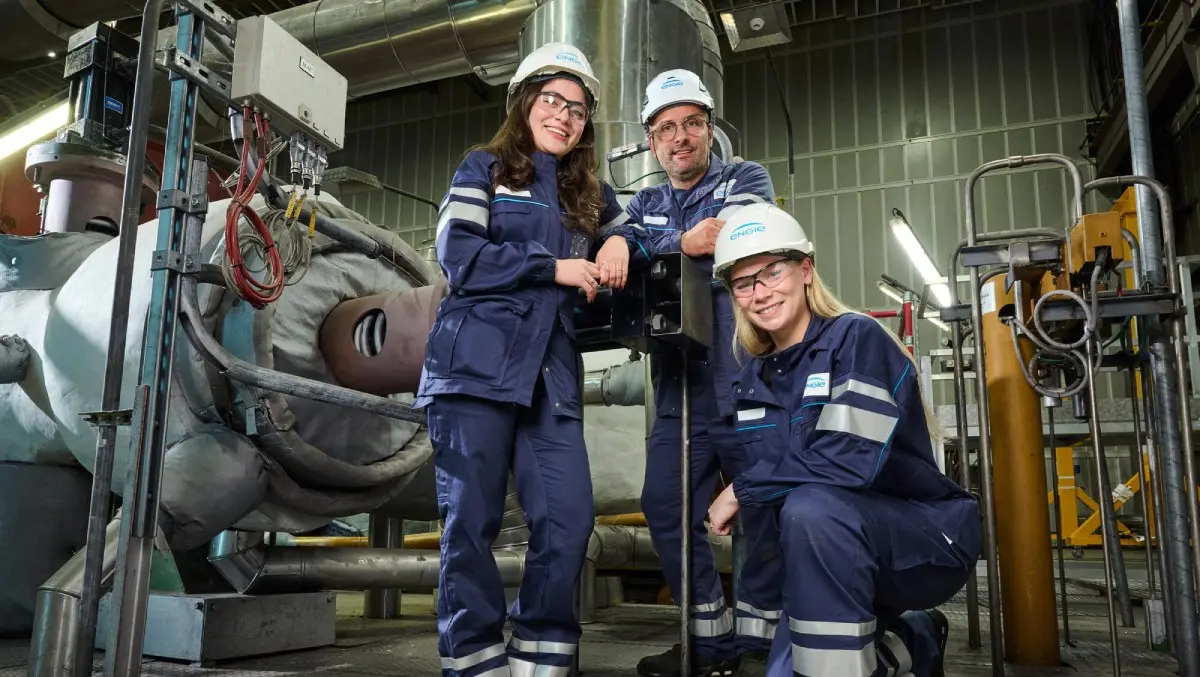



Our strategy to accelerate the energy transition
Our strategy sets the Group on a Net Zero Carbon trajectory by 2045. With this roadmap, we reaffirm our ambition to be the best energy transition utility.
A pioneering shift
2015. With the Paris Agreement, 196 countries adopted a common framework to limit global warming. As the energy sector stands on the front line of this challenge, ENGIE aims to play a central role in this global movement.
In 2020, this ambition became our purpose, enshrined in our bylaws:
“ENGIE’s purpose is to act to accelerate the transition towards a carbon-neutral economy, through reduced energy consumption and more environmentally-friendly solutions.”
The time for commitment
2021 marked a decisive turning point with the presentation of our strategic plan. This new direction translated into a clear priority given to investments supporting the energy transition, and a refocusing of the Group on its core business as an energy company and a reduced number of key geographies.
We aim to become a leader in the energy transition, relying on a balanced energy mix in which gas and electricity complement each other to ensure a reliable and affordable energy transition.
It was also in 2021 that we announced our ambition to achieve Net Zero Carbon by 2045, five years ahead of other players in our sector, across our entire value chain (Scopes 1, 2 and 3), in line with a well-below 2°C trajectory. This trajectory requires full alignment between our value creation model and our purpose, and now guides all of our strategic decisions.
This involves:
Phasing out coal
Ending all new investments in coal and gradually withdrawing from our coal-fired power plants.
2025: full exit in Europe.
Objective by 2027: full exit worldwide.
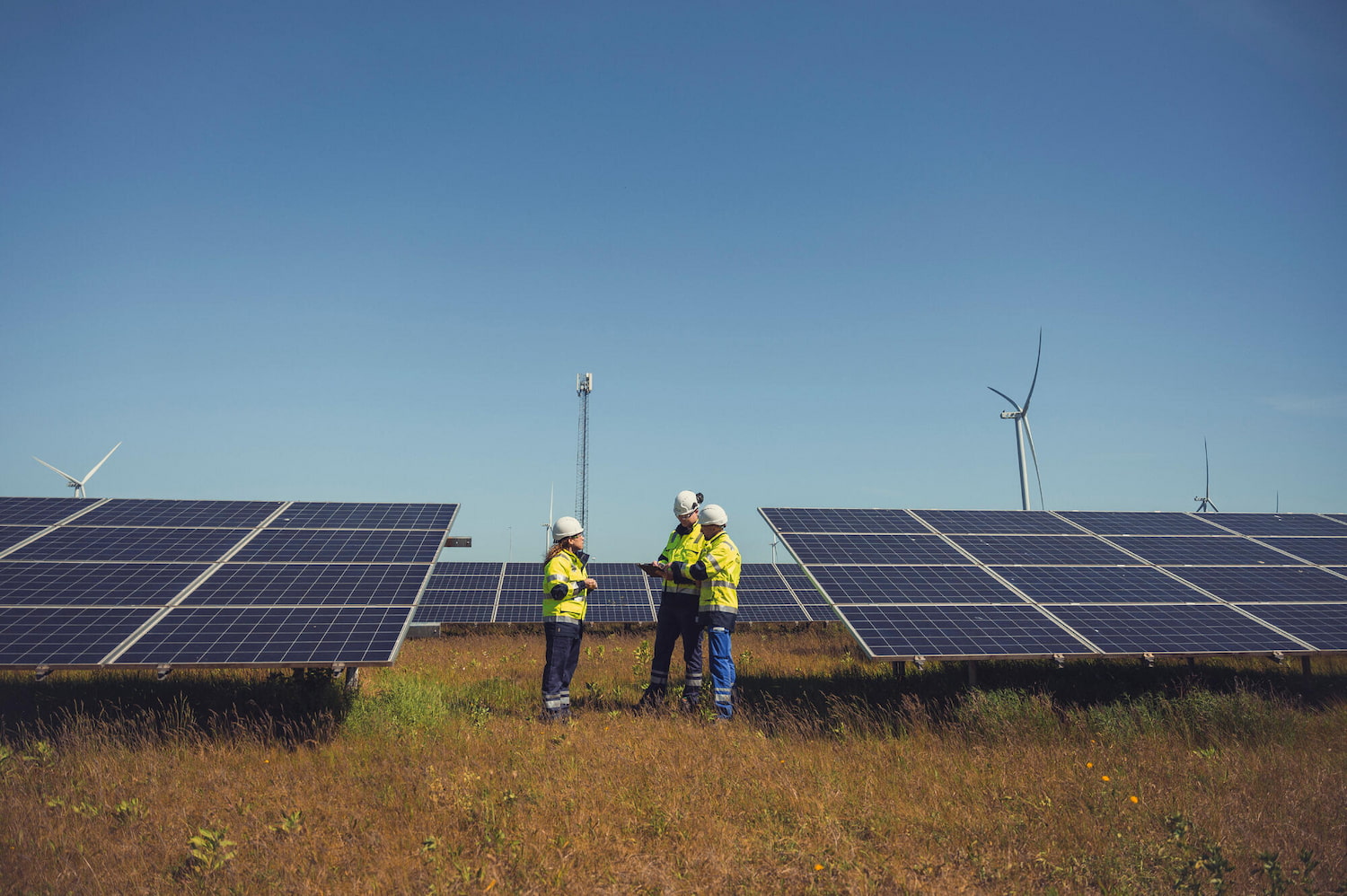
Scaling up our renewable capacities
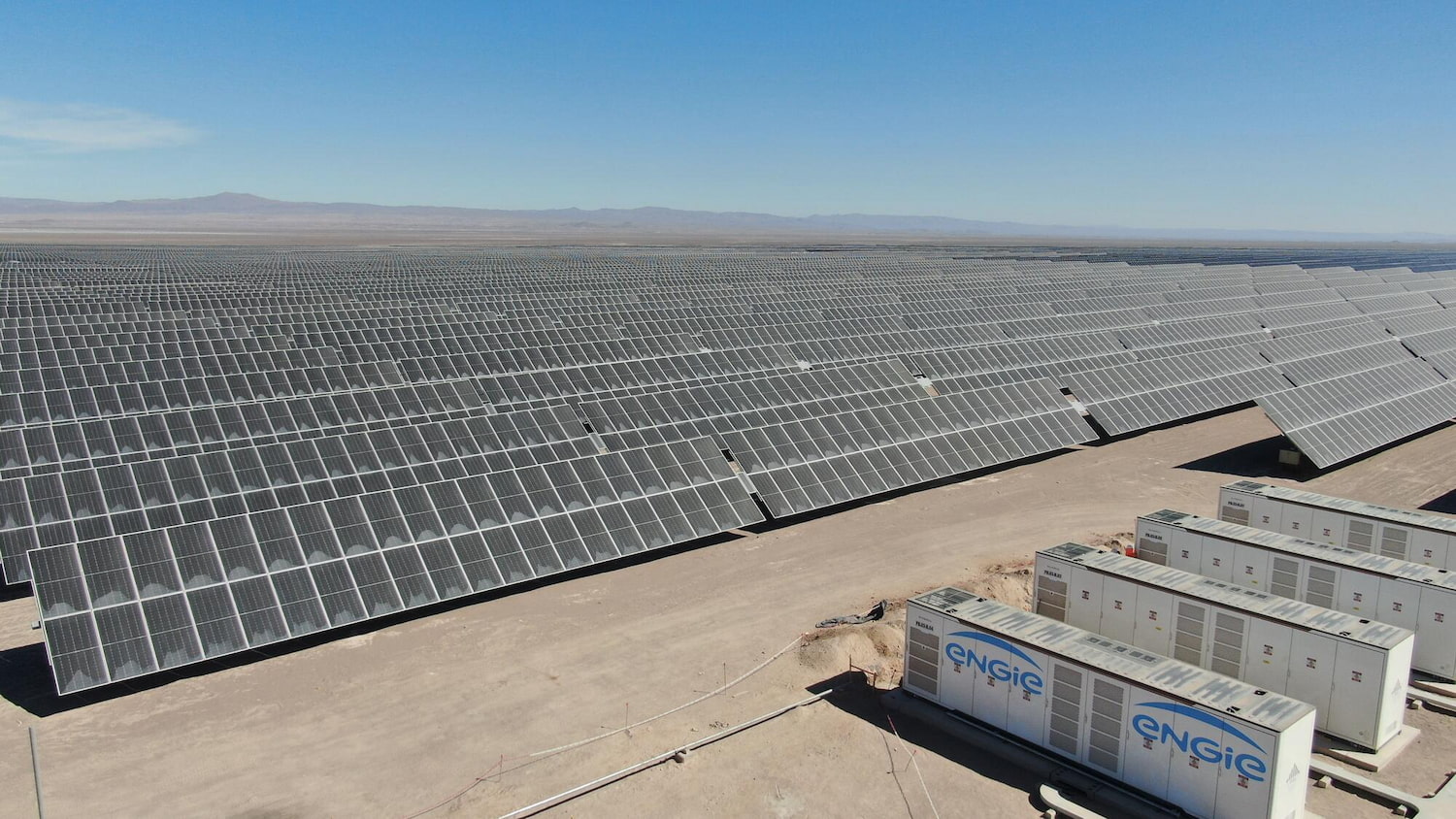
Achieving a step change in renewable energies and rebalancing the Group towards electrical infrastructures, with a structuring choice: developing battery storage.
Refocusing on our core business
Concentrating on 30 key countries and on our historical expertise as an energy company. This redeployment led to the creation of EQUANS, bringing together our energy services activities, which were sold to the Bouygues Group in 2022.
Climate: a Net Zero Carbon trajectory covering all Group emissions (Scopes 1, 2 and 3)
By adopting this trajectory, the Group commits to reducing its direct and indirect greenhouse gas (GHG) emissions by at least 90% compared to 2017. We also rely on the development of carbon sinks to neutralise our residual emissions over the long term.
In addition, this Net Zero Carbon trajectory commits us to supporting our customers in reducing their own GHG emissions.
In 2025, we updated our climate strategy to make it even more comprehensive, clearer and more ambitious, with:
- a 55% reduction in total GHG emissions by 2030 compared to 2017,
- the definition of intermediate milestones for 2035 and 2040,
- the integration of a component dedicated to adaptation to climate change.
Our priorities to accelerate the energy transition
Investing massively in renewable energies and flexibility solutions
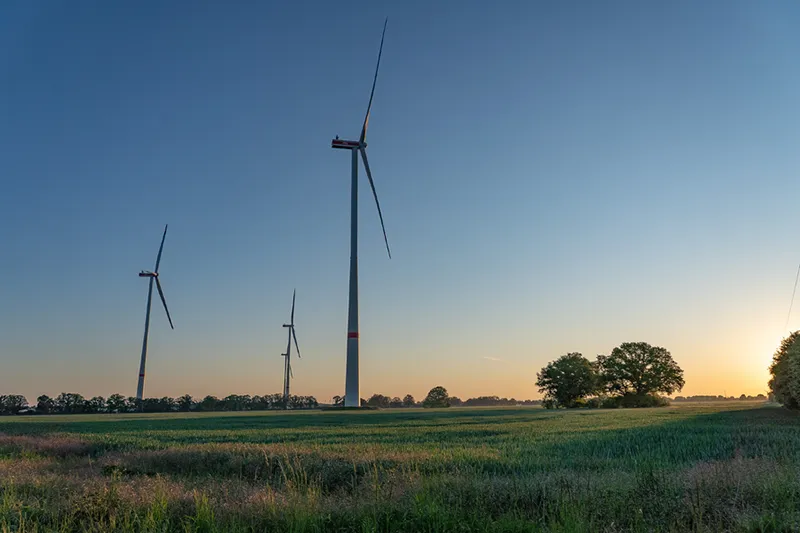
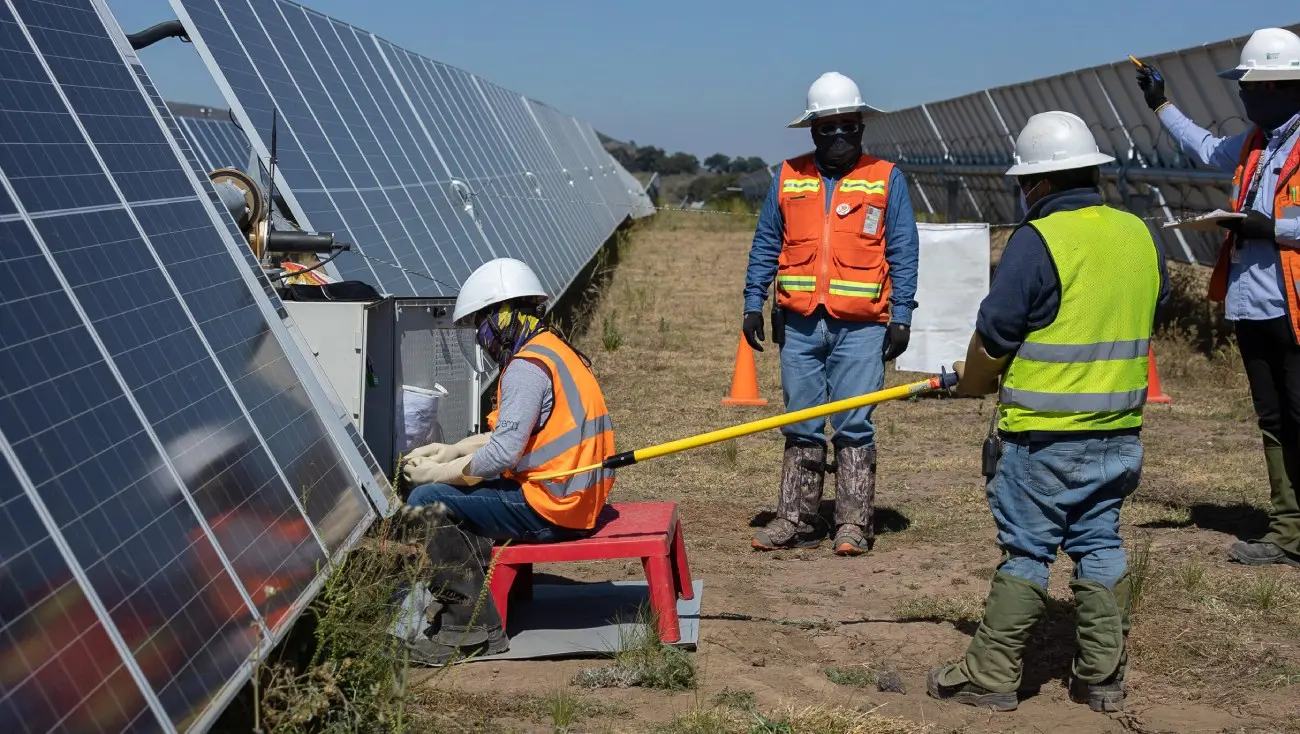
Between 2023 and 2025, we invested €13–14 billion in onshore wind, offshore wind and solar energy. In 2025, our installed renewable and storage capacity reached 57 GW.
We plan to add an average of 7 GW of new renewable and storage capacity per year between 2025 and 2030, to reach our target of 95 GW by then.
Thanks to digitalisation and artificial intelligence, we manage and optimise energy production and delivery to generate power when demand is highest, as close as possible to end uses.
Flexibility solutions maximise the potential of renewable energies by storing electricity when it is abundant and demand is low, and reinjecting it during peak consumption periods.
We recognised early on the importance of developing these solutions to ensure the stability and balance of decentralised power grids. This was notably reflected in the acquisition, in 2023, of Broad Reach Power, a US company specialising in battery storage activities.
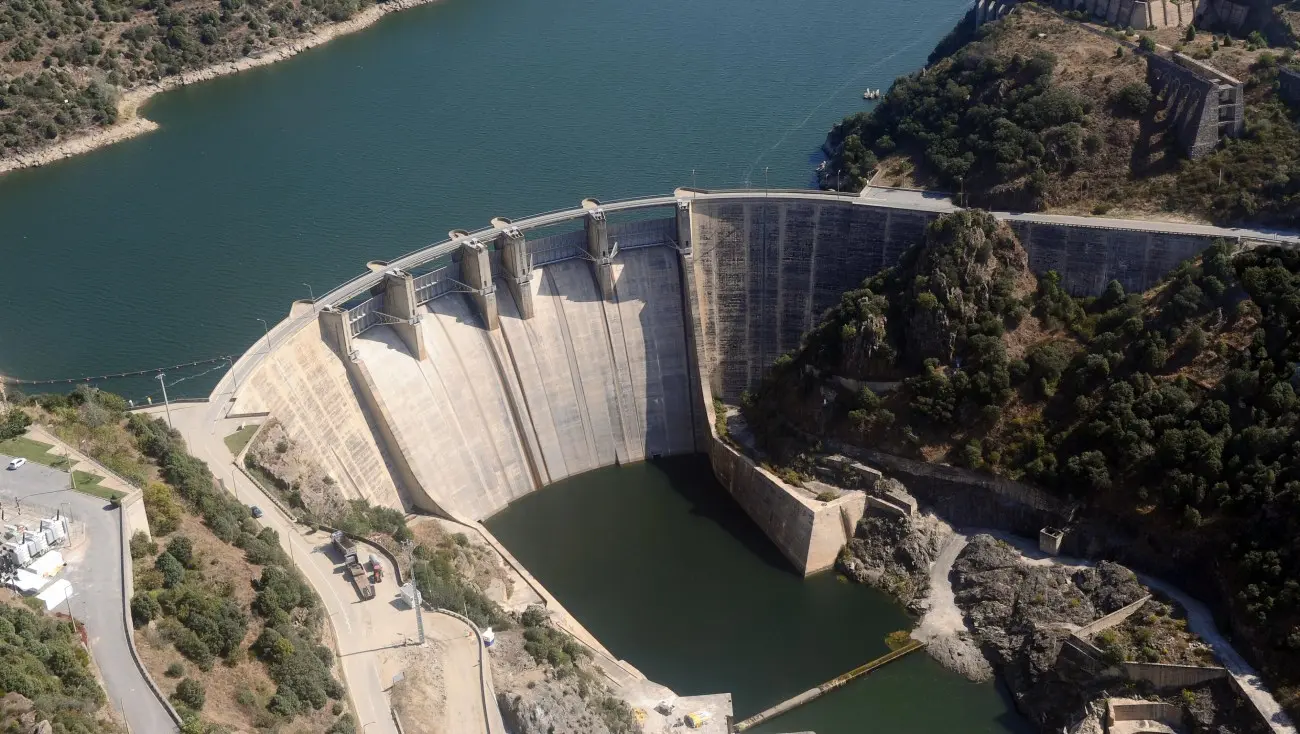
Today, we are deploying batteries at scale and continuing to invest in other flexibility tools, such as ultra-efficient gas-fired power plants that can now operate using hydrogen, and pumped-storage hydropower facilities.
Developing electricity networks
Internationally, we develop electricity transmission to support the energy transition, modernise and strengthen power grids, and connect renewable energy production areas with consumption zones.
In Latin America, we are continuing to expand these activities and aim to reach 10,000 km of transmission lines by 2030, compared with 5,400 km and 38 electrical substations at the end of 2024.
Europe offers us the opportunity to rebalance our regulated activities from gas to electricity by strengthening our positions in electricity distribution. In February 2026, we announced the acquisition of the UK’s leading electricity distribution company, UK Power Networks, which delivers 71 TWh of electricity per year to 8.5 million customers through a network of nearly 192,000 km. This acquisition is a major milestone for ENGIE, positioning us at the heart of electrification and power grid growth – two key drivers of the energy transition.
Decarbonising gas
Because molecules are essential to a decarbonised and competitive energy system, ENGIE is committed to producing renewable gases, including biomethane and synthetic gas.
We are also adapting our infrastructures so they can integrate green molecules: biomethane, hydrogen and e-molecules.
Objectives: connect 50 TWh per year to ENGIE’s network in France by 2030 and produce 10 TWh per year of biomethane in Europe.
Our ambition: to be the best energy transition utility
Being a utility means fulfilling a public-interest mission for society as a whole.
Becoming the best utility also means being the reference energy company, supported by a robust economic model, a diversified geographical footprint and a balanced energy mix.
Becoming the best energy transition utility by 2030 means playing a decisive role by providing the countries where we operate with everything needed to ensure access to decarbonised, reliable and as affordable energy as possible.
Our 2030 targets
Investments commensurate with the challenges
To develop the essential components of tomorrow’s energy system, we plan €12 billion of investments per year on average between 2026 and 2028, dedicated to renewables, batteries and infrastructures.
A value-creating transition
Our trajectory only makes sense if it creates value for everyone. Project after project, we ensure that our actions deliver tangible impact for the market and our customers, while sharing economic benefits with all our stakeholders—this is the condition for the long-term sustainability of our action.
Discover also

Find instantly answers to your questions
What do you want to do?