


Focus on ENGIE’s activities in the Netherlands
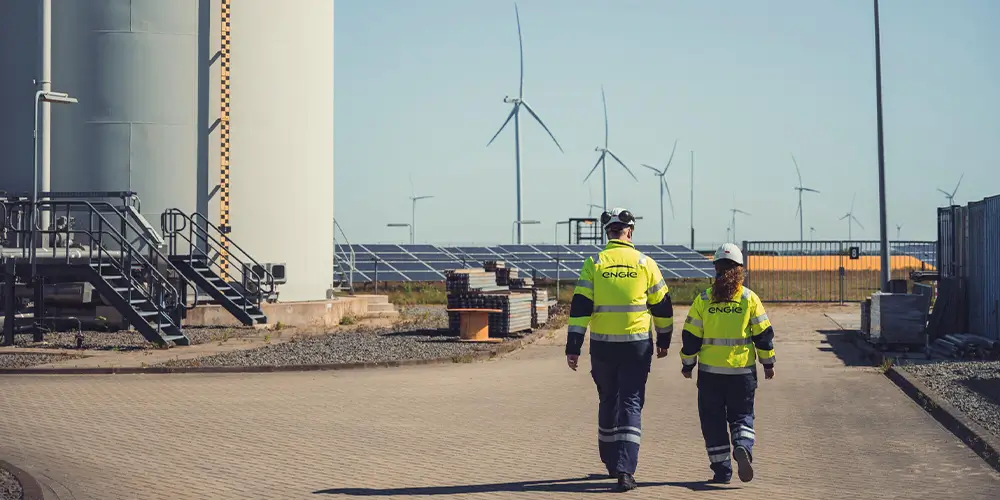
ENGIE plays a key role in transforming the Dutch energy system. As a major power producer, we deploy a comprehensive portfolio of solutions—including renewable energy, grid flexibility, energy storage, green gases, and hydrogen—to support the transition toward a fully decarbonized electricity mix by 2035.
Key figures
|
What is ENGIE’s position in the Netherlands?
ENGIE is a key player in the Dutch energy landscape. In a country that has long depended on natural gas, which still accounted for 37% of energy supply in 2024, according to the International Energy Agency (IEA), we are helping drive the transition toward a low-carbon energy model.
With 3 GW of installed generation capacity, ENGIE contributes to the flexibility of the power system, supports the rapid expansion of renewable energy, and helps ensure security of supply.
We also support major energy consumers through tailored solutions combining energy supply, flexibility, risk management, and decarbonization.
What activities does ENGIE operate in the country?
ENGIE’s strategy is built around four main pillars:
1. Flexible power generation and power plant modernization
To strengthen grid stability as wind and solar generation continue to expand rapidly.
2. Renewable energy development
Solar and wind projects designed to meet the needs of industrial customers.
3. Green gases
Through strategic assets in Hardenberg and Alkmaar, ENGIE is developing growing volumes of biogas injected into the national gas grid.
4. Flexibility and energy storage solutions (BESS)
Notably through the Lelystad battery project (35 MW), one of the largest battery storage systems in the country.
Why are the Netherlands a priority country for ENGIE?
The Netherlands aims to achieve a fully decarbonized electricity system by 2035. This rapid transition is based on three key drivers:
- The large-scale development of offshore wind power;
- The growing use of green molecules (hydrogen and biogas) to store energy and generate electricity when needed;
- Large-scale energy storage solutions to ensure grid reliability.
Thanks to its technical and industrial expertise, ENGIE is positioning itself as a key partner in developing, securing, and operating these new infrastructures.
What makes the Dutch market unique?
The Netherlands must simultaneously manage:
- A rapid reduction in natural gas dependency;
- Accelerated electrification;
- Massive integration of renewable energy.

The Netherlands aims to fully decarbonize its electricity generation by 2035. Offshore wind, green molecules such as hydrogen and biogas, and battery technologies will be the key pillars of this transition.
Harry Talen, Country Manager, ENGIE Netherlands
Why is it necessary to expand electricity and gas networks?
The transformation of the Dutch energy system requires accelerated modernization to:
- Connect renewable generation hubs (particularly offshore wind) to consumption centers;
- Deploy storage capacity to manage the variability of solar and wind generation;
- Upgrade power plant turbines so they can operate on blends of natural gas and hydrogen, immediately reducing CO₂ emissions;
- Connect green gas production facilities to the network.
ENGIE invests in these critical infrastructures to ensure system stability, security of supply, and the large-scale deployment of clean energy.
What are ENGIE’s strategic priorities in the Netherlands over the next five years?
- Accelerate the decarbonization of our customer portfolio, particularly industrial customers.
- Develop large-scale solar, wind, and hydrogen projects.
- Increase biomethane production sevenfold to reach 110 million m³ (960 GWh) by 2030. Production in 2025 stood at 14 million m³, equivalent to 140 GWh.
- Strengthen grid flexibility through battery energy storage systems (BESS).
- Modernize existing power plants to prepare for the arrival of hydrogen.
Three Flagship Projects
Transforming the Maxima power plant
Maxima is the most modern gas-fired power plant in the Netherlands, with an efficiency rate exceeding 60%.
ENGIE is investing more than €40 million to adapt the plant’s second turbine for hydrogen-natural gas co-firing. The first turbine was converted in 2023, a national first in the Netherlands.
Following this upgrade, the plant will be able to operate with up to 50% hydrogen to generate electricity.
This project prepares the entire site for a low-carbon future and supports the national hydrogen development strategy.

Lelystad: a giant battery system to stabilize the grid
This energy storage project is based on 160 battery modules providing a total capacity of 100 MWh.
Built adjacent to the Maxima power plant, it enhances the flexibility of the Dutch power grid. Commissioning was successfully completed in February 2026. The system is now fully operational, improving renewable energy integration and supporting grid stability.
Biomethane at the heart of the Dutch energy mix: Hardenberg and Alkmaar
ENGIE operates two green gas production facilities with a combined annual output of 137 GWh. These are the company’s first biomethane facilities in the Netherlands.
These assets contribute to the Group’s ambition of producing approximately 2 TWh of green gas by 2030.
They help decarbonize a country that has historically been highly dependent on fossil gas.
Their production is injected into the gas network, increasing the availability of low-carbon molecules for industrial uses.
Frequently Asked Questions (FAQ)
What are ENGIE’s main projects in the Netherlands?
The Lelystad battery energy storage system, the Hardenberg and Alkmaar biomethane facilities, and the conversion of the Maxima power plant.
Is ENGIE a major player in the Dutch market?
Yes. ENGIE is the country’s second-largest energy producer, with 3 GW of installed capacity.
Does ENGIE invest in renewable energy in the Netherlands?
Yes. ENGIE develops projects in biomethane, green hydrogen, solar power, wind energy, storage, and flexibility solutions.
What is the Netherlands’ national energy goal?
To achieve a fully decarbonized electricity system by 2035.
What do you want to do?