

Decarbonization: ENGIE supports its clients locally
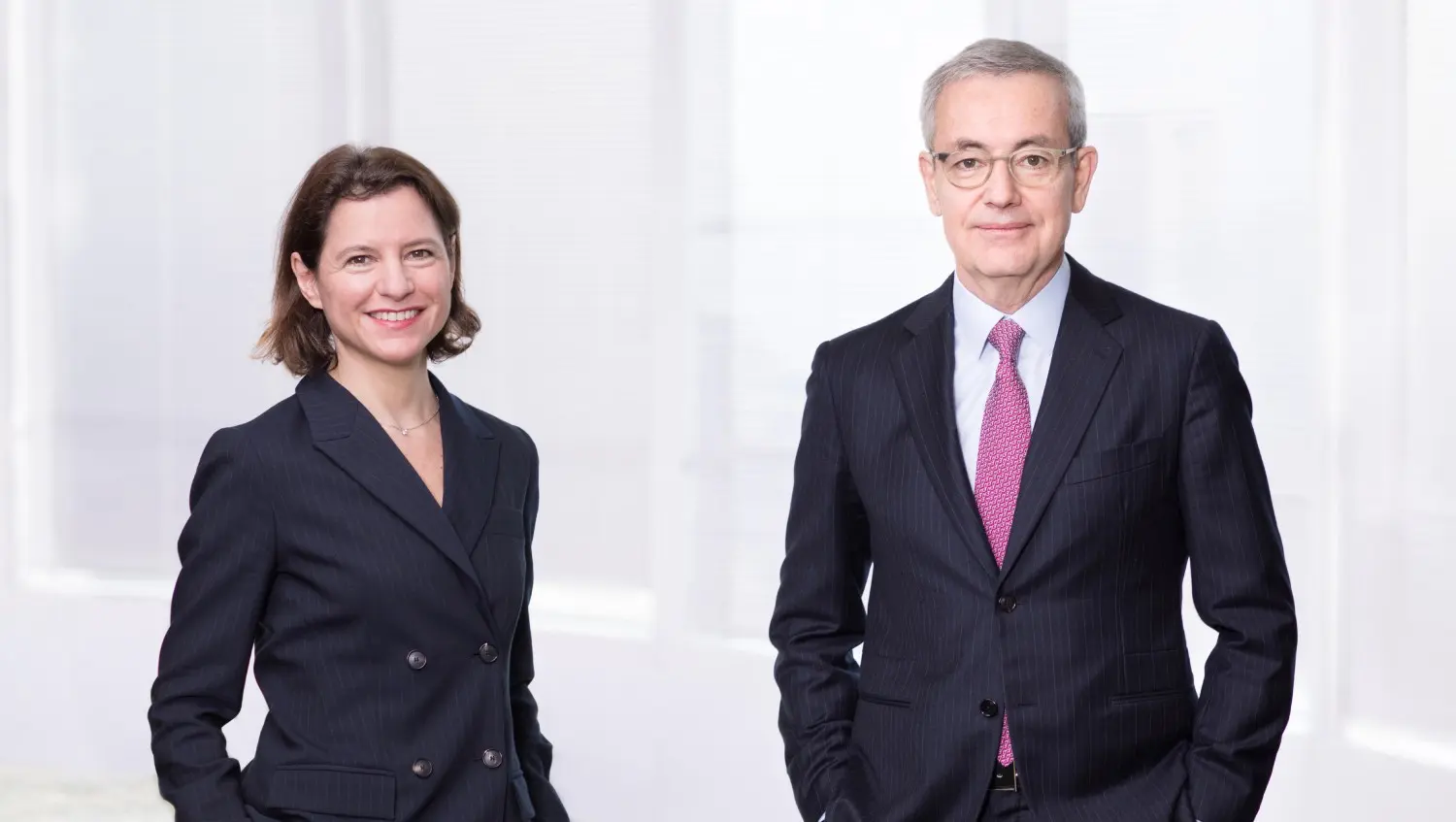
Decarbonization is at the heart of ENGIE’s strategy: the Group announced that it avoided 25 million tons (Mt CO2e) of greenhouse gas emissions for its clients in 2023 and aims for 45 Mt CO2e by 2030. What solutions and innovations does ENGIE use to support its clients? Frank Lacroix, ENGIE’s Deputy CEO in charge of Energy Solutions activities, explains.
- Our clients face challenges in their efforts to decarbonize.
- To best meet their needs, ENGIE has reorganized around three main offerings: local energy networks, on-site energy production, and energy performance services.
- ENGIE is accelerating the hybridization of its offerings (gas, electricity, and flexibility), which sets the Group apart from competitors.
Key numbers

In the field, you speak of headwinds that customers have to face. Can you explain?
Frank Lacroix: The commitments made by public and economic players, by industrial and service sector companies, are huge in their pursuit of highly ambitious decarbonization pathways. Wherever we do business, public policy supports energy transformation.
Yet the difficulties encountered by our customers are very real and some have called the imperative for a swift transition into question, advocating instead a slower adaptation. Indeed, the cost of the investment required is a major obstacle to decarbonization for 47% of Europeans according to a study jointly carried out by ENGIE and the CSA Institute* in March 2024.
We are taking action to help our clients navigate these sometimes-adverse conditions.
- We assist them directly in defining their decarbonization strategy and their roadmap to achieve it.
- We develop energy and CO2 savings programs for them, with long-term commitments on our part.
- We help them leverage their potential for local decarbonized energy production, offering a range of technologies that have been rigorously selected and tested by our experts.
Concretely, what offers does ENGIE provide?
Frank Lacroix: The first family of offers concerns local energy networks. We are talking here about collective infrastructures that produce and distribute heat and cold for buildings, or energy for sustainable mobility, in particular electric mobility with ENGIE Vianeo.
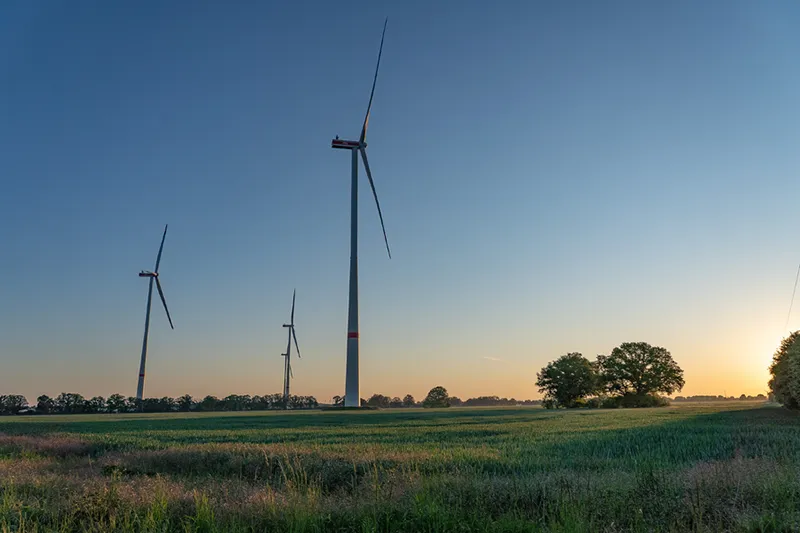
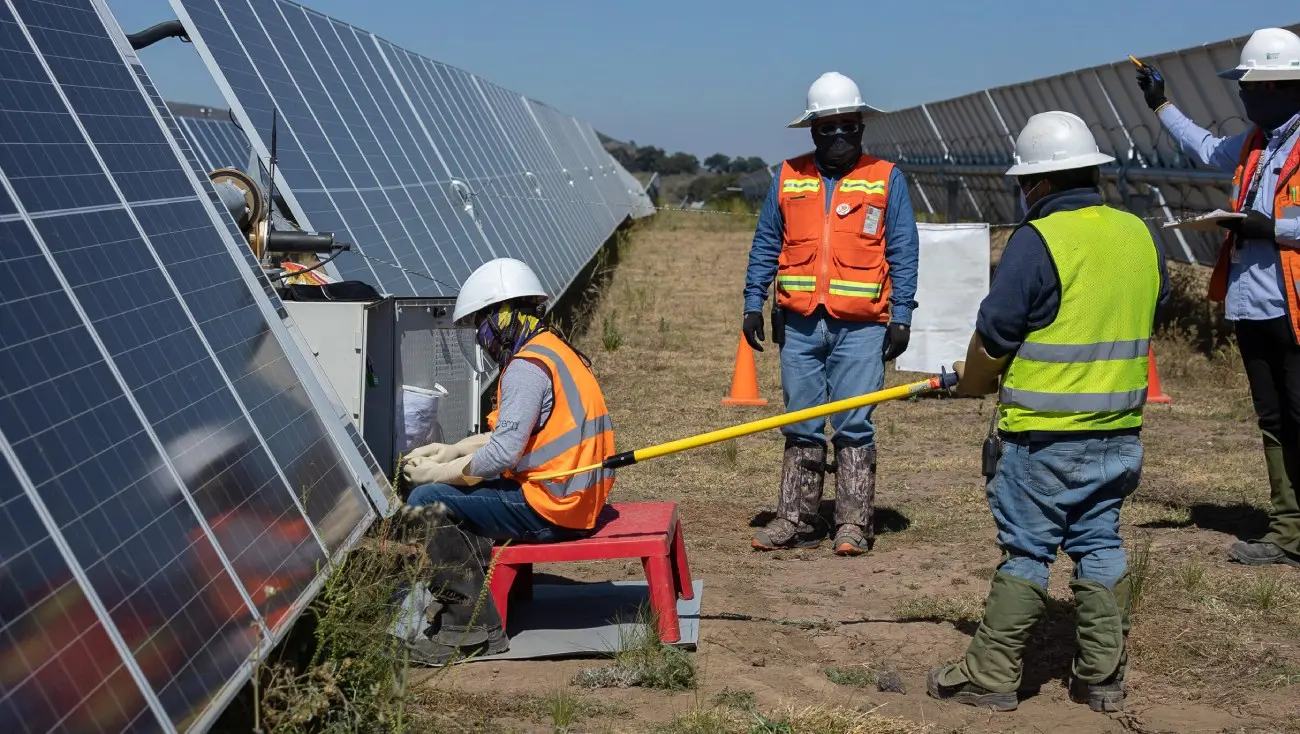
Our second family of offers covers on-site energy production directly on our customer sites based on an optimal combination of energy sources, in particular renewable, local sources such as solar, heat recovery, biomass, in association with new technologies like thermal solar or energy storage.
Lastly, our third family of offers comprises our energy performance and management services. Thanks to these services, our customers benefit from our guarantees of cost and energy consumption reductions as well as lower CO2 emissions by way of a range of sophisticated digital tools that optimize these parameters.
As we see, there’s a trend towards hybridization of the decarbonization offer. Can you confirm ?
Frank Lacroix : Yes, they expect us to have the capacity to offer different types of technologies. This trend has existed for a few years, but we are currently experiencing a strong acceleration in our multi-technology offerings.
What do our clients expect? Energy sovereignty, with the desire to control their energy costs and CO2 impact. Flexibility, to consume and produce at the best times. And finally, visibility on their future energy mix to meet their needs.
Our key strength is that we are a solutions integrator that combines the electron and the molecule, the production of decarbonized energy and waste heat recovery.
We have all the required decarbonization levers to meet our customers’ efficiency and resilience needs.”
* Study involving 10,000 citizens across 10 European countries, (France, Germany, Italy, Spain Portugal, United Kingdom, Poland, Netherlands, Belgium and Romania) carried out in March 2024.
Solutions & business cases… decarbonization in action

Industry: Holcim, towards a less polluting cement
The cement sector is one of the most difficult to decarbonise. The International Energy Agency estimates that emissions will have to be reduced by 4% per year until 2030 if we want to achieve the Net Zero Carbon scenario.
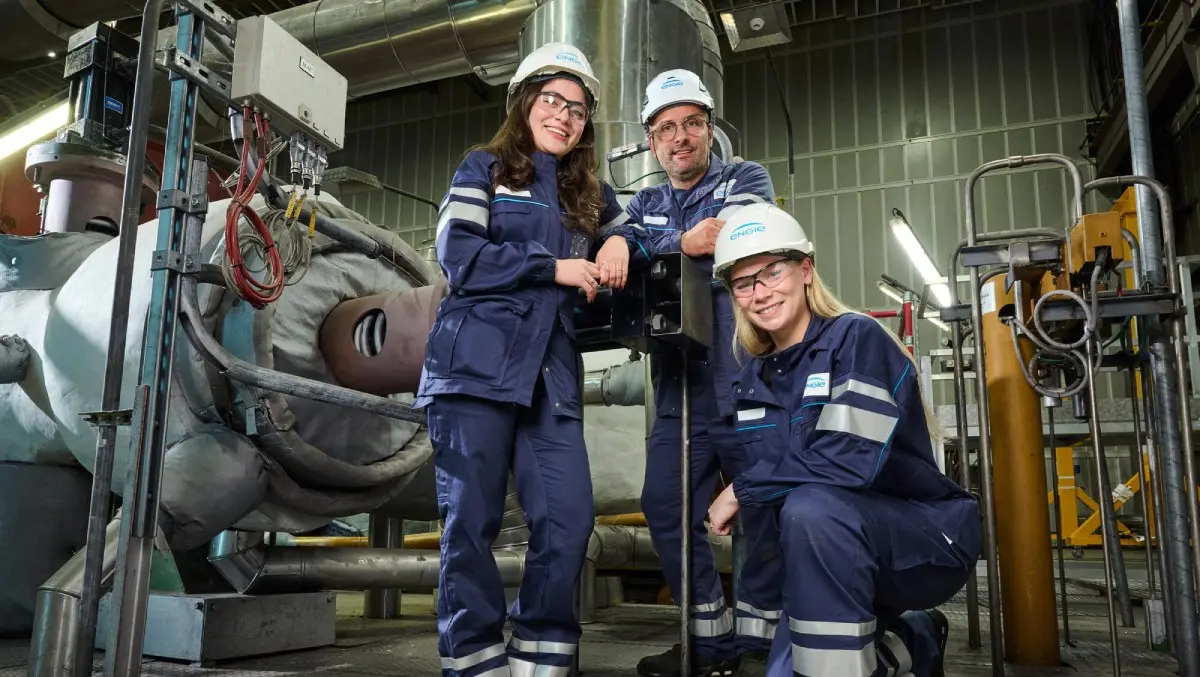
ENGIE is developing innovative solutions to accelerate this movement. Together with Holcim Fujairah, the Group has built a heat recovery system based on a technology called Organic Rankine Cycle1, which has the advantage of being less intrusive in the customer’s facilities than its conventional cousin, the Steam Rankine Cycle. In addition, it does not require water, a particularly precious resource in the Gulf countries.
1 The technology of the organic Rankine cycle consists of substituting a molecular fluid for water to produce mechanical power.

Local authorities: And now, the 5th G for heating and cooling networks
Ever heard of the 5GDHC? This acronym refers to the 5th generation of heating and cooling networks: more energy-efficient, it is a tempered loop, with a relatively low temperature (between 10 and 40°C versus the usual 90°C) balanced by production solutions from waste heat (heat recovery from wastewater, data centers) or shallow geothermal, thalassothermal energy, etc.
Multiple advantages
This 5th generation would enable thermal exchanges between users with complementary hot/cold needs, making them ‘prosumers,’ both consumers and producers. Relying on heat pumps, the 5GDHC could serve as a flexibility tool with thermal storage (which is a hundred times cheaper than electrical storage). A promising market for ENGIE, which already operates seven of these new networks in Europe.
Find instantly answers to your questions
What do you want to do?