




Hydrogen: let’s activate!
Low-carbon or green, with multiple uses and advantages, hydrogen has everything to be the undeniable ally of the transition to Net Zero Carbon. That’s why we have made it the subject of our monthly theme!
What is hydrogen?
Did you know that hydrogen is the main component of the sun? It is also the source of the formation of stars! Indeed the most abundant element in the universe, it is however very little present in its natural state on our planet. A very light and highly flammable gas, hydrogen is odorless, colorless, non-toxic and non-corrosive. Keep reading

Hydrogen production: how does it work?
How to produce renewable hydrogen How much does it cost? What are the challenges? We explain everything, from renewable electricity to green hydrogen and electrolysis.
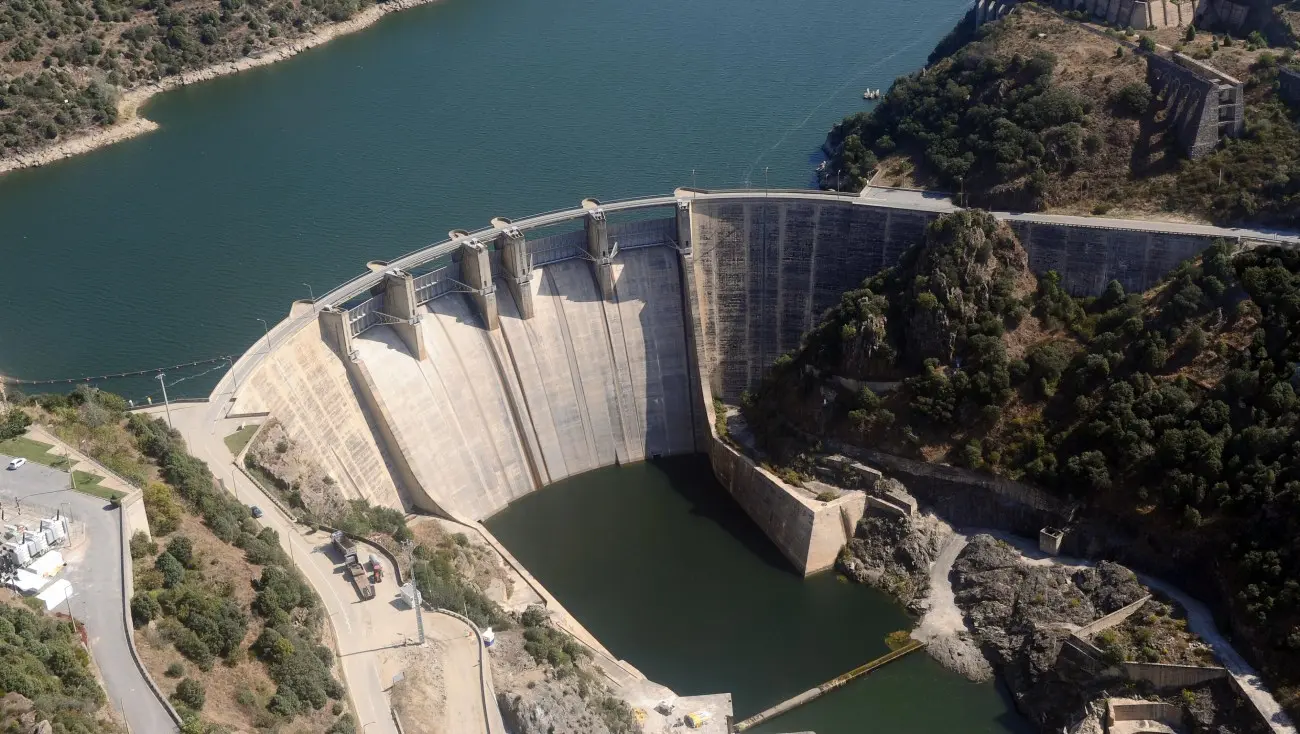
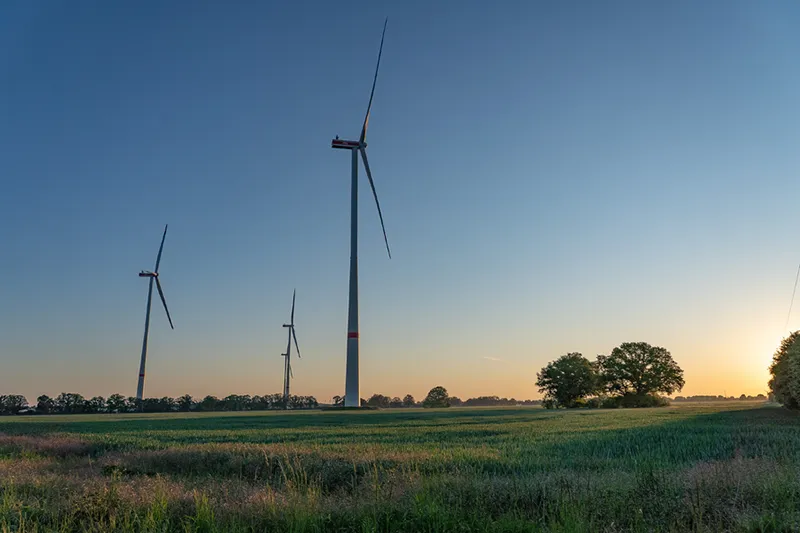
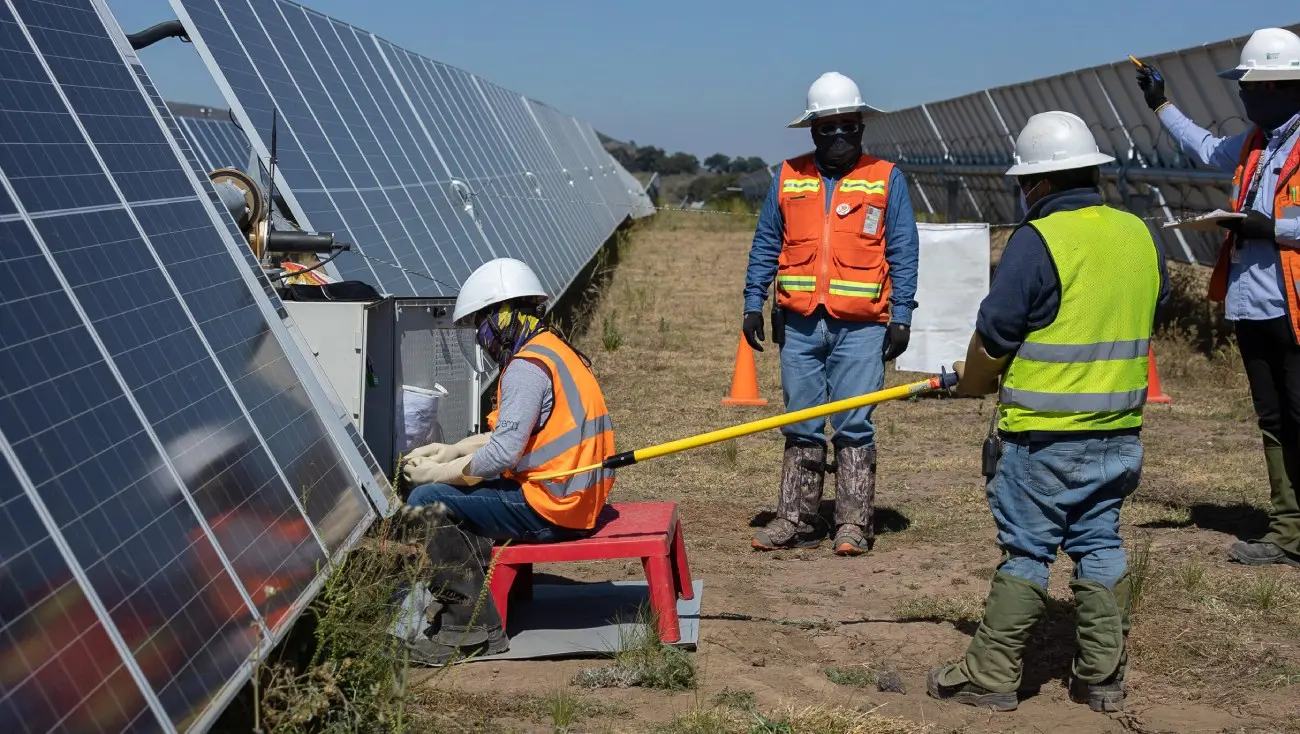
There are three main sources of carbon-free electricity: water, the wind and the sun. Hydroelectricity is the primary source of renewable electricity in France and worldwide. This technique transforms the power of water into electric current in hydro power plants installed on natural water courses or dams.

Uses of hydrogen

Hydrogen at ENGIE


Hydrogen, a key component in ENGIE’s transition
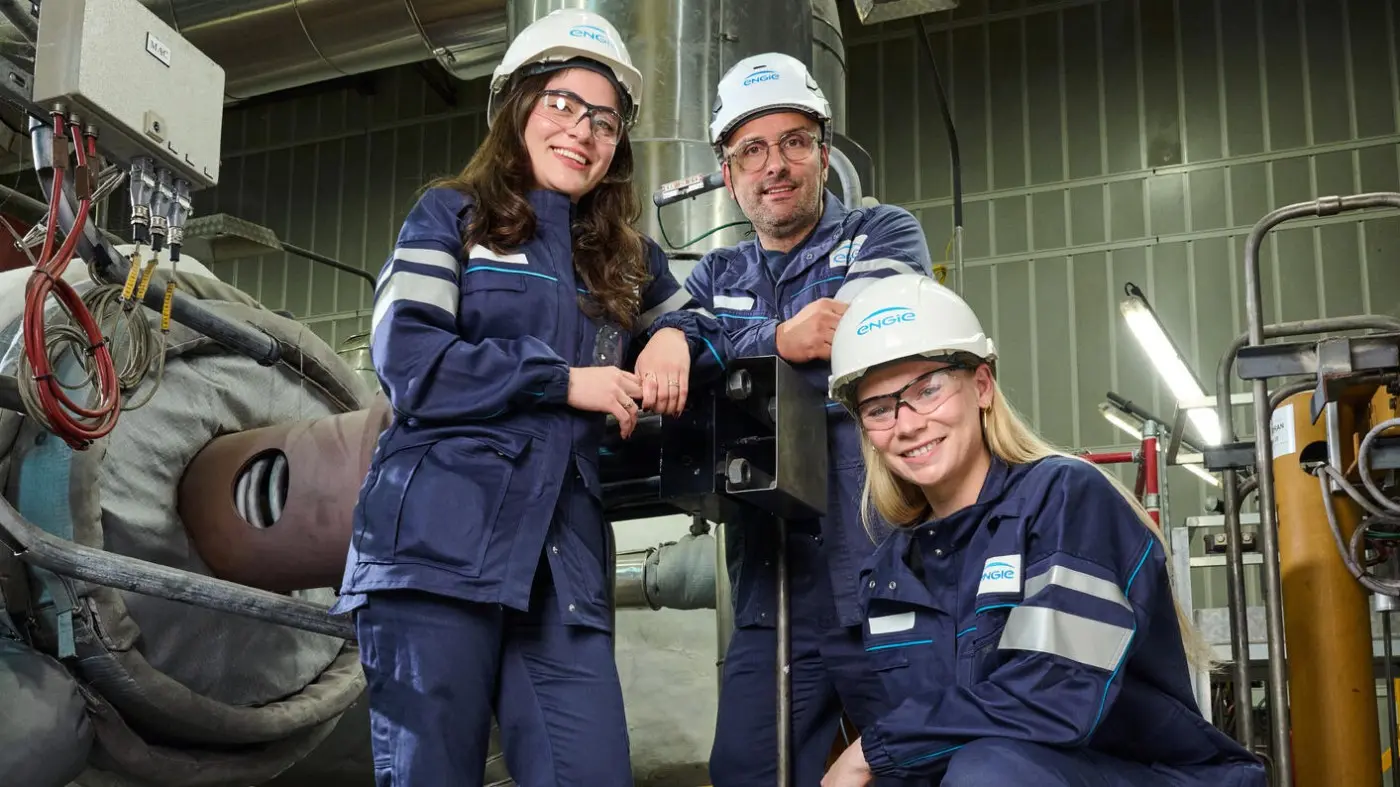
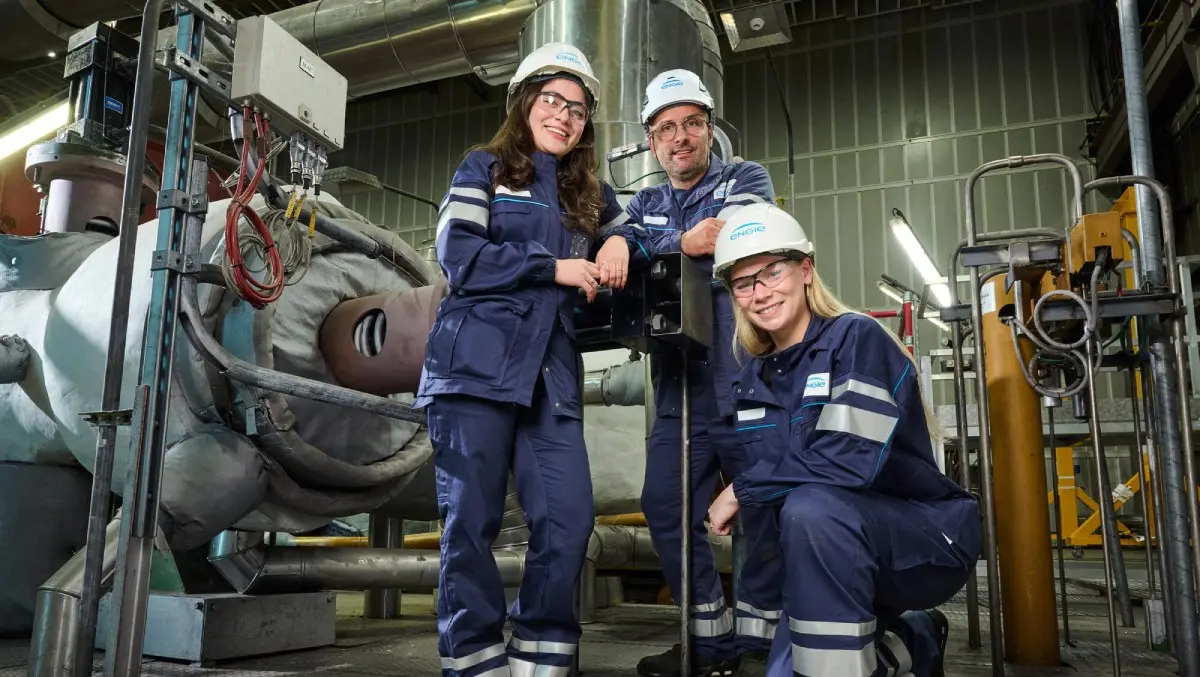
We are convinced that hydrogen is a key energy carrier to drive us forward to a carbon-neutral economy, in addition to renewable energy. Find out how we are developing industrial production of hydrogen, not only producing but also transporting, storing and distributing this gas for the future. As a pioneer in renewable hydrogen, we offer our industry and local authority customers hydrogen solutions that will help them decarbonise their activities and, ultimately, those of individual citizens (mobility, heating, etc.).

Decarbonisation of transport: on the road to hydrogen!
In France, transport accounts for 31% of greenhouse gas emissions and is the highest emitting sector in the country. Green hydrogen offers real opportunities for tomorrow’s zero-carbon mobility solutions because it does not emit pollutants or cause noise pollution. Quentin Nouvelot and Sécil Torun, experts at ENGIE Lab CRIGEN, share their experience in this strategic field and explain the progress needed for it to be rolled out across the transport sector.


Aviation: the obstacles to hydrogen’s take-off
Airbus plans to launch its first commercial hydrogen-fuelled aircraft in 2035. A goal for which the French government is providing financial backing, as part of its support for the aviation sector’s low carbon transition. There are many obstacles on the path to achieving this goal, the first being that the entire aircraft must be redesigned to carry hydrogen, which has to be used in liquid form. And to make zero-emission flights feasible, sufficient renewable hydrogen production capacity has to be generated.
“Safety is a key factor to take into account when developing hydrogen applications for the general public. The risks surrounding this gas are different from those concerning fossil fuels. We are continuing to study them and are working with the entire sector to adopt the good practices we need to ensure a safe hydrogen sector. For the last few years, ENGIE Lab CRIGEN has been helping to define ISO1 and CEN2 standards for hydrogen stations, and we are currently working on a standard for filling protocols, designed to address the needs of all types of vehicle, including heavy vehicles, and ensure interoperability between charging stations and vehicles.”
Quentin Nouvelot, Hydrogen mobility R&D Project Manager at ENGIE Lab CRIGEN

Hydrogen storage: is a change of scale possible?
Renewable hydrogen storage is key to increasing the proportion of intermittent green energy sources (solar and wind) in our energy system. Hydrogen is produced from renewable electricity, then stored in salt caverns until it is injected into the network or used to produce carbon-free electricity. So, what are the advantages of these underground caverns? Where are they? Are they a viable large-scale solution to the growing demand for green hydrogen? How is ENGIE involving all stakeholders in the value chain to improve this method of storage?

As a carbon-neutral, local and flexible energy source, green hydrogen has caught the interest of the mining industry
Can green hydrogen help to significantly reduce the mining industry’s carbon footprint? Yes, because it can be used as a fuel for heavy-duty vehicles, an energy source for generating “hydrogen electricity” to power production processes, and a raw material for making explosives. It has caught the interest of the mining industry for all these reasons, and ENGIE is strategically placed to advise and support industry players. Here we explain all, with a focus on some ongoing projects.
What do you want to do?