





ENGIE in Peru: driving the energy and mining transition
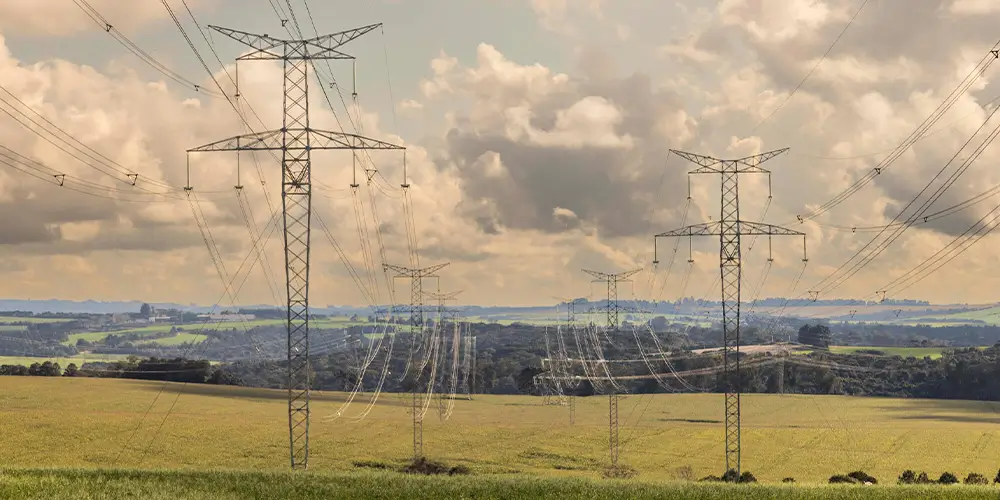
Present in Peru since 1997, ENGIE is helping accelerate the country’s transition toward a carbon-neutral economy by transforming its power generation mix. A key priority is supporting the decarbonization of Peru’s mining industry, one of the country’s main economic engines. Operating across six regions (Lima, Ica, Áncash, Cajamarca, Moquegua, and Pasco), ENGIE aims to become Peru’s leading energy transition utility.
With $2.7 billion invested since entering the market and a workforce of 562 employees, ENGIE Peru has established a long-term presence. Its strategy is built around four priorities: expanding renewable energy generation, strengthening electricity transmission infrastructure, helping industrial customers decarbonize their operations and achieving carbon neutrality by 2045.
Key figures
|
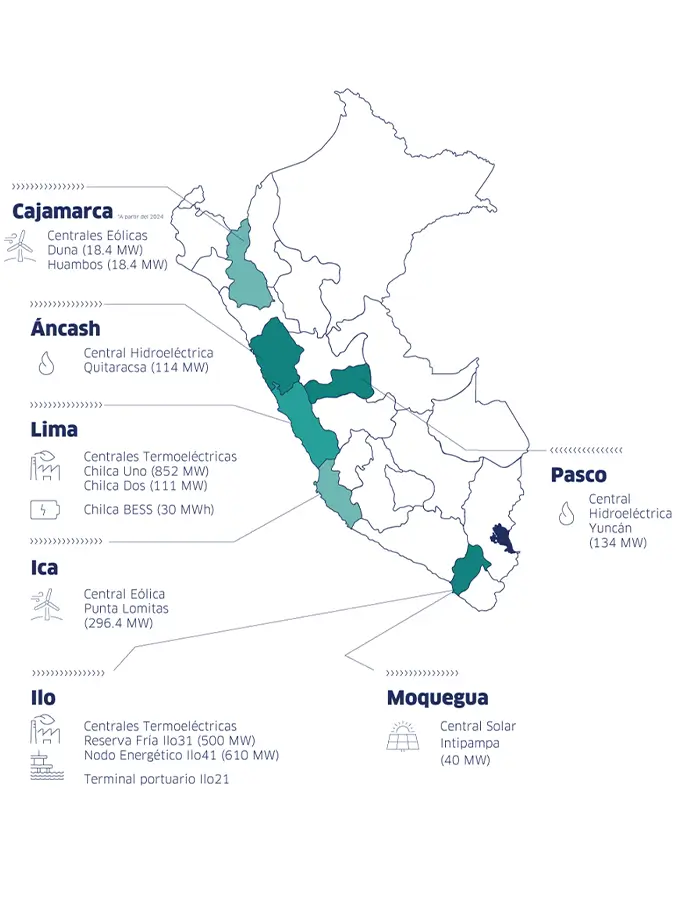
Map of Peru showing the locations of the main power stations by region
Powering Peru’s National Grid
ENGIE operates 10 power plants across Peru, representing approximately 19% of the country’s total installed capacity within the National Interconnected Electric System (SEIN). This makes the company one of Peru’s leading contributors to energy security.
ENGIE’s diversified portfolio is one of its greatest strengths and includes:
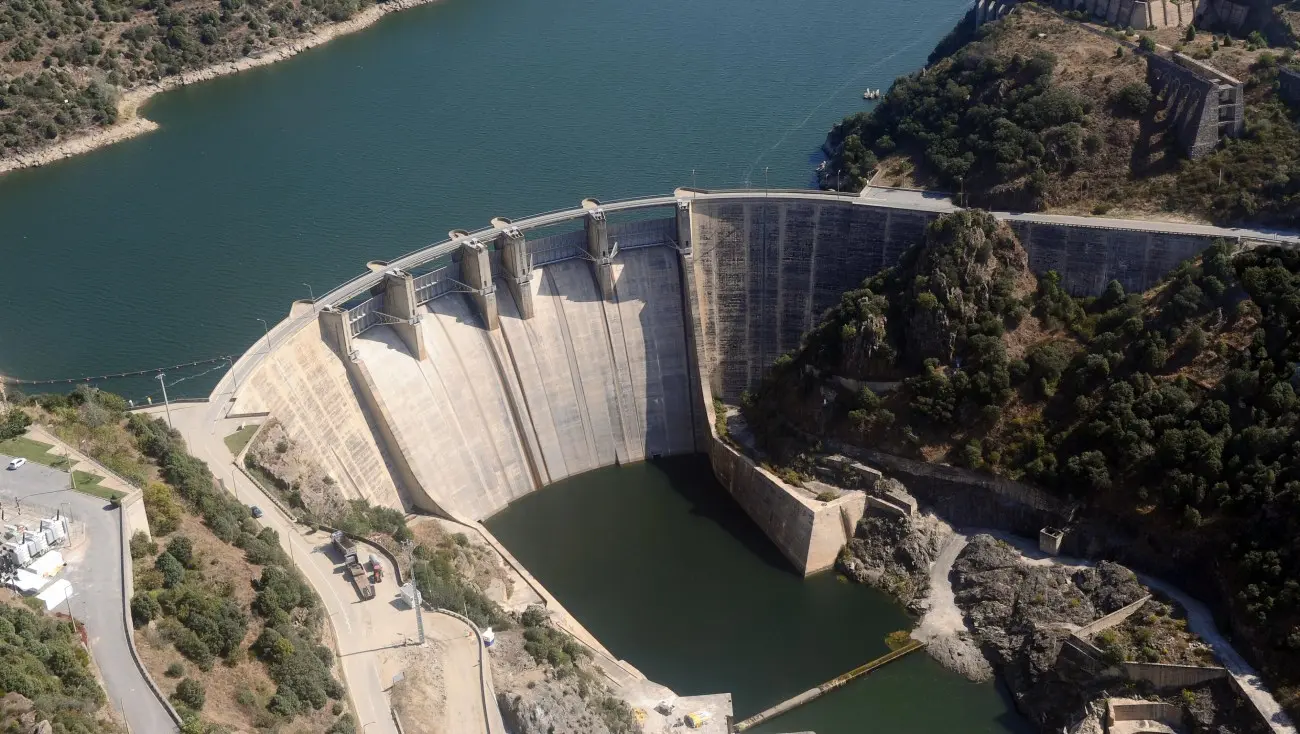
- hydroelectric plants in the Andes, located in Pasco and Áncash;
- wind farms in Ica and northern Peru;
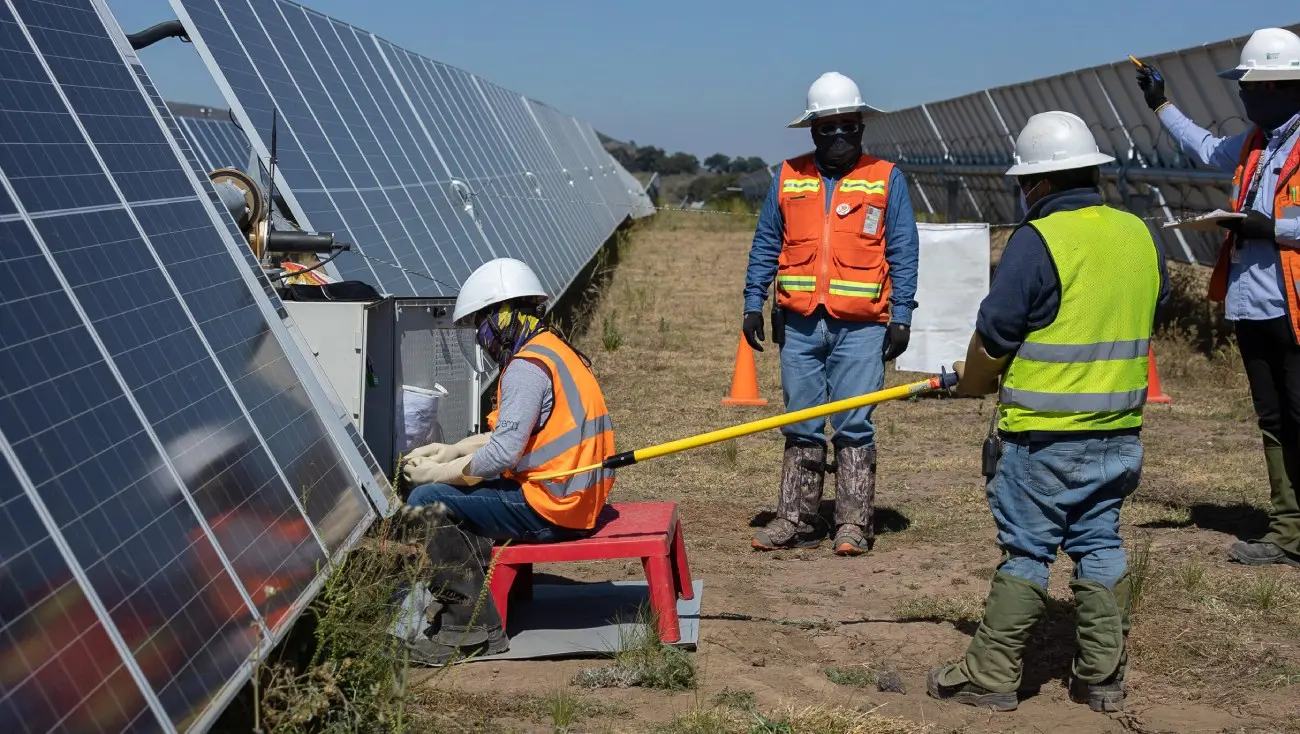
- solar facilities in Arequipa and Moquegua, regions with some of the world’s highest solar irradiation levels;
- natural gas generation, which plays a strategic role in maintaining grid reliability throughout the energy transition;
- a Battery Energy Storage System (BESS), providing additional resilience to Peru’s electricity network.
This flexible energy mix enables ENGIE to meet peak electricity demand while managing the variability of renewable generation.
Renewables: targeting 1.4 GW by 2030
With 631 MW of renewable capacity already in operation, ENGIE Peru plans to more than double its renewable portfolio by 2030, reaching 1,380 MW. This expansion builds on Peru’s exceptional natural resources and a strong pipeline of projects.
Peru offers one of Latin America’s most promising renewable energy landscapes:
- Wind: excellent wind resources in northern Peru and the Ica region.
- Solar: some of the highest solar irradiation levels in the world, particularly in southern Peru.
- Hydropower: Andean rivers ideally suited for hydroelectric generation.
ENGIE’s commitment to achieving carbon neutrality by 2045 guides every investment decision the company makes in Peru.
Electric transmission: a critical enabler of the energy transition
One of Peru’s greatest energy transition challenges consists of connecting renewable generation sites, which are often located far from urban centers, to demand hubs.
ENGIE currently operates 608 km (378 miles) of transmission lines, with an additional 173 km (107 miles) under development. In December 2024, ENGIE secured three new transmission projects through a public-private partnership. Awarded by ProInversión, Peru’s investment promotion agency, these 30-year concessions include:
- 170 km (106 miles) of new transmission lines;
- three new substations;
- expansion of four existing substations across the Áncash, Junín, and Ucayali regions.
ENGIE also acquired 100% of Terna Perú, the Peruvian subsidiary of Italian transmission operator Terna, including its 132 km (82-mile) Aguaytía–Pucallpa transmission line.
Expanding transmission infrastructure is one of the country’s most pressing needs for increasing the share of renewables in Peru’s electricity mix. ENGIE intends to play a leading role in addressing this challenge.
Supporting the decarbonization of Peru’s mining industry
Peru is one of the world’s leading producers of copper, gold, zinc, and silver. Mining is a cornerstone of the country’s economy, but also one of its most energy-intensive sectors.
ENGIE partners with mining companies pursuing ambitious decarbonization strategies. As investors, regulators, and global customers increasingly demand lower-carbon operations, mining companies are seeking reliable partners capable of delivering competitive, certified renewable electricity.
ENGIE meets this need through an integrated offering that includes:
- certified renewable electricity aligned with international ESG requirements;
- transmission infrastructure that delivers clean power to remote mining operations;
- nearly three decades of experience in Peru’s energy market.
A flagship example is Punta Lomitas, Peru’s largest wind farm, featuring 57 turbines with a total installed capacity of 296.4 MW.
Commissioned in 2023 in the Ica region, Punta Lomitas was the country’s first renewable energy project developed entirely through a private corporate power purchase agreement (PPA), without public subsidies.
Today, it supplies 100% renewable electricity to Anglo American’s Quellaveco copper mine, making it Peru’s first mining operation powered entirely by renewable energy.
Over its lifetime, the project is expected to avoid approximately 4 million metric tons of CO₂ emissions—equivalent to removing nearly 870,000 passenger vehicles from the road for one year (based on the U.S. EPA estimate of 4.6 metric tons of CO₂ per vehicle annually).
Creating lasting value for communities
ENGIE believes the energy transition must also be fair and inclusive. In Peru, this commitment translates into tangible initiatives benefiting local communities and employees.
Inclusion and diversity
- Women represent 30% of ENGIE Peru’s workforce.
- Women hold 27% of management positions, a significant achievement in a traditionally male-dominated industry.
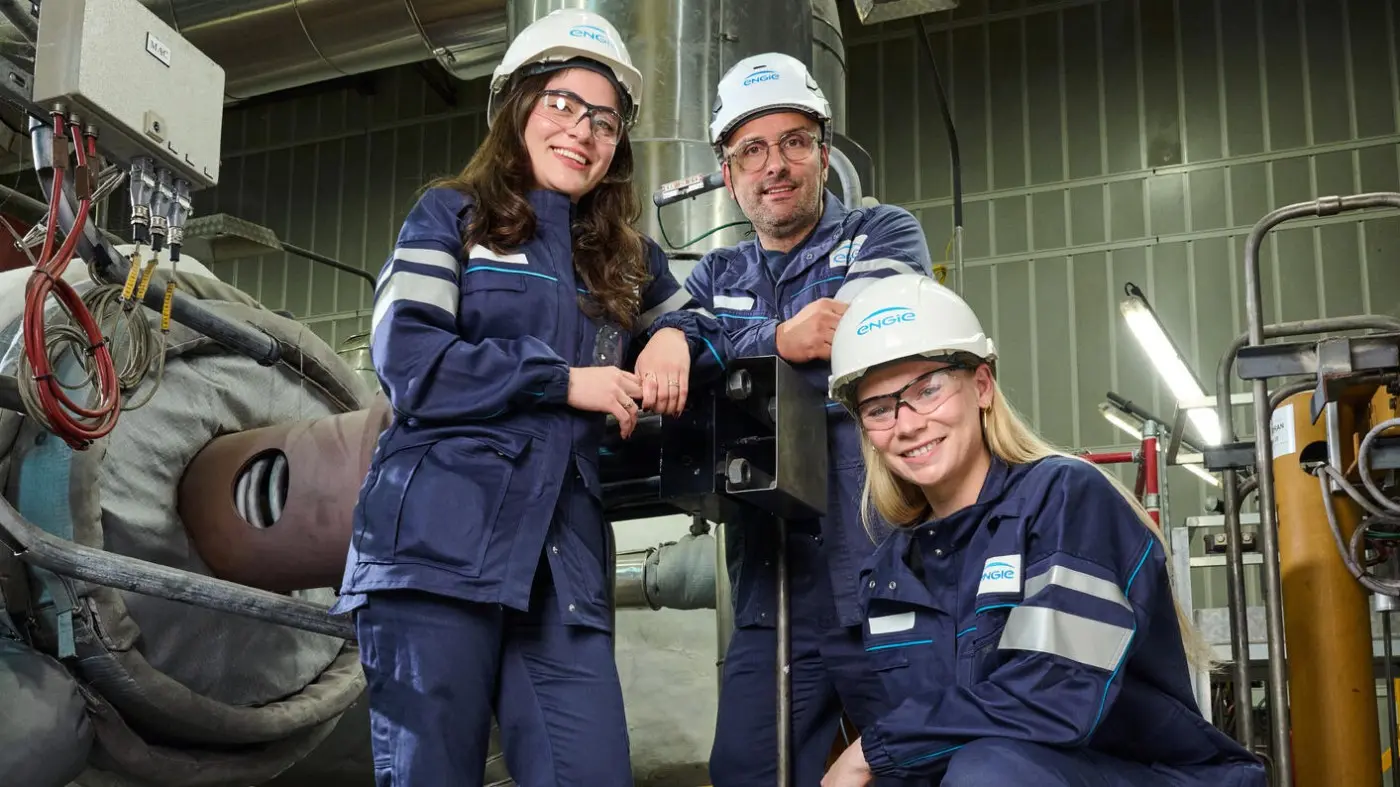
Launched in 2023 as part of the Más Mujeres en Energía (More Women in Energy) initiative, the Warmi Program helps accelerate women’s careers in technical energy professions through plant rotations, mentoring, and hands-on operations and maintenance experience.
Community investment
- ENGIE has implemented 89 community investment projects around its operating sites, supporting education, healthcare, local economic development, and access to energy.
These initiatives reflect ENGIE’s commitment to creating long-term value for both local communities and the regions where it operates.
Frequently Asked Questions
What is ENGIE’s market position in Peru?
ENGIE accounts for approximately 12% of Peru’s electricity market and 19% of the country’s installed generation capacity, making it one of the nation’s leading private energy companies.
What types of energy does ENGIE produce in Peru?
ENGIE operates a diversified portfolio including wind, solar, hydroelectric, and natural gas generation, complemented by battery energy storage systems (BESS) that enhance the reliability and resilience of Peru’s electricity grid.
How does ENGIE support Peru’s mining sector?
ENGIE provides customized decarbonization solutions by supplying certified renewable electricity together with the transmission infrastructure needed to help mining companies reduce their carbon footprint and meet global ESG standards.
What are ENGIE’s ambitions in Peru by 2030?
ENGIE plans to expand its renewable energy portfolio to 1,380 MW by 2030, more than doubling today’s installed renewable capacity. The company also aims to continue expanding its transmission network while supporting the decarbonization of industrial customers—particularly in the mining sector—as part of the ENGIE Group’s global commitment to achieve carbon neutrality by 2045.
Find instantly answers to your questions
What do you want to do?