




A safety engineer at the bedside of Notre-Dame de Paris
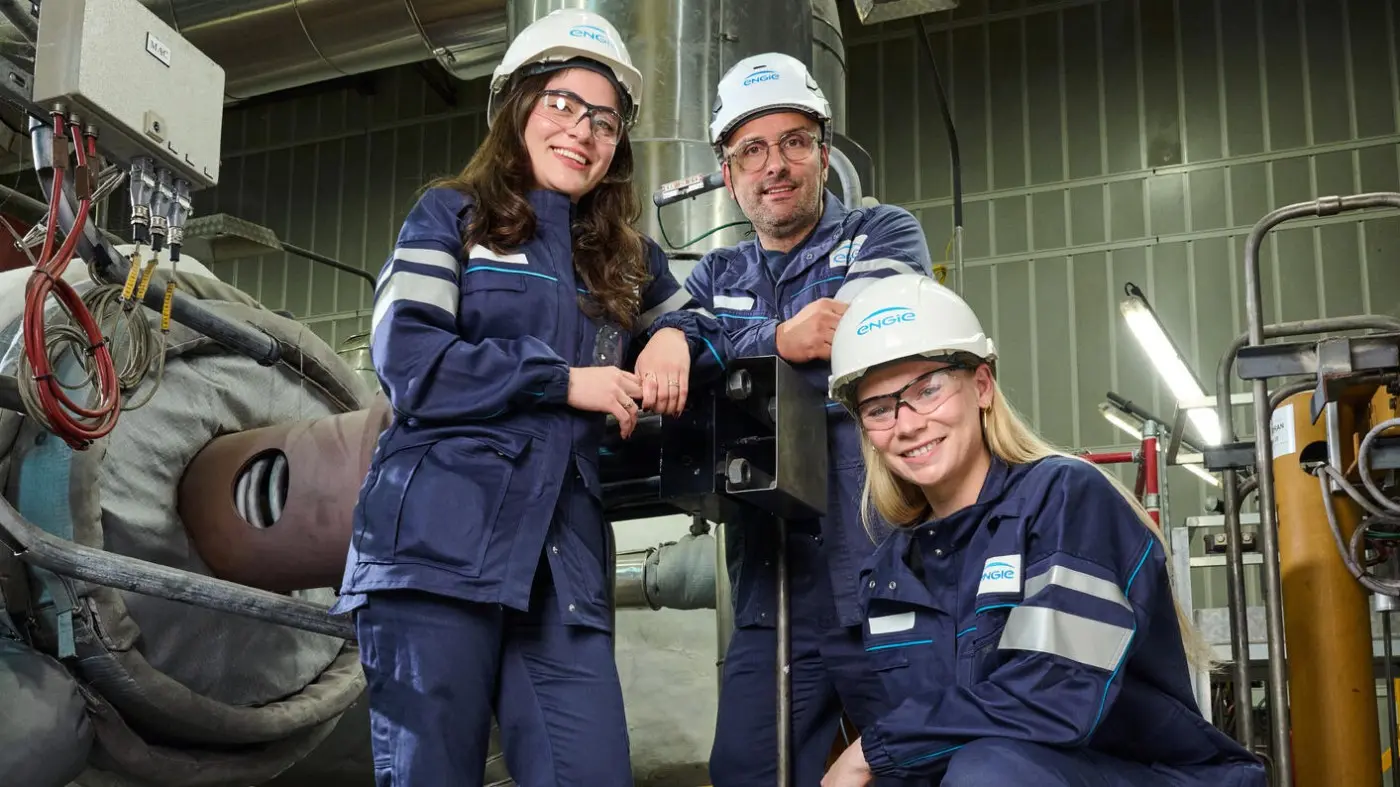
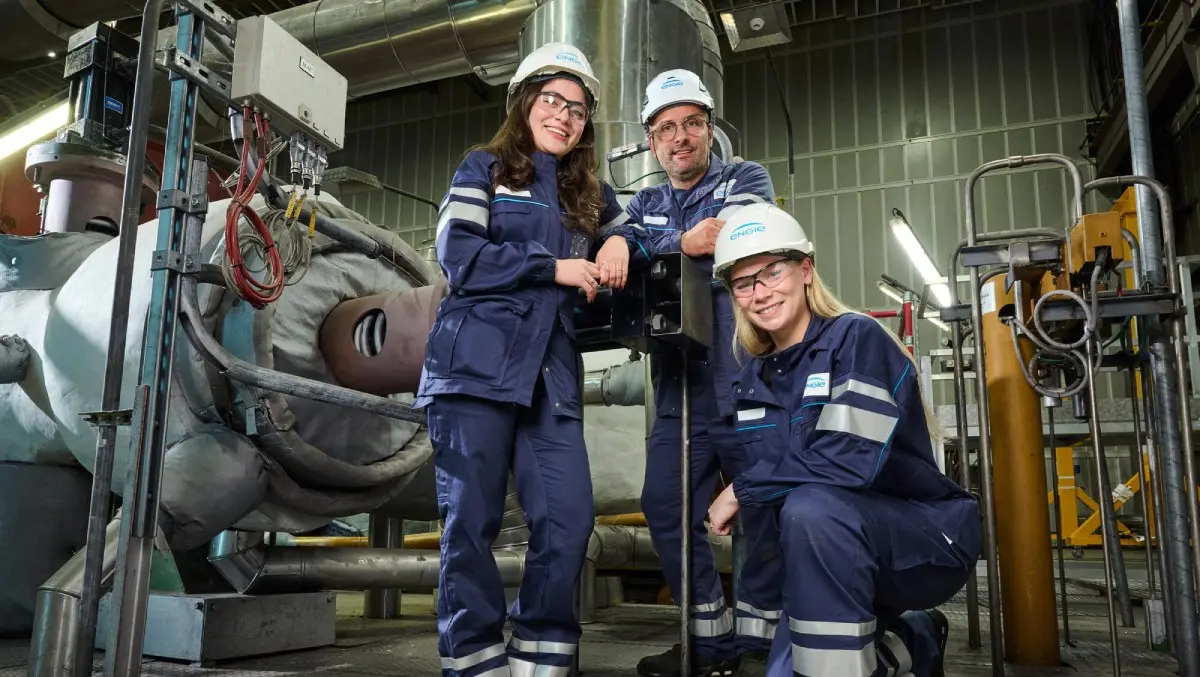
You can be both a safety engineer at ENGIE Lab Crigen and a geoarchaeology expert—that’s the case for Jean-Pierre, who contributed to the reconstruction of the iconic cathedral. Too good of an opportunity to not share his unique experience!

What’s the connection between ENGIE and the reconstruction of Notre-Dame de Paris?
I work as a safety engineer at ENGIE Lab Crigen in Stains, near Paris, but I also hold a PhD in earth sciences and am an associate researcher at the University of Paris 1 Panthéon-Sorbonne. Over the years, I’ve developed expertise in geoarchaeology, specifically focusing on monuments in Paris and the surrounding areas. I’ve published several papers* on building stones, particularly on the stone trade from antiquity to modern times.
Tell us about your role in restoring Notre-Dame after the devastating 2019 fire.
Alongside Lise Leroux, a geologist at the Historical Monuments Research Laboratory, we were both called upon by the architects overseeing the reconstruction—specifically, those in the “Stone and Mortar, Monumental Décor” working group under the authority of the public institution responsible for the conservation and restoration of Notre-Dame de Paris. This group brought together 33 researchers specializing in building archaeology, geochemistry, geophysics, art history, the history of science and technology, and solid-state physics.
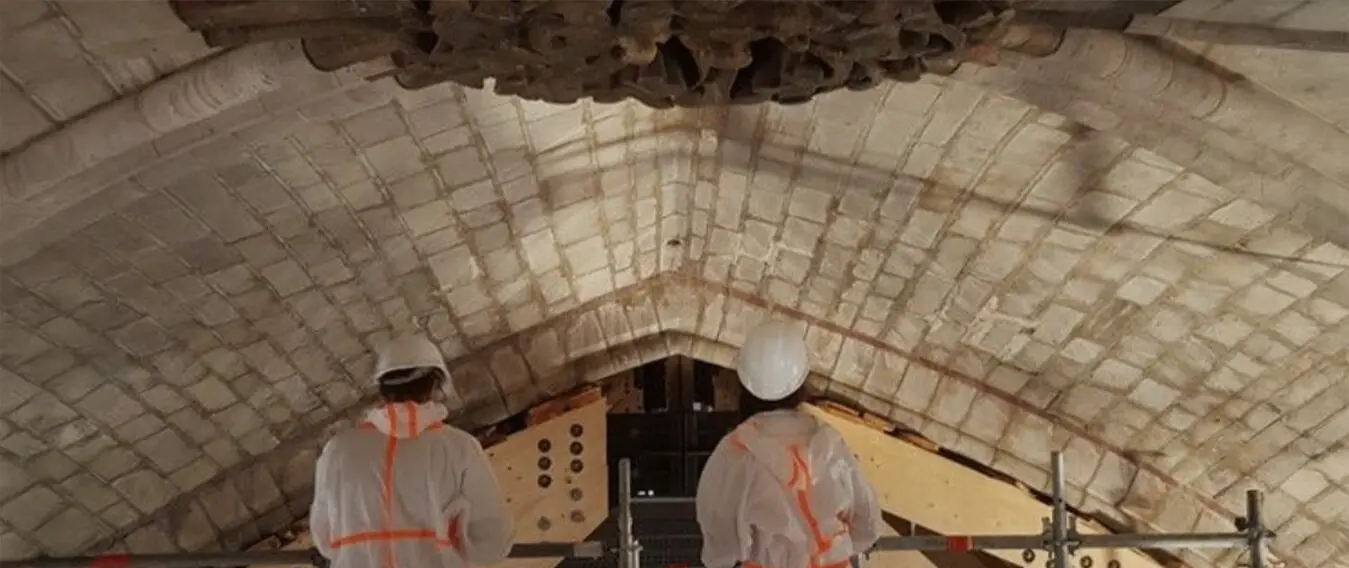
Our mission as geologists was to identify the different types and qualities of stone in the masonry, find out where both the medieval and modern stones came from, and propose quarries that had the potential to supply those necessary for the restoration. It was real detective work.

How did you go about finding the right stones?
We first had to track down the original stones and analyze their geological, geotechnical, and aesthetic characteristics. Then, we needed to identify quarries that could provide comparable matches. We visited numerous abandoned and active quarries around Paris in order to make a highly selective selection of the most beautiful natural stones to replace the originals.
What challenges did you face?
The biggest challenge of this exceptional project was the extremely tight timeline. Once we had selected the materials, we had to coordinate logistics and ensure that everything was done according to traditional craftsmanship. There were many risks involved: the stones needed to blend seamlessly into this monumental edifice while using medieval construction methods. It was a race against time, but also an extraordinary experience, with each expert giving their best to achieve a common goal: rebuild Notre Dame.

What was this scientific and human experience like for you?
It was a once-in-a-lifetime experience, both scientifically and personally. Working on such an iconic project reinforced my belief that science—and particularly geology—should serve society and help preserve our common heritage. It also deepened my appreciation for interdisciplinary collaboration, for example with researchers in the humanities. This unique project has reshaped the way I approach my research.
As a safety engineer, what was your perspective on this extraordinary construction site?
This experience took place on an exceptional worksite, with multiple contractors working simultaneously, leading to overlapping tasks and major risks, including working at heights, handling heavy loads, lifting operations, etc. The site was also contaminated with lead, requiring strict protective measures to ensure the health and safety of workers. Managing such complex risks on such a massive project provided invaluable lessons that I now share with my colleagues at CRIGEN.
*Further reading: Jean-Pierre’s bibliography
- BLARY F. et GÉLY J.-P. (2020) – Pierres de construction. De la carrière au bâtiment. Collection « Orientations et méthode », n° 34, Éd. CTHS, Paris.
- GÉLY J.-P. (2012) – « L’approvisionnement en matériaux de construction des chantiers parisiens au Moyen-Âge ». Dans : La demeure médiévale à Paris, Éd. Somogy, Archives nationales, Paris.GÉLY J.-P. (2021) – « Building Stone Through the Centuries: The “Paris Stone” versus the “Oise Stone” (France) ». Dans Carved in Stone – The archaeology of roc-cut sites in stone quarries, BAR Pub. Éd., Oxford.
- GÉLY J.-P. et LEROUX L. (2019) – « Les pierres d’appareil du Lutétien du bassin de Paris : une ressource complexe et diverse », Bulletin d’Information des Géologues du Bassin de Paris, volume 56-4.
- LEROUX L. et GÉLY J.-P. (2024) – « Les pierres des voûtes de Notre-Dame, du Moyen Âge au XIXe siècle. Identification, usages, approvisionnement ». Bulletin monumental, volume 182-4.
What do you want to do?