


Let’s decarbonate regions!
After COP26, during which decarbonisation and its challenges made the headlines, ENGIE explores the definition of this new word and the already very concrete solutions that we are developing in the territories.
Decarbonisation: definition
What is decarbonisation?
One of the latest buzz words, decarbonisation is directly associated with the fight against climate change. But what exactly is it? What goals have been set in this respect? And practically speaking, how do you go about decarbonising?
Decarbonising our regions: many opportunities!
Our country’s target for carbon neutrality by 2050 obviously applies to regions. But the challenge is so much more than an obligation – it also offers many opportunities for regions to (re)vitalise their economic growth, their jobs, their appeal, etc. To decarbonise our economy and achieve neutrality by 2050, public authorities are taking a number of measures: promoting energy efficiency in industry and housing, developing renewables as a replacement for all or a proportion of traditional energy sources, promoting energy sufficiency, etc.
ENGIE decarbonates and energises regions
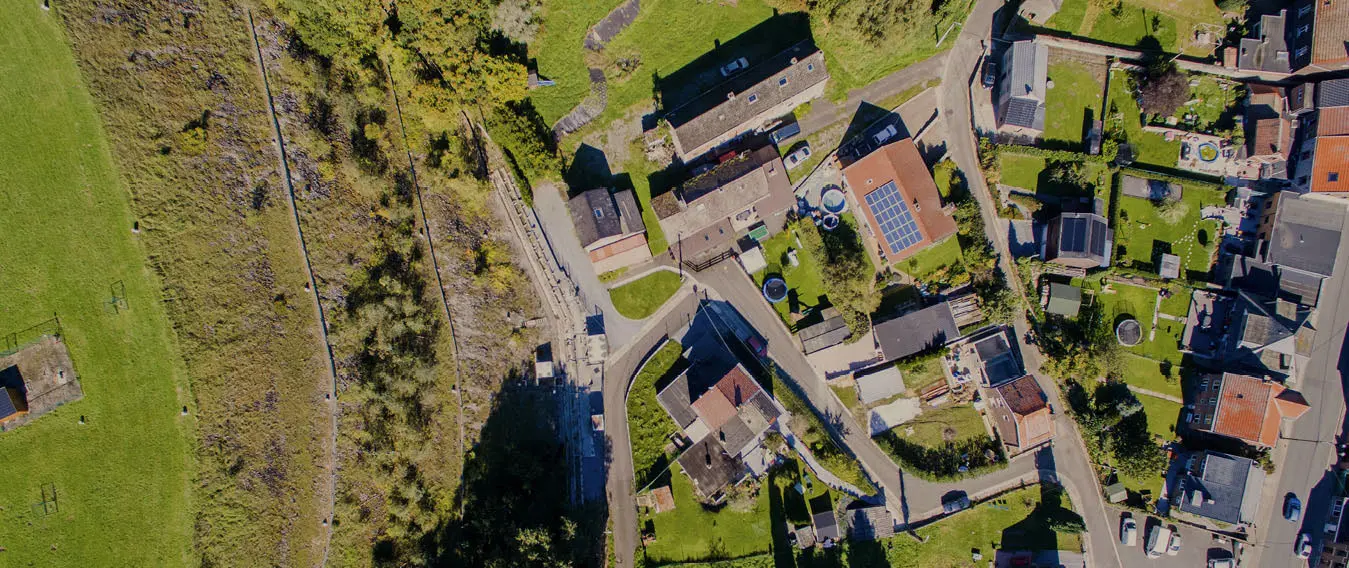
Decarbonizing regions unfolds locally
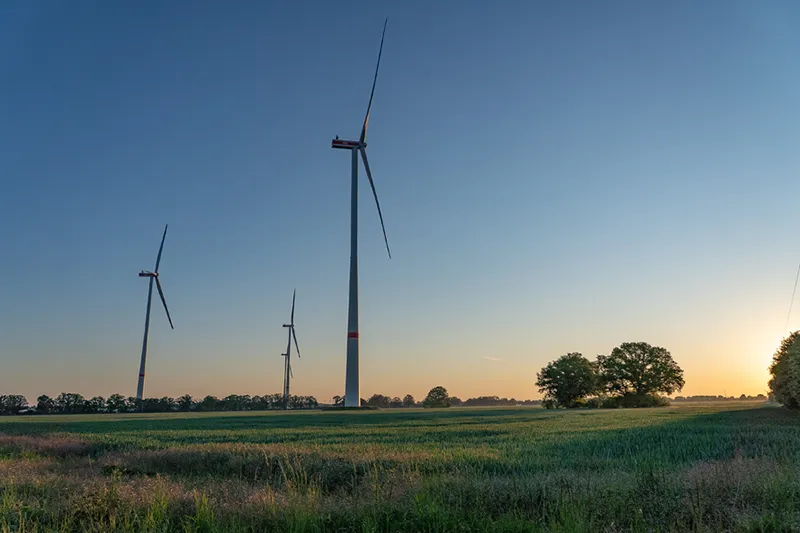
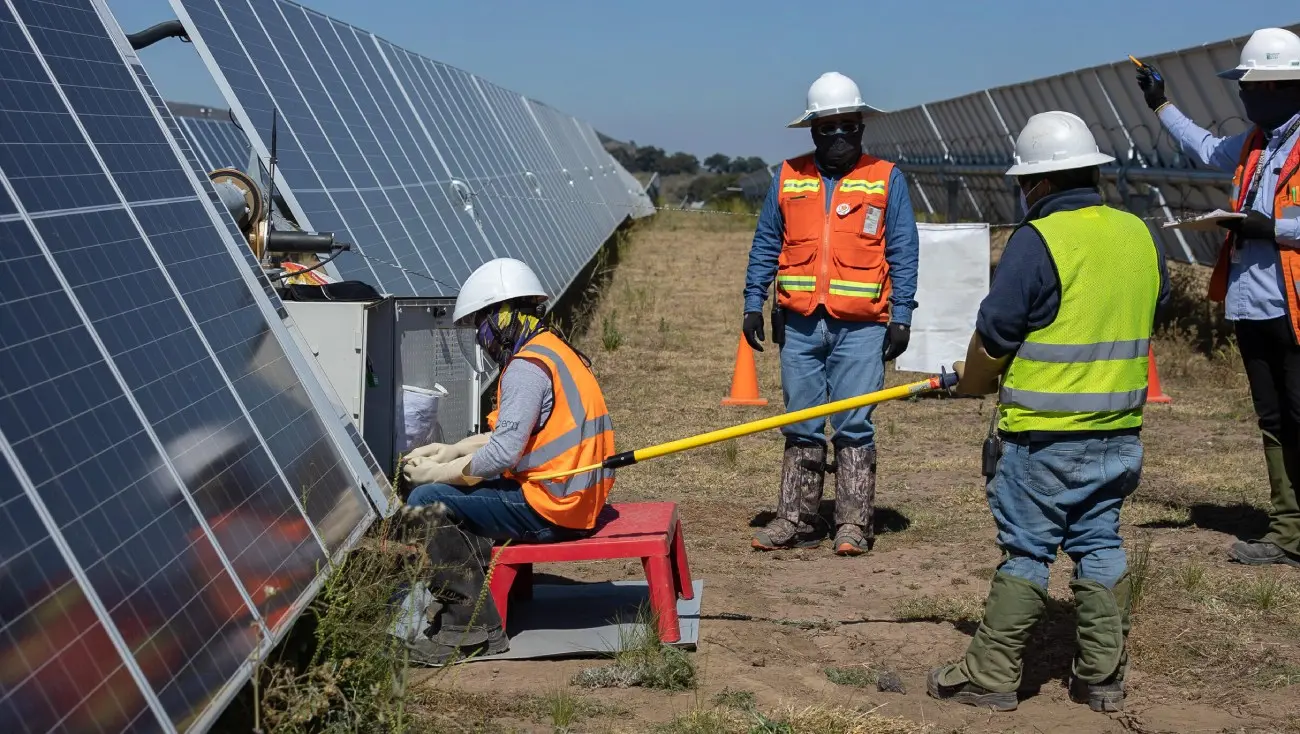
Highly supportive of its industrial clients for years, ENGIE is also a close ally of local authorities. We are convinced that as beneficial as renewables are for the environment, they are also beneficial for regions, to which they can supply energy. To develop renewables, whether wind power, biogas, or hydrogen, it is essential to build more dedicated infrastructures. These implantations naturally have a positive local impact in more than one respect. In an approach based on circular economy, they encourage the development of SMEs and micro businesses, for example through their involvement in installation work, which has a powerful impact on regional employment.

Biomethane: the asset of regions for a carbon-free economy
In an era where decarbonisation and the search for reliable and sustainable energy production solutions have taken the centre stage, ENGIE is betting more than ever on biomethane; a renewable energy with numerous advantages. As such, the Group has recently inaugurated three new methane units in France. Le Mans (Sarthe) on 28 September, Fougères (Ille-et-Vilaine) two days later, and Chaumont (Haute-Marne) on 14 October. Over the recent weeks, ENGIE BiOZ – the Group’s biomethane development entity in France – has inaugurated a number of new facilities dedicated to renewable gas production.
Okay, but what does it mean in concrete terms?
Find instantly answers to your questions
What do you want to do?