




The Ombudsman for the ENGIE Group publishes her 2025 annual report
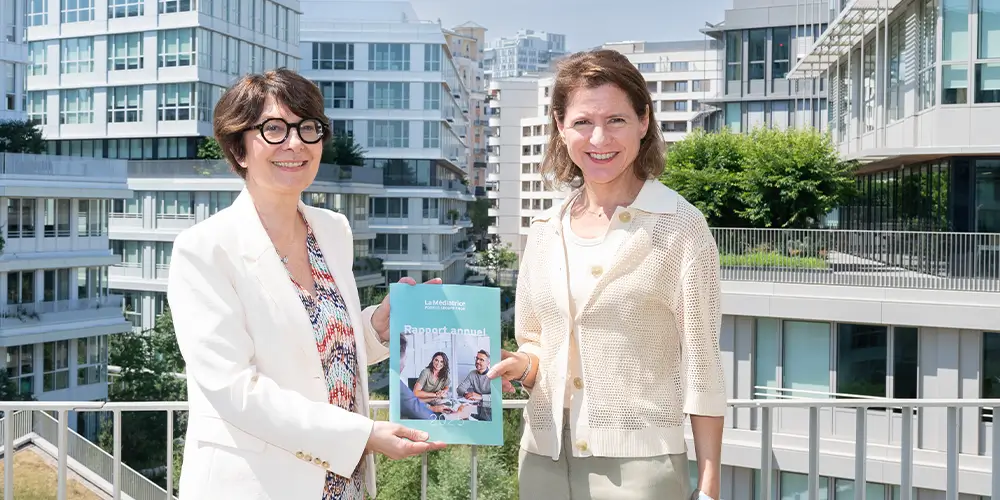
On 19 June 2026, Elisabeth Trocard, appointed Ombudsman for the ENGIE Group on 1 September 2025, presented her 2025 activity report to Catherine MacGregor, the Group’s Chief Executive Officer. Published annually, this report highlights the results of the Ombudsman’s work.
Key highlights of 2025: change of Ombudsman and energy price crisis comes to an end
On 16 September 2025, Elisabeth Trocard was appointed independent Consumer Ombudsman for the ENGIE Group by a joint committee comprising representatives from consumer associations and ENGIE. She was subsequently accredited by the Commission d’évaluation et de contrôle de la médiation de la consommation (CECMC) on 29 December 2025. Elisabeth Trocard is now listed for a five-year term on the roster of consumer Ombudsmen recognised by the European Commission.
The year 2025 marked the end of the energy price crisis that began in late 2022. The key highlights and figures for the year include:
- A 42% decrease in the total number of referrals received compared to 2024;
- An outstanding amicable agreement rate maintained at 87%, despite the increasing complexity of disputes;
- The expansion of the eligibility criteria for consumer claims, a measure that facilitates access to mediation;
- A significant shift in the mediation caseload, with professional customers now accounting for a quarter of all cases, up from 7% in 2021.
Trends in mediation requests in 2025
In 2025, the Mediation service received a total of 1,528 referrals, of which 1,267 (83%) originated from consumers.
Among these, the number of referrals deemed admissible for mediation declined by 41% (479 compared to 818 in 2024), although this figure remains higher than pre-crisis levels. Specifically for consumers, 357 admissible referrals were recorded, bringing the volume back to pre-crisis levels.
For consumers, 2025 was marked by the resurgence of consumption-related issues, notably concerning index adjustments carried out by the distributors ENEDIS and GRDF, as well as billing disputes arising from late or unclear energy bills. These two areas are frequently accompanied by payment problems.
Among professional customers, the number of claims regarding contract termination fees were the leading reason for disputes. Some professionals who entered fixed-price contracts at the height of the crisis viewed contract termination as an opportunity to benefit from the recent decline in market prices.
Mediation handling: proximity, quality and efficiency
While the number of mediation cases handled in 2025 decreased compared to 2024, it remains 33% higher than the pre-energy crisis level seen in 2022. Moreover, despite the increased complexity of disputes in 2025, the mediation team succeeded in improving its efficiency while maintaining close and attentive relationships with claimants:
- 647 mediations were either processed or ongoing by the end of 2025;
- 87% of proposed solutions were accepted and implemented;
- The average time taken to handle cases was 79 days, a reduction of 7 days compared to 2024;
- For consumers specifically, the average handling time was 72 days, 5 days shorter than in 2024. This remains well below the 90 day limit stipulated by the French Consumer Code.
- Regarding admissible referrals, 65% of claimants used the online submission form, also accessible via smartphone, double the rate seen in 2022.
Five recommendations shared with ENGIE entities
In 2025, the Ombudsman issued five recommendations to the relevant operational entities within ENGIE(1) based on mediations conducted throughout the year. These recommendations highlight areas for improvement aimed at enhancing complaint handling and sustainably reducing the volume of disputes escalated to mediation. They have been discussed with both ENGIE Group subsidiaries and consumer associations. The Ombudsman subsequently ensures that these entities implement the recommendations.
Outlook for 2026
Elisabeth Trocard, in her role as Ombudsman for the ENGIE Group, continues a longstanding company mediation process that has been in place since 1999:
- She will continue to carry out her mission of amicable dispute resolution with complete independence. She will ensure that each case is handled with a personalised approach, upholding the principles of law and fairness that are fundamental to successful mediation.
- She will continue to enhance the Ombudsman’s website to provide comprehensive information tailored to the needs of claimants.
- At the same time, she remains dedicated to promoting the development of amicable dispute resolution within ENGIE Group entities.
Find instantly answers to your questions
What do you want to do?