

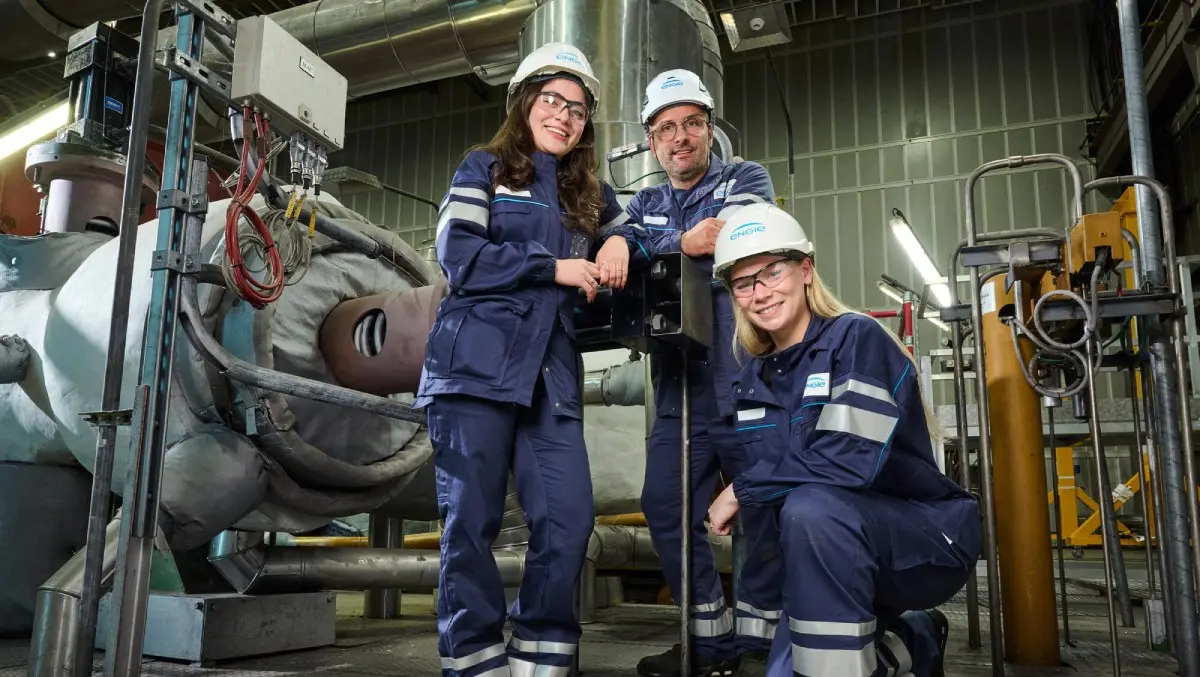



Gas storage: a major asset for energy system stability
In a world marked by geopolitical tensions and climate variability, safeguarding energy supply has become essential. Underground gas storage provides the flexibility and resilience required to keep the entire energy system running reliably.
Securing energy supply
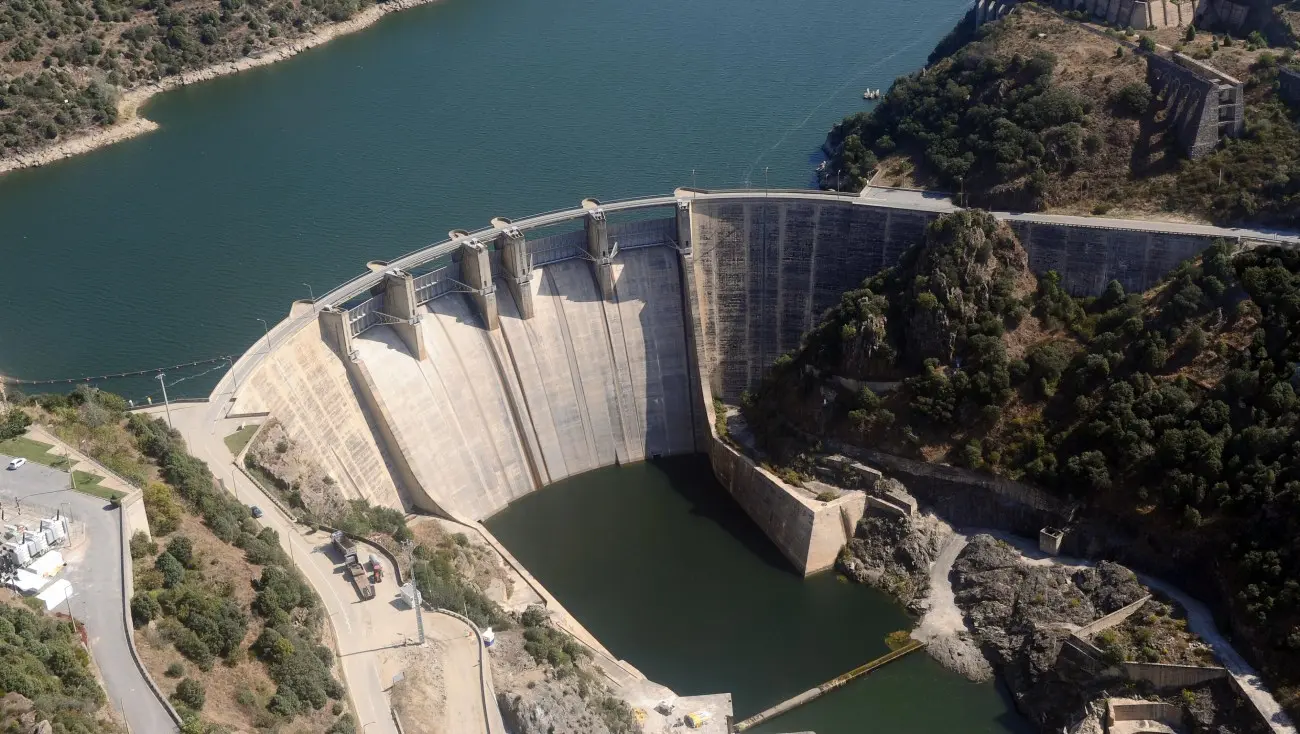
Underground storage ensures both security of supply and flexibility in gas flows. Thanks to adapted geological structures, gas can be stored in sufficient volumes to cover winter heating demand or to withstand major supply disruptions.
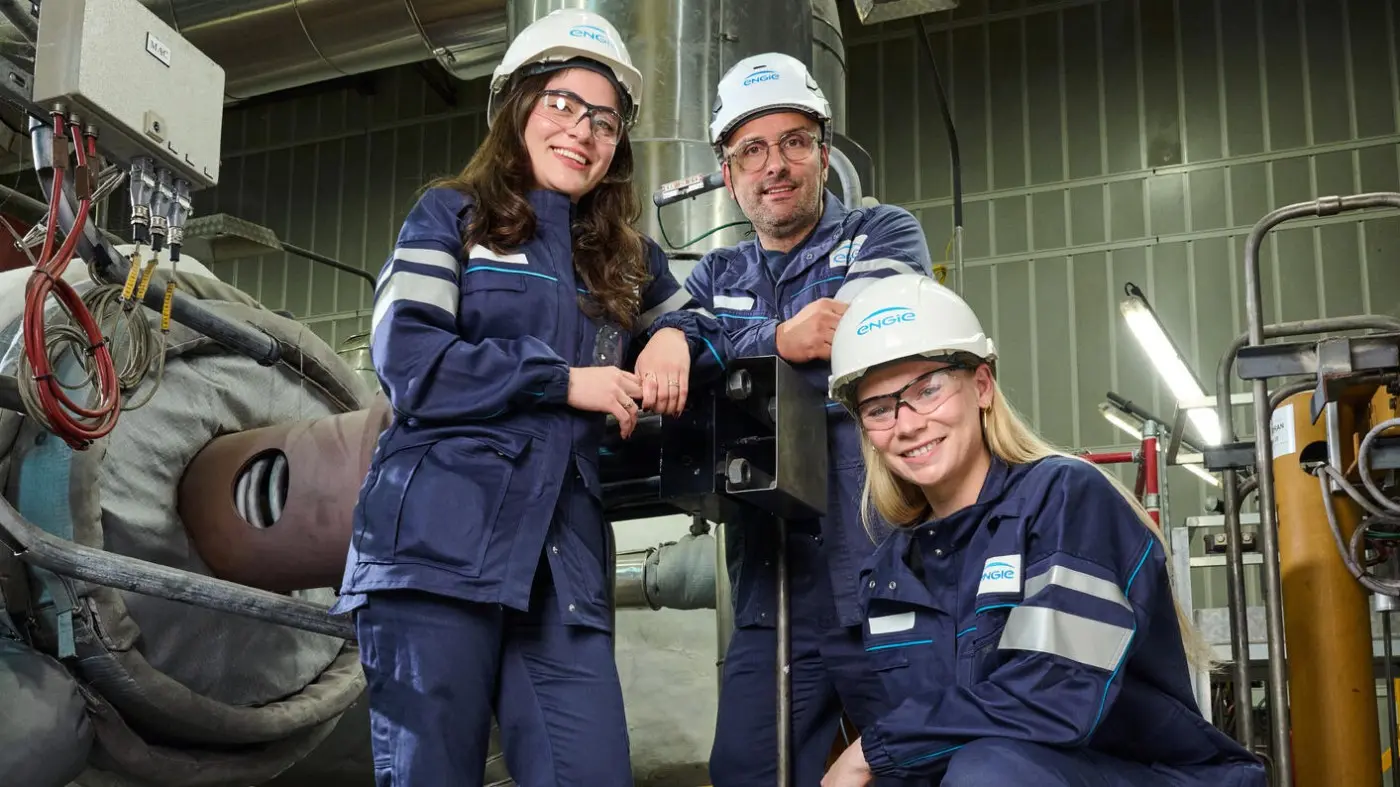
Particularly well-endowed in suitable natural reservoirs, France benefits from a storage network capable of covering two-thirds of the country’s annual gas consumption. Storengy, an ENGIE subsidiary, is one of the world’s leading underground gas storage operators, with assets in France, Germany and the United Kingdom.
Storengy storage capacity
Principles of gas storage
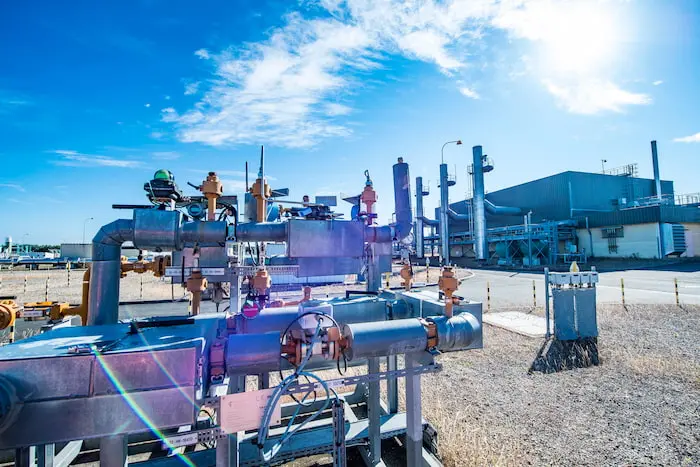
Gas is stored in underground structures with physical and geological properties that ensure the safety and long-term integrity of reservoirs located between 400 and 1,500 meters below ground level. Three main types of underground storage are used:
- Deep aquifers: naturally occurring porous rock formations
- Salt caverns: cavities created by solution mining within thick, deep, impermeable rock salt formations
- Depleted oil or gas fields: known as depleted field storage
Underground gas storage sites in Europe
- France – 14 sites: 9 aquifers, 4 salt caverns (including 1 operated on behalf of a third party), 1 depleted field
- Germany – 6 sites: 3 depleted fields, 3 salt caverns
- United Kingdom – 1 site: 20 salt caverns
Discover gas storage in video

A regulated service strengthening European energy resilience
Gas storage follows a seasonal cycle: injection takes place in spring and summer, while withdrawal occurs in autumn and winter to meet heating demand and support electricity production.
This operation is governed by European regulation setting minimum filling levels ahead of winter and reinforcing coordination between Member States and operators. During the 2022 energy crisis, European storage facilities – filled to more than 90% – played a decisive role in preventing supply shortages and limiting market disruption.
In France, the regional density of the storage network and the scale of available capacity ensure gas availability even during supply chain tensions. This flexibility also enhances competitiveness by enabling suppliers to optimise procurement strategies and benefit from price fluctuations.
Storengy’s expertise supporting the development of renewable gases
Today, Storengy’s facilities store natural gas. Tomorrow, these infrastructures will integrate renewable gases such as biomethane (fully compatible with existing gas supply) and hydrogen, for which salt cavern storage is considered the preferred technological solution.
To support this transition, Storengy is leading several pilot projects aimed at validating the feasibility of hydrogen storage and preparing for industrial-scale deployment in France and across Europe. This work is helping to lay the foundations for a fully-fledged hydrogen ecosystem in support of the energy transition.
Find instantly answers to your questions
What do you want to do?