

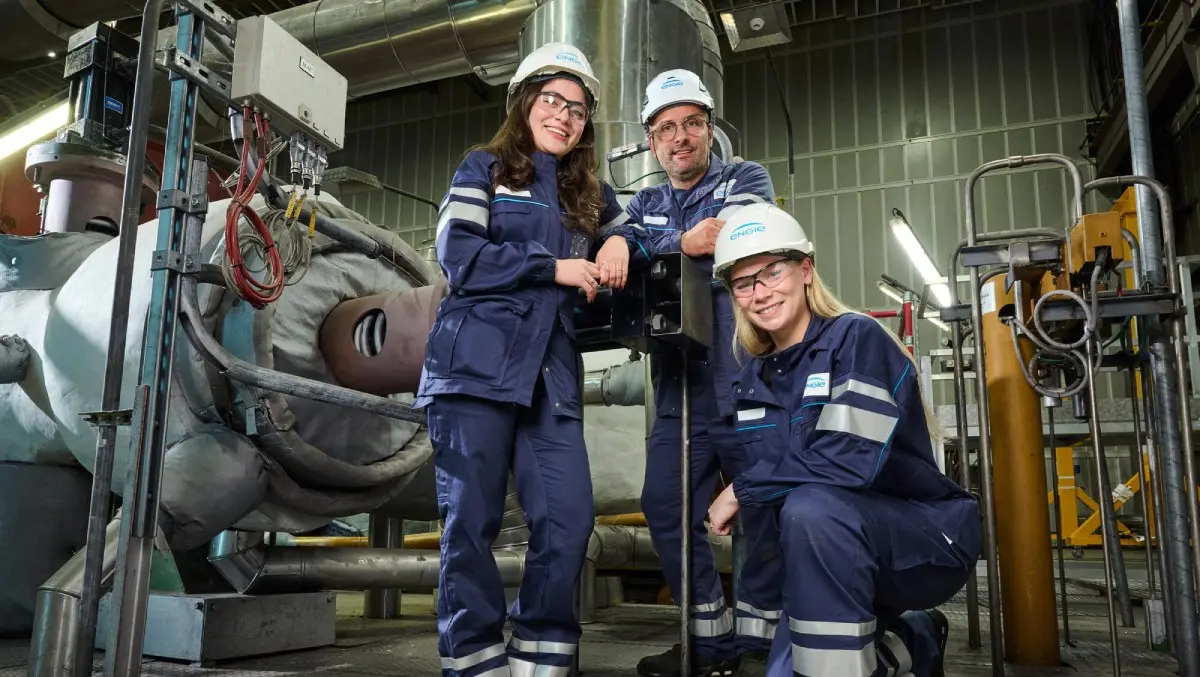



Gas transportation: ensuring secure, competitive supply committed to the energy transition
ENGIE operates natural gas transportation networks in Europe, Brazil and Mexico. At the heart of an integrated gas ecosystem, these networks guarantee energy security and contribute to supply diversification for regions.
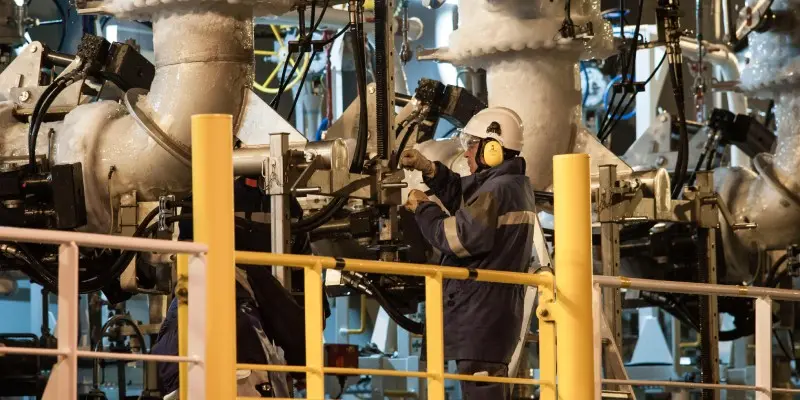
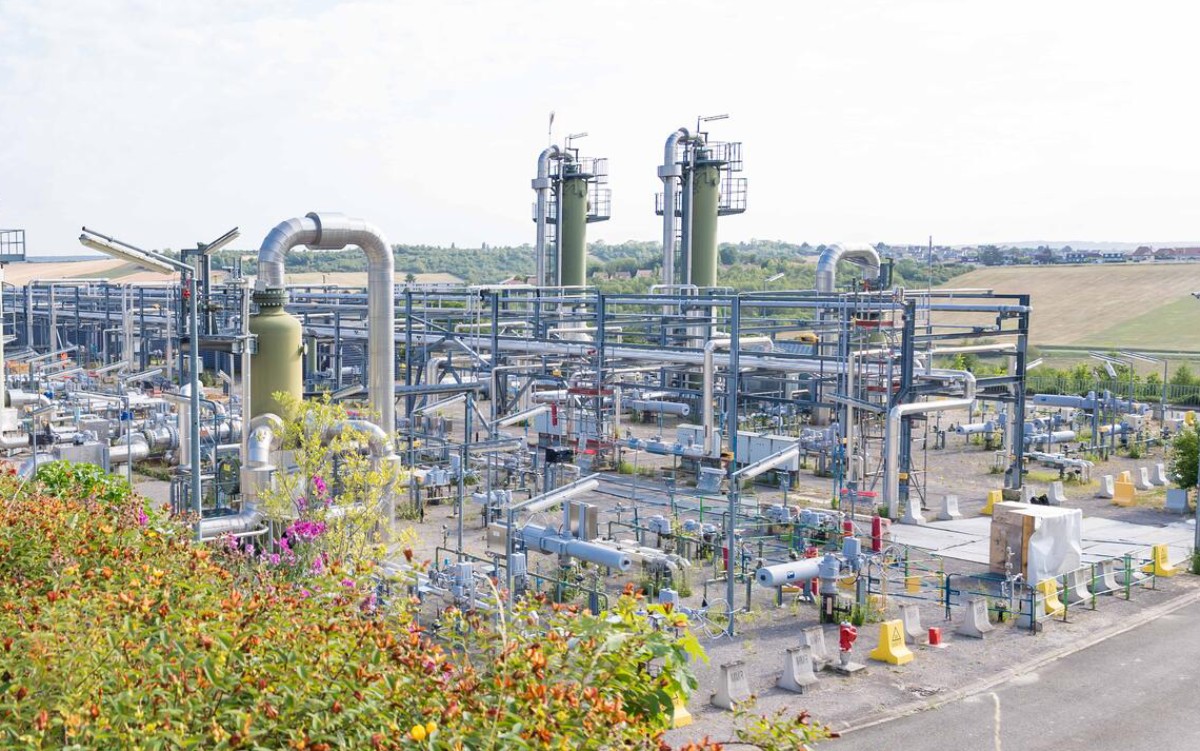
Through its independent subsidiary NaTran, ENGIE operates Europe’s largest, high-pressure natural gas transportation network, spanning 32,500 km. It serves all regions of France, as well as the full spectrum of economic stakeholders: major industries, power plants and distribution networks.
Thanks to this particularly dense infrastructure, the gas network has become a genuine driver of economic development for regions. Interconnected with neighboring countries, linked to LNG terminals and storage facilities, it strengthens European energy sovereignty and supports competitiveness.
Historical background
France’s national, natural gas transportation network was born from the discovery in 1951 of the Lacq gas field in southwestern France, one of the largest in Europe at the time. The first high-pressure pipelines supplying industrial and urban areas were commissioned in 1957. By the late 1960s, the country benefited from a nationwide network and its first interconnection with the Netherlands.
Beyond France, ENGIE has expanded its geographic footprint in Germany (NaTran Deutschland and MEGAL) and in Brazil through the acquisition of TAG in 2019, the largest natural gas transportation network in Brazil (4,500 km). In Mexico, the Group also operates gas transportation networks. Since 2024, ENGIE has been leading an extension project for the Mayakan pipeline, supporting regional economic development and reducing CO₂ emissions by replacing more carbon-intensive energy sources with natural gas.
Today, the gas networks are adapting to the gradual integration of renewable gases such as biomethane and hydrogen.
Our network in figures (France)
The 4 performance drivers of the gas transportation network
A regulatory framework guaranteeing access for all suppliers
The network operates under principles of public interest, fairness and non-discrimination. It is accessible to all suppliers in accordance with European third-party access regulations, known as the “Third Energy Package,” which requires the legal separation of gas transportation activities from production and supply activities.
Gas networks are supervised by an independent authority – in France, the Commission de Régulation de l’Énergie (CRE) – which sets transportation tariffs according to a transparent formula and ensures operators’ cost coverage.
Security of supply: a requirement for sovereignty
The gas transportation network guarantees continuous gas supply, including during periods of high demand or geopolitical tensions. This reliability relies on the complementarity between transportation, underground storage, interconnections and LNG terminals, as well as on an active supply diversification policy.
In this context, part of the natural gas consumed in France is imported by ship in liquefied form (LNG). ENGIE operates three LNG (Liquefied Natural Gas) terminals – Montoir-de-Bretagne, Fos Tonkin and Fos Cavaou – through its subsidiary Elengy. These facilities ensure the reception and regasification of LNG and are evolving into low-carbon hubs.
Security of supply is also strengthened by European directives requiring transmission system operators to regularly publish information and development plans.
Integrating renewable gases
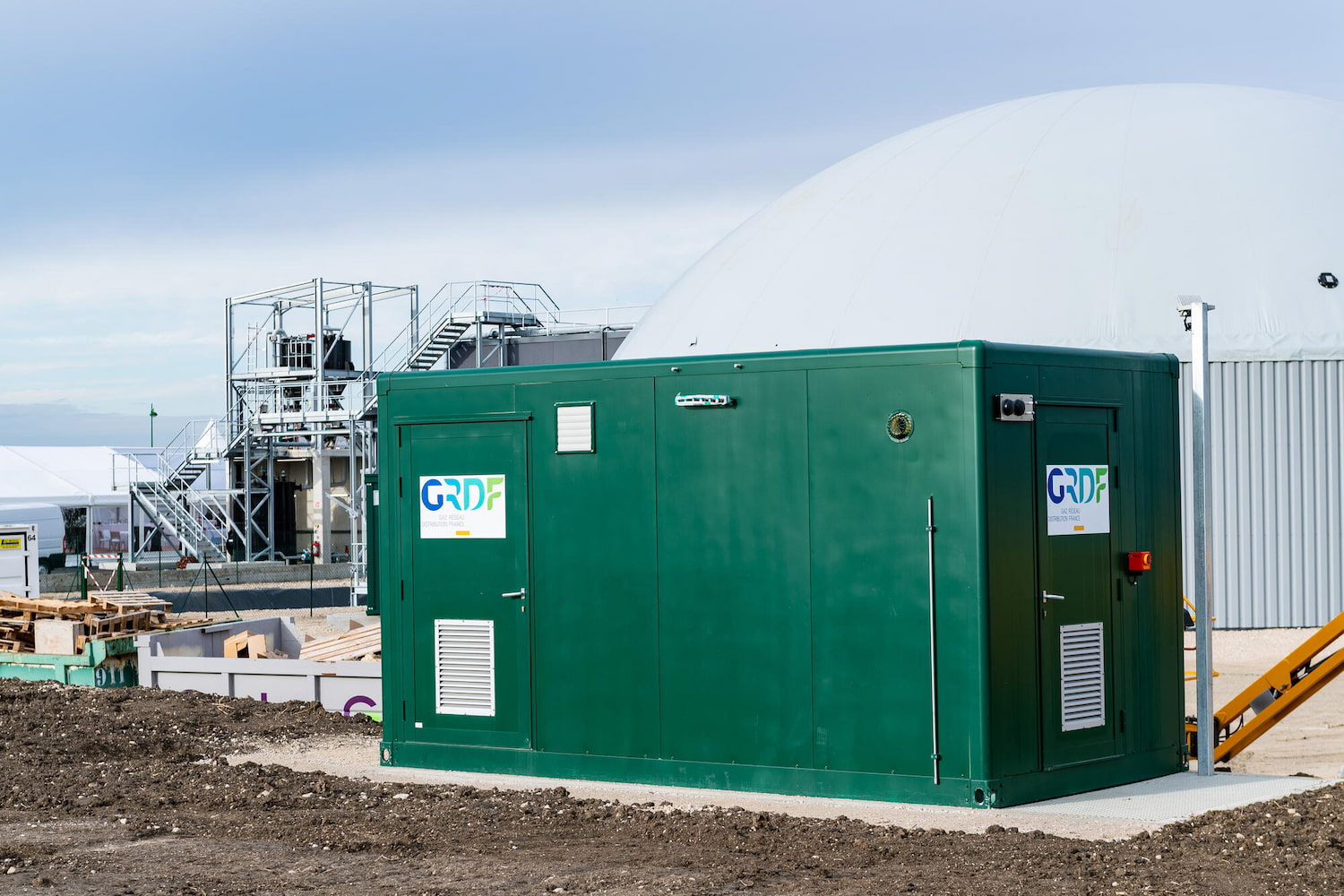
NaTran is adapting its infrastructure to accelerate the integration of renewable gases. More than 800 biomethane injection points are already in operation across French networks, including around one hundred directly connected to the transportation network.
At the same time, NaTran is developing a hydrogen transportation network in line with European energy transition objectives. We are targeting 700 km of hydrogen transportation infrastructure in Europe by 2030, either by converting existing pipelines (MosaHYc project) or by developing future corridors through partnerships (HY-FEN and BarMar-H2MED projects). These investments contribute to the decarbonisation of gas supply.
Reducing the environmental footprint of gas transportation
Gas transportation is being modernized to reduce its environmental footprint while maintaining a high level of performance. Through digitalisation, we aim to reduce methane leaks by 30% by 2030 compared with 2017 levels. This transformation relies on intelligent infrastructure management, real-time digital monitoring systems and the implementation of predictive maintenance across the network.
Discover also
Find instantly answers to your questions
What do you want to do?