

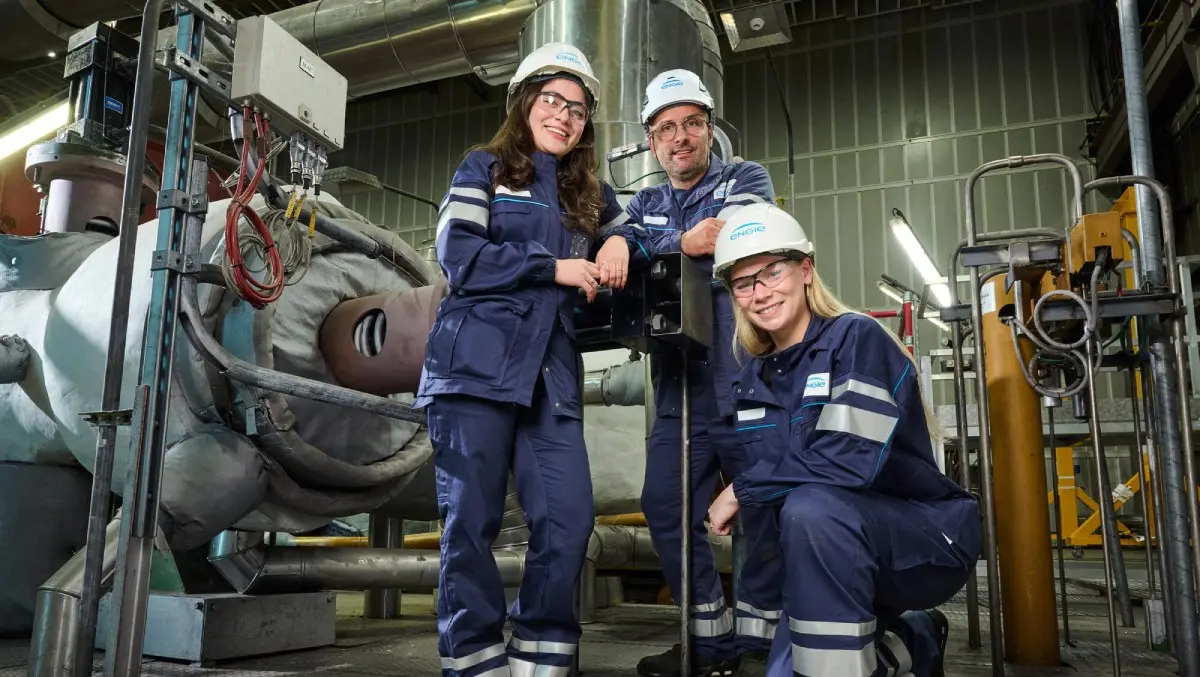



Battery storage for a more resilient power system
To support the electrification of uses and the growing integration of renewable energy, ENGIE is developing battery storage solutions. They contribute to grid flexibility and regional security of supply.
ENGIE develops, operates and builds large-scale battery storage solutions in twelve countries (South Africa, Germany, Australia, Belgium, Chile, the United States, France, Italy, Mexico, the Netherlands, Peru, Romania and the United Kingdom). As of June 30, 2025, our portfolio totals 5.6 GW of storage capacity in operation or under construction. It includes battery energy storage systems (BESS) installed on a stand-alone basis, directly connected to the power grid to enhance system flexibility and stability, as well as co-located batteries installed alongside renewable production or consumption assets to locally optimize energy management and flexibility.
For example, in early 2026, ENGIE secured a hybrid project in India combining 200 megawatts (MW) of solar photovoltaic capacity with a 100 MW / 600 MWh battery energy storage system. This project will make it possible to store and deliver up to six hours of renewable energy, ensuring decarbonised and reliable electricity supply at all times. In Europe in 2025, ENGIE also commissioned its battery energy storage system in Vilvoorde (Belgium), one of the largest on the continent. With a capacity of 200 MW / 800 MWh, it can store and dispatch over four hours the equivalent of the daily electricity consumption of nearly 100,000 households.

Hazelwood Battery Farm, Australia
A powerful flexibility tool
Battery storage contributes to ENGIE’s objective of reaching 95 GW of installed renewable and storage capacity by 2030. We strengthened our position in this technology in 2023 through the acquisition of Broad Reach Power (BRP), a US company specializing in battery storage which, at the time of acquisition, had a portfolio of more than 2 GW, including 350 MW in operation. As renewable energy increases its share in the global power mix, BESS provide essential flexibility for grid reliability. Capable of responding within seconds to system signals and being dispatched several times a day, BESS are a key lever for balancing the energy system at different times of the day.
More efficient and more competitive batteries
Batteries, therefore, play a major role in the range of flexibility tools available to the power system, alongside hydroelectric storage and gas-fired power plants.
Moreover, the continuous decline in battery prices is making this technology increasingly competitive. According to the International Energy Agency (IEA), lithium-ion battery prices fell by approximately 90% between 2010 and 2023, driven by technological progress and economies of scale.
Further innovation in battery chemistries and manufacturing processes is expected to reduce the global average cost of lithium-ion batteries by a further 40% between 2023 and 2030, according to the IEA, while also supporting the market entry of sodium-ion batteries.
At ENGIE, we rely on the mature and proven lithium-ion battery technology to develop our battery storage business (BESS), while closely monitoring technological developments in order to integrate new storage solutions over time.
Growing storage capacity
Featured battery storage projects
-
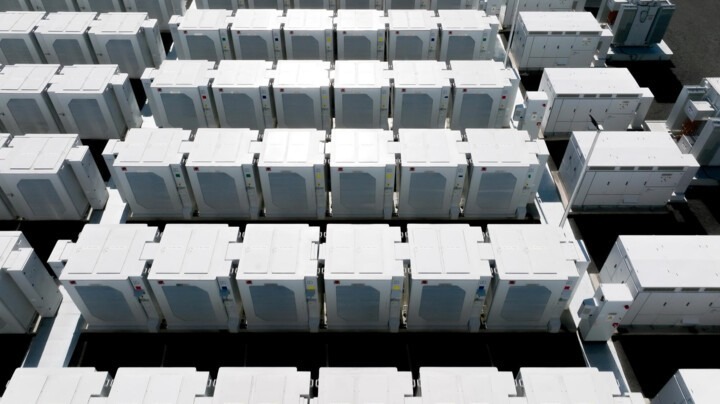
India: First battery energy storage system (BESS) project in India
With a capacity of 280 MW, it is ENGIE’s second-largest BESS project worldwide.
-
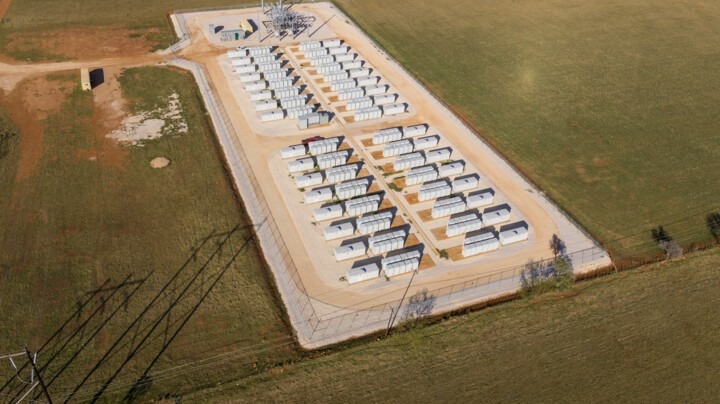
United States: 3.8 GW of battery energy storage systems (BESS) in operation
-
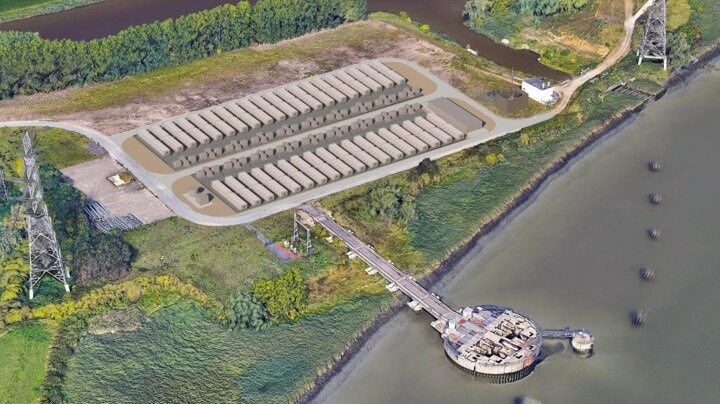
Europe: 500 MW of battery energy storage systems (BESS) capacity installed, under construction and in development


Find instantly answers to your questions
What do you want to do?